Borgo Pignano Wedding Cost 2027: Pricing, Capacity & Complete Guide
2027 exclusive-use prices, food-and-drink minimums and a practical look at the guest stay, outdoor wedding settings and marquee rain plan at Borgo Pignano near Volterra.
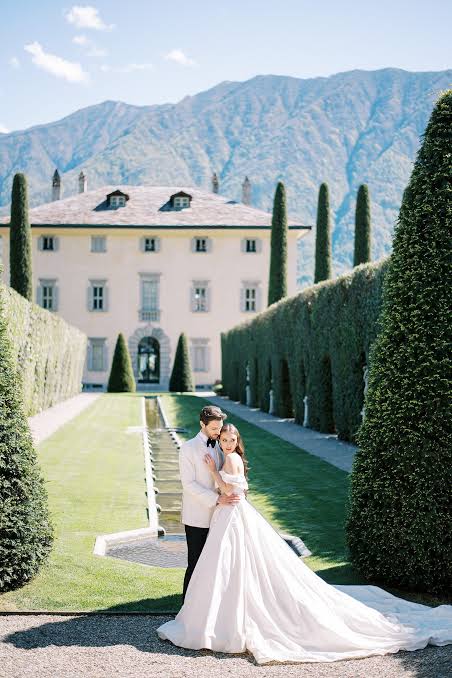

At Borgo Pignano, a wedding weekend unfolds across a historic hamlet, an eighteenth-century main villa and private pool villas in the countryside near Volterra. The estate’s own food production shapes the meals, while the forest, San Bartolomeo church courtyard and Belvedere Terrace give the ceremony and reception quite different settings. The estate accommodates up to 132 adult overnight guests and accepts food-and-beverage events for up to 150 guests.
The financial commitment is substantial. For a two-night wedding in May or October 2027, exclusive use costs €140,000, with a further €70,000 minimum food-and-beverage spend, making €210,000 before wedding production. In June, July and September, those two elements total €260,000. Flowers, entertainment, planning and weather infrastructure sit outside those commitments, and tax inclusions are not specified.
Celebrations are outdoors, with a marquee recommended for wet weather and no published indoor seated wedding capacity. That makes the covered reception part of the design from the outset. The strongest reason to book Pignano is the combination of that countryside setting and a shared estate stay, with much of the wedding group together for more than one evening.
Last updated: September 2026.
Borgo Pignano at a Glance
- Location: Località Pignano 6, near Volterra, Tuscany. This guide covers the Volterra estate, not the separate Florence property.
- Venue type: Country estate with a main villa, historic hamlet, maisonettes and private pool villas
- Exclusivity: The rates below cover full-estate exclusive use; selected villas also offer separately quoted intimate celebrations
- 2027 exclusive-use rates: €50,000–€95,000 per night, depending on month
- Minimum stay: One night in March, April and November; two nights in May through October
- Food-and-beverage minimum: €35,000 for one night; €70,000 for two nights
- Minimum booking commitment: €85,000 for one night in March or November; €210,000 for two nights in May or October; €260,000 for two nights in June, July or September
- Event capacity: Up to 150 for food-and-beverage events; seated capacities are not specified by space or layout
- Accommodation: Up to 132 adults, with additional child beds for under-12s; accommodation is spread across the estate
- Rain plan: Outdoor events with a recommended marquee backup; indoor seated wedding capacity is not published
- Food and drink: In-house wedding menus and bar packages; dinner beverages are extra; corkage is not permitted
- Wedding planner: A planner is recommended for this scale of event; no compulsory-planner requirement is specified
- Music and extensions: €500 per hour for applicable event extensions
- Damage security: €15,000 refundable security, separate from wedding expenses
- Airports: Pisa: about 1 hour 15 minutes–1 hour 35 minutes. Florence: about 1 hour 20 minutes–1 hour 40 minutes by road
- RoamRecs preferred scale: About 100–120 guests for the full-estate model, subject to the seated and weather layouts
- RoamRecs budget example: About €300,000–€430,000 for 120 adults and two nights in May or October, including a marquee allowance
- Main consideration: A high fixed commitment, a marquee-led rain plan and accommodation spread beyond the central hamlet
Prices are for 2027. Budget and transfer times are RoamRecs estimates; the preferred guest count is our recommendation.
The RoamRecs Take
Borgo Pignano’s strongest argument is that the wedding can feel like a shared holiday rather than a beautiful evening everyone commutes to. With accommodation for up to 132 adults, the estate can keep a much larger proportion of a 100- or 120-person wedding together than a private villa with a handful of bedrooms. The buildings give different groups their own space, while meals and celebrations bring everyone back together.
That is the version we would book it for: close family in the main hamlet, friends sharing maisonettes, a Tuscan welcome dinner and a wedding day that moves from trees to stone courtyards to open views. The estate’s grains, kitchen gardens, wine, olive oil and honey give the meals a connection to the place. The setting already has enough character to carry a relatively restrained design.
The pricing is less forgiving. In May and October, the two-night estate rental and food-and-beverage minimum already total €210,000. Reducing the list from 120 to 80 does not reduce either commitment. A smaller wedding can work beautifully, but the full-estate cost is then spread across fewer people, with less of the accommodation in use.
We would start with roughly 100–120 guests for the exclusive-use format. This is our preferred planning range, not a venue limit. It makes good use of the accommodation while leaving some flexibility for household arrangements, single guests and people who would rather not share a villa. The final dinner and marquee layouts still need to work at that guest count.
The principal tradeoffs are the marquee-led rain plan and the distances between some villas and the central hamlet. A floored tent can preserve the feeling of an outdoor Tuscan reception, but it carries a real installation cost. The more secluded villas offer privacy and space in exchange for a transfer after dinner and dancing.
A longer party also has a clear cost. The Classic bar is €120 per person for the required two-hour wedding-day minimum, with each additional hour costing another €50 per person. For 120 adults, another hour of drinks adds €6,000 before any event-extension supplement.
Our verdict: shortlist Pignano for a food-led countryside weekend where the guest stay matters as much as the reception. Look elsewhere for an inexpensive full-estate wedding, accommodation for more adult guests, a ready-made ballroom fallback or unrestricted late-night music. Its value lies in using the whole experience, not simply hiring an outdoor dinner setting.
An intimate wedding is a different conversation. Selected villas can be reserved individually for smaller celebrations, with their own proposals. That is worth exploring instead of assuming every Borgo Pignano wedding requires the full-estate commitment described here.

How Much Does a Borgo Pignano Wedding Cost in 2027?
Exclusive use and the minimum stay
A full-estate booking combines the accommodation buyout with a separate minimum spend on food and beverages. Together they establish the starting commitment before wedding production.
- March and November: Nightly rental €50,000; minimum nights 1; rental for minimum stay €50,000; F&B minimum €35,000; combined minimum €85,000
- April: Nightly rental €60,000; minimum nights 1; rental for minimum stay €60,000; F&B minimum €35,000; combined minimum €95,000
- May and October: Nightly rental €70,000; minimum nights 2; rental for minimum stay €140,000; F&B minimum €70,000; combined minimum €210,000
- August: Nightly rental €85,000; minimum nights 2; rental for minimum stay €170,000; F&B minimum €70,000; combined minimum €240,000
- June, July and September: Nightly rental €95,000; minimum nights 2; rental for minimum stay €190,000; F&B minimum €70,000; combined minimum €260,000
March and November offer a one-night format, as does April. Those lower totals buy a shorter stay than the two-night minimum from May through October. January, February and December have no published wedding tariff. A stay of three nights or more needs its own food-and-beverage proposal because no minimum-spend formula is published for that length of stay.
For a like-for-like two-night comparison, moving from June, July or September to May or October reduces the estate rental by €50,000. Moving from July to August reduces it by €20,000. The two-night food-and-beverage minimum remains €70,000.
How the food-and-beverage minimum works
For budgeting, treat the minimum as the floor under qualifying food-and-drink spending, rather than adding it on top of the full menu bill:
Estate rental + the higher of the food-and-beverage minimum or the qualifying food-and-beverage bill + other wedding costs.
A two-night booking with €65,000 of qualifying food and drink still has a €70,000 minimum commitment. At €90,000 of qualifying spending, the hospitality bill is already above the minimum; another €70,000 is not added. The outstanding detail is which meals, drinks and services count toward the minimum, and how any shortfall is billed.
What is included, and what costs extra
The exclusive-use rate covers the accommodation buyout. Standard estate tables, chairs, cutlery, plates, glassware and place settings are also available without an additional rental charge. That can reduce the amount brought in for the wedding, although bespoke furniture, extra quantities and a different look may require additional rentals.
Food, beverages, the marquee, planning, photography, entertainment and styling are separate budget lines.
Food, Wine and Open-Bar Prices
Food and drink are a major part of the Borgo Pignano budget. The 2027 starting prices are specific enough to build a useful first model, but the wedding dinner price alone captures only part of the reception.
- Welcome pizza party: €110 per person.
- Welcome meat barbecue: €140 per person. Alternative welcome menu
- Welcome “Al Mare” seafood: €160 per person. Alternative welcome menu
- Pre-nuptial aperitif: €90 per person. Canapés and an aperitif drinks selection
- Wedding meal: €190 per person. Dinner wine and other beverages are additional
- Children’s wedding menu: €50 per child. For children through age 11
- Wedding cake: €75 per kilogram. Allow 100–150 grams per guest at the starting rate
- Dessert buffet: €35 per person. Separate from the cake
- Farewell brunch: Separately quoted. Offered as an alternative to the first-day open bar in the suggested event sequence
The cake allowance works out to €7.50–€11.25 per guest at the starting rate. For 120 guests, that is 12–18 kilograms and €900–€1,350. A dessert buffet for the same group starts at a further €4,200. Choosing both is a menu decision, not an automatic inclusion in the €190 dinner.
The aperitif includes its drinks selection; dinner wines and other dinner beverages are extra. Estate and regional labels are available, with special wines on request. Corkage is not permitted, so bringing your own bottles is not a standard way to reduce the bill.
Open-bar pricing is hourly, per person
- First hour: Classic €70 per person; Premium €80 per person
- Each additional hour: Classic €50 per person; Premium €55 per person
- Two hours, the required minimum: Classic €120 per person; Premium €135 per person
- Three hours: Classic €170 per person; Premium €190 per person
- Four hours: Classic €220 per person; Premium €245 per person
Multi-hour totals are calculated from the 2027 first-hour and additional-hour rates.
For 120 adults, two hours of Classic bar is €14,400, versus €16,200 for Premium. Extending Classic from two to three hours adds €6,000, before any applicable event-extension supplement. These calculations charge all 120 adults; rates for children, non-drinkers and guests attending only part of the event are not specified.
There is also a €500-per-hour event-extension charge under the timing rules explained later. It is not a replacement for the per-person bar bill.
What a 120-Person Food-and-Drink Plan Adds Up To
Consider a two-night wedding for 120 adults, including the couple, with a pizza welcome dinner and a wedding-day aperitif, meal, cake and two-hour Classic bar. This is a calculation using starting prices, not a complete catering quote.
- Welcome pizza party: 120 × €110 = €13,200
- Wedding aperitif: 120 × €90 = €10,800
- Wedding dinner: 120 × €190 = €22,800
- Two-hour Classic bar: 120 × €120 = €14,400
- Cake at 150 grams per adult: 18 kg × €75 = €1,350
- Calculated menu subtotal: €521.25 per adult × 120 = €62,550
- Two-night minimum: Required minimum spend, €70,000
- Difference still to reach the minimum: €70,000 – €62,550 = €7,450
Dinner wine, additional welcome-night drinks, brunch and menu upgrades are not included in this subtotal. Qualifying charges for those items would contribute toward the remaining €7,450, then increase the bill once total spending exceeds €70,000. The minimum is therefore a useful starting floor, not a complete menu for the weekend.
At 150 adults, the same starting-price selection comes to €78,187, already above the minimum before dinner beverages and other additions. That explains why the food-and-drink budget in a larger wedding should not stop at €70,000 simply because that is the mandatory floor.
Where the budget can move most
Bar duration is one of the clearest levers. A fourth hour of Classic bar for 120 adults adds another €6,000. Upgrading from a two-hour Classic bar to a two-hour Premium bar adds €1,800. Whether those changes increase the final bill depends partly on where the qualifying spend already sits relative to the minimum.
The welcome event is another. Moving 120 adults from the €110 pizza proposal to the €160 seafood proposal adds €6,000 at starting prices, before any difference in beverages. A more elaborate welcome dinner may be worth it, but it is not a negligible change simply because it happens before the wedding day.
Make use of the included furniture
The standard estate tables, chairs and place settings can keep the rentals bill focused on upgrades, shortages and specialist pieces rather than an entirely new furniture order.
It helps to view the budget in three parts: the estate commitment, the chosen food-and-drink programme and the production that brings the wedding together. Those distinctions make it easier to decide whether a longer bar, a different welcome dinner or a more elaborate reception design is worth the additional spend.
Estimated Total Wedding Budget
A two-night, 120-adult wedding in May or October
For this version of Borgo Pignano, we would begin with approximately €300,000–€430,000, subject to the exclusions below.
RoamRecs planning estimate, not a venue or vendor quote.
The 2027 model is for 120 adults, including the couple, attending the wedding and staying two nights within the estate buyout. A workable room allocation is assumed. The couple funds the buyout, a welcome gathering, the wedding, a modest farewell meal, professional suppliers and local guest transport. The model includes a marquee with flooring and weather infrastructure, and uses the estate’s standard event inventory where suitable.
- Two-night May/October exclusive-use rental: €140,000
- Food and beverages across the planned events: €70,000–€95,000
- Planning and on-site coordination: €12,000–€22,000
- Photography and videography: €10,000–€18,000
- Flowers and décor: €10,000–€25,000
- Furniture upgrades, lighting and sound production: €12,000–€25,000
- Marquee, flooring and weather infrastructure: €20,000–€40,000
- Music, entertainment and licensing: €5,000–€12,000
- Local guest transport: €3,000–€7,000
- Ceremony, beauty and stationery: €4,000–€9,000
- Event extensions and operating allowance: €1,000–€3,000
- Subtotal before contingency: €287,000–€396,000
- Contingency: 10% of non-buyout costs: €14,700–€25,600
- Calculated model total: €301,700–€421,600
The buyout and minimum food-and-beverage commitment are venue prices. All other allowances, including hospitality spending above the minimum, are RoamRecs estimates. The marquee allowance covers a planning specification, not an estate tent package; the actual structure, installation and weather protection determine its price.
Exclusions: taxes not established as included; tourist tax; off-estate guest rooms; flights and airport transfers; attire, rings and honeymoon; additional nights; routine resident meals or activities beyond the modelled events; and any separately charged mandatory items not identified in the final proposal. Exceptionally elaborate structures, major entertainment acts and extensive decorative builds can exceed these allowances. The €15,000 refundable damage security is additional money to have available, but is not counted as a wedding expense in this model.
The same model in other months
- May or October: Calculated total, changing only rental, €301,700–€421,600; published planning range €300,000–€430,000
- August: Calculated total, changing only rental, €331,700–€451,600; published planning range €330,000–€460,000
- June, July or September: Calculated total, changing only rental, €351,700–€471,600; published planning range €350,000–€480,000
These comparisons hold the rest of the wedding constant. October may need different weather equipment from August. Room contributions from guests would reduce the couple’s net outlay, not the gross cost of the wedding, and no such contributions have been deducted here.
Deposits, Payments and Cancellation
The accommodation bill is paid in full before arrival. Fifty percent is due within 14 days of written confirmation, with the remaining 50% due 90 days before arrival. The provisional food-and-beverage bill is then payable in full no later than 21 days before the event. Final settlement takes place at departure.
For a two-night May or October booking, the basic cash-flow illustration is:
- Within 14 days of written confirmation: €70,000, half of the €140,000 accommodation rental
- 90 days before arrival: €70,000, the remaining accommodation balance
- No later than 21 days before the event: At least €70,000 for food and beverages, or the higher provisional bill
- On arrival: €15,000 damage security, separate from the booking costs
- At departure: Final settlement of remaining charges
The same accommodation instalments become €95,000 each for a two-night June, July or September booking. Supplier payments are separate, so the estate’s timetable is only part of the cash needed before the wedding.
Damage security
The required damage deposit is €15,000, provided on arrival with a valid credit card and reimbursable at the event’s conclusion. It is separate from the advance payments for accommodation and food. Whether it is collected as a charge or card hold, the deduction terms and bank-release timing are not specified.
Cancellation terms
The cancellation schedule retains 50% of the “booking deposit” from agreement to 90 days before arrival, 75% of the “booking deposit” from 89 to 31 days, and the full deposit within the final 30 days. Partial cancellations are treated proportionately. Failure to pay the accommodation balance by its deadline also triggers cancellation and a penalty of 50% of the “booking deposit”.
Capacity, Event Spaces and the Wedding-Day Flow
Borgo Pignano accepts up to 150 guests for food-and-beverage events. The number of guests who fit comfortably for dinner depends on the chosen setting and layout.
- Forest: A ceremony with the landscape doing much of the decorative work. Outdoor
- San Bartolomeo church courtyard: Vows in the historic hamlet, with stone architecture as the backdrop. Church-interior arrangements are separate.
- Belvedere Terrace: Al fresco wedding dinner overlooking the countryside.
- Other approved estate areas: Welcome gatherings, drinks and transitions between the main moments. Locations and capacities depend on the agreed event plan
- Marquee: Covered dinner and, with the right layout, other stages of the wet-weather day
- Individual private villas: Smaller celebrations under a separate proposal. Prices and event capacities are specific to the villa booking
How we would arrange the day
For around 100–120 guests, we would let each setting have a distinct role. A forest ceremony provides a quieter beginning. The historic hamlet can then change the mood for aperitivo before everyone gathers for dinner overlooking the countryside. Alternatively, vows in the church courtyard keep the architecture central to the day. The Belvedere Terrace is the natural dinner setting to investigate first.
This is one way we would arrange the day, rather than a fixed package itinerary. The routes between settings should be comfortable for the whole group, including guests in heels and relatives with limited mobility. Proximity on a site plan does not tell you how an outdoor route feels after dark or in wet weather.
Dinner needs more space than the tables alone. Bars, service lanes, a band or DJ, speeches and the dance floor all compete for room. A 120-person plan with a large stage may be more demanding than a simpler dinner for a slightly larger group. We would judge the layout by guest comfort and service, not by whether another chair can technically be added.


What Is the Rain Plan at Borgo Pignano?
Plan this as an outdoor wedding with a marquee backup. Borgo Pignano recommends a marquee for adverse weather.
A covered reception can retain the countryside atmosphere that makes Pignano appealing. The tradeoff is that the structure has to be designed and hired, rather than simply opening the doors to another reception room.
The whole day needs a covered version
The rain plan needs to work from ceremony through drinks, dinner and dancing. If the dinner tables are already set inside the marquee, the ceremony and aperitivo need either their own covered area or a layout that allows the space to serve more than one purpose. A changeover also needs somewhere comfortable for guests to gather while it happens.
Flooring makes a substantial difference to guest comfort. Even after rain stops, wet ground can be difficult for dining chairs, shoes and service. Side protection, drainage, lighting and the routes to bathrooms matter too. Cooler months may need heating and protected transitions; in hot weather, an enclosed transparent structure can be uncomfortable for the opposite reason.
One past wedding used a floored stretch-tent reception beside the main villa, with round tables under a low white canopy. It provides a useful visual reference for a reception that still feels connected to the estate. The structure was part of that wedding’s production, not a standard included venue facility.
Seating, atmosphere and cost
A marquee layout should leave room for the tables, bars, service and entertainment, not just the chairs. Poles can affect sightlines, and a dance floor retained throughout dinner takes more space than one created afterward. These choices determine both the feel of the reception and the size of structure required.
For the 120-adult budget model, RoamRecs allows €20,000–€40,000 for a marquee, flooring and weather infrastructure. This is a planning estimate, not a venue or vendor quote. The approved site and final specification determine the cost; a complex installation can exceed the allowance.
The deciding question is whether you would still look forward to the wedding in its covered form. Pignano makes sense for couples comfortable making a marquee part of the celebration. A couple who would strongly prefer a permanent indoor reception room has a real reason to choose another venue.
Accommodation: Who Can Stay on the Estate?
Borgo Pignano accommodates up to 132 adults, with additional beds available for children under 12.
The accommodation is varied. That is part of its appeal for a wedding, but it requires more thought than assigning identical rooms along a hotel corridor.
- Main Villa: Twelve rooms and suites in the eighteenth-century main house, the most obvious starting point for guests who want to be close to the centre of the stay
- Suite Sant’Antonio and La Canonica accommodation: Historic-hamlet accommodation; the wedding inventory identifies the suite and a La Canonica maisonette, with the latter described as two-bedroom
- Ten other maisonettes: Apartment-style stays in and around the landscaped hamlet, useful for couples and family groups
- Nine private pool villas: More space and privacy, with the important tradeoff that some villas are farther from the main gathering areas
Staying on the estate does not always mean walking home
The villa collection includes Il Poggio and Il Poggiarello about 1.5 kilometres from the central borgo, and Villa Cusignano about 4 kilometres away. A private pool and a quieter setting may suit a family well, but these villas involve a transfer after the celebrations rather than a short walk home.
The named buildings included in the 2027 buyout, their beds and bathrooms, and the return transport are important parts of the room allocation. A total of 132 adult places leaves plenty of possible arrangements, but not every combination of couples, families and single guests will use them equally well.
The right room allocation matters more than filling every bed
We would prioritise the central hamlet for older relatives and anyone likely to return to their room during the wedding, while checking the actual access for guests with mobility needs. Larger villas may suit families or established friend groups who are comfortable sharing. For preparations, the useful room is the one with good light, working space and a convenient route to the ceremony, rather than necessarily the most expensive suite.
For 120 adult guests, the headline inventory is sufficient in principle, with 12 places of theoretical headroom. It is not a guarantee that every preferred household arrangement fits.
Agree any room contributions before guests commit to the stay, with clear room types, dates and payment arrangements. The budget above shows the full wedding cost before any such contributions.


Where Other Guests Should Stay
For guests outside the estate allocation, we would look first at Volterra and the countryside toward San Gimignano. The aim is one or two sensible collection points, not a dozen scattered farmhouses with different late-night pickup arrangements.
Hotel San Lino, Volterra
A useful town-based option for guests who would like restaurants and sightseeing around their stay. The hotel is inside Volterra’s walls and has a courtyard pool; parking is available by arrangement. Allow roughly 20–30 minutes by car to Borgo Pignano as a RoamRecs planning estimate. For a group shuttle, agree the collection point with the hotel and driver rather than assuming a coach can stop directly outside.
Casolare Le Terre Rosse, near San Gimignano
A countryside alternative in San Donato, with hotel rooms, apartments, a pool, grounds and a restaurant. It makes sense for families or guests who prefer a rural base to a town centre. Allow roughly 15–25 minutes by car to the estate as a RoamRecs planning estimate, depending on the route and pickup point.
Florence is better before or after the wedding
Florence works well as part of a longer Italian trip. We would not make it the default base for guests attending a welcome dinner, wedding and farewell gathering at Pignano. The repeated transfers take time away from the stay and make departures more rigid.
Getting There and Transportation
Borgo Pignano is reached by road from Florence or Pisa. Its rural position is part of the appeal, but the last stage of the journey should be planned rather than left to arriving guests.
- Florence Airport, FLR: About 1 hour 20 minutes–1 hour 40 minutes
- Pisa Airport, PSA: About 1 hour 15 minutes–1 hour 35 minutes
- Florence Santa Maria Novella / central Florence: About 1 hour 20 minutes–1 hour 45 minutes
- Volterra: About 20–30 minutes
- San Gimignano: About 25–35 minutes
Florence Santa Maria Novella is a useful arrival point for guests combining the wedding with a rail journey. They still need a car or arranged transfer to the estate. For wedding-only visitors staying at Pignano, a rental car is not essential if arrival, departure and any villa-to-hamlet journeys are organised. Independent sightseeing is a different brief.
The estate’s complimentary Volterra sightseeing shuttle takes seven passengers and requires advance booking. It is useful for a small outing, not transport for the wedding group. Dedicated event shuttles should include an earlier departure and a final return, including journeys to the more distant villas. Suitable vehicle sizes and loading arrangements need to be agreed with the estate and operator.
Catering, Vendors and the Party
In-house food and wine
The standard wedding offering is built around Borgo Pignano’s own menus, wines and bar packages. The organic food production is a genuine part of the proposition: grains for bread and pasta, kitchen-garden produce, honey, olive oil and estate wines all feature in its hospitality.
This is an in-house catering proposition, with a €70,000 minimum food-and-beverage spend for two nights. Couples committed to a particular chef or specialist menu need an agreement with the estate, alongside their dietary and service requirements.
Corkage is not permitted. Special wine requests are handled through the estate rather than a standard bring-your-own arrangement.
Planning and creative suppliers
The estate can work with a wedding planner, help source additional items locally and make introductions for photography, hair, makeup and babysitting. No compulsory-planner requirement or unrestricted external-vendor policy is specified. These services need their own scope and pricing.
For this scale of wedding, we would budget for an experienced planner and an on-site coordination team. Their value is in bringing the hospitality, suppliers, guest movements and weather plan together, leaving the couple free to enjoy the stay. Venue hospitality and independent wedding coordination are different responsibilities.
The estate’s standard furniture is a useful starting point for the design. Draping, specialist lighting, stages, sound systems and the weather structure remain separate production choices, as do any furniture upgrades.
Music, bar service and late-night timing
The standard timing allowance is an estimated six hours. An additional €500 per hour applies to an extension, and the hourly supplement applies after midnight even if the celebration has not yet lasted six hours.
The agreement also needs to explain how the six-hour and after-midnight rules overlap, so the same hour is not budgeted twice merely because both conditions apply.

Ceremony Options and Accessibility
Symbolic ceremony
The forest and San Bartolomeo church courtyard offer two distinct settings for vows. Woodland feels more secluded, while the courtyard brings the historic buildings into the ceremony. The latter is an outdoor ceremony setting, separate from a service inside the church.
A symbolic ceremony keeps the wedding-day location separate from the legal formalities. For many destination couples, that is the simplest way to choose the setting they love without making the entire event depend on a particular registrar or church arrangement.
Accessibility is about the route, not one facility
For guests with limited mobility, the important question is how the complete day works: the route from the allocated bedroom to the ceremony, drinks, dinner, bathrooms and return transport. Steps, gradients, outdoor surfaces and wet-weather routes matter more than a general description of the property as accessible.
Central accommodation may reduce journeys, but the specific room and approach still need to suit the guest. For a forest ceremony, suitable seating and a comfortable arrival route are as important as the view. Anyone unable to walk between the settings needs a booked transport arrangement rather than an assumed spare buggy.
Best Time of Year for a Borgo Pignano Wedding
Late May would be our first choice to explore. It combines a lower two-night rental than June or September with a more appealing balance of outdoor time, length of stay and price than the one-night March or November format. The marquee remains part of the plan.
The regional pattern is hotter, generally drier midsummer weather and cooler, wetter conditions later in autumn. For an outdoor-event estate, that affects comfort and production as well as the photographs. Cooler dates can call for more shelter and heating; midsummer calls for shade and later ceremony timings.
- March and November: Lowest published nightly rental and a one-night minimum. A shorter celebration where covered comfort, heating and the cost of setup relative to the length of stay deserve particular attention.
- April: One-night minimum at €60,000. A meaningful option when the shorter commitment is attractive, but weather comfort and covered-event costs remain central.
- May: Two nights at €140,000 before the €70,000 food-and-beverage minimum. Our preferred starting point for balancing the full-estate format and price.
- June: Premium €190,000 two-night rental. Attractive for a wedding built around time outdoors and a long evening, with shade and a complete rain plan still necessary.
- July and August: Plan for heat, later outdoor timings, water and shade. August’s two-night rental is €20,000 lower than July’s.
- September: The same €190,000 two-night rental as June and July, not a discounted shoulder-season month. Earlier sunset should influence the ceremony and photographs.
- October: The rental falls to €140,000 for two nights. Cooler evenings and autumn weather make flooring, shelter and any heating more consequential.
Building the Wedding Weekend
For a two-night stay, the natural format is an arrival-day welcome gathering, the wedding on the following day and a farewell meal before departure. That gives the estate a purpose beyond the ceremony and reception without assuming a third night is included.
The welcome dinner can be informal without feeling like an afterthought. A pizza party or barbecue suits the countryside setting and leaves the more structured meal for the wedding day. A farewell brunch is separately priced and offered as an alternative to the first-day open bar in the suggested programme.
Leave some of the stay unprogrammed. Cooking, art, riding, wine tasting, spa treatments and children’s activities are among the available experiences, but they require their own booking and may add costs. A pool afternoon and time for family to settle in can be more valuable than moving everyone through a sequence of paid excursions.
A one-night booking compresses arrivals, preparations and departures around the wedding. Guests flying internationally may be more comfortable spending an earlier night nearby rather than travelling straight into the celebration. Marquee installation and wedding preparations can also require access beyond the guest stay, which needs to be included in the proposal.
Similar Tuscany Wedding Venues to Compare
Borgo Santo Pietro: a smaller boutique-resort wedding
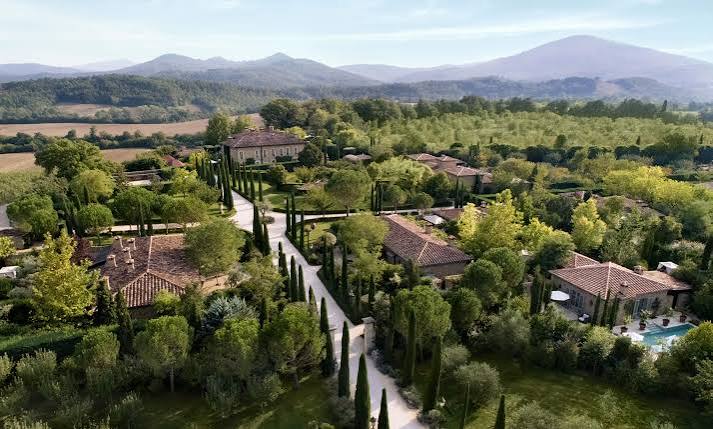
Borgo Santo Pietro combines hospitality, gardens, food and a resort stay, with 22 rooms and suites and celebrations of up to 100 guests. It is a smaller wedding proposition than Pignano, worth comparing for a guest list below 100 where the hotel experience matters more than accommodating a large group across an estate. The relevant tradeoff is scale and room allocation, not simply the number of outdoor settings.
Villa La Selva: a more compact wine-estate gathering
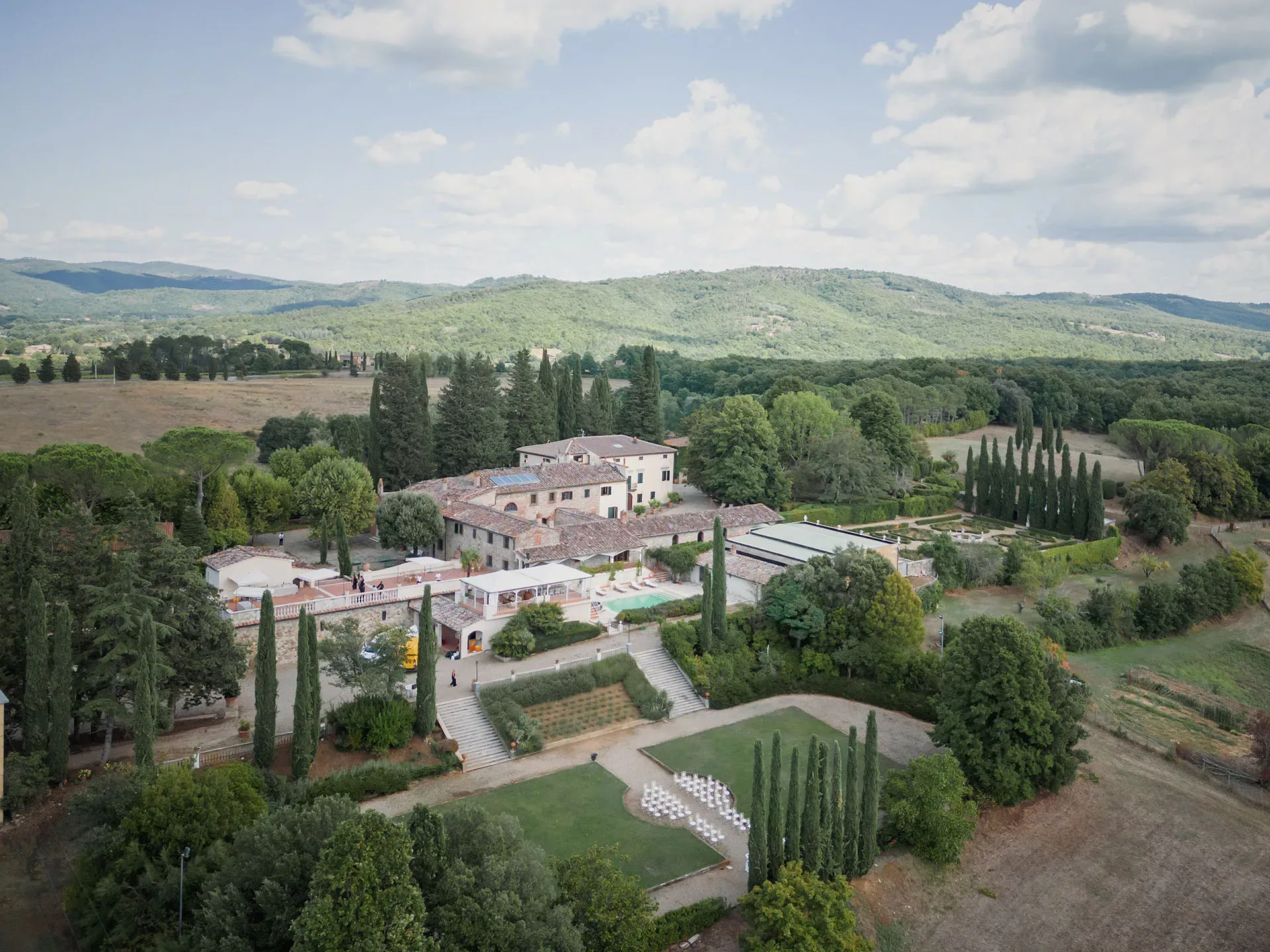
Villa La Selva offers a working wine estate and accommodation for up to 50 guests, a much smaller inventory than Pignano. It is worth comparing when keeping a close family group together matters more than housing most of a 100–120-person wedding. At that larger wedding size, more guests would stay elsewhere, so its smaller residential scale comes with a different transport plan.
Villa Cetinale: historic gardens and a private-house atmosphere
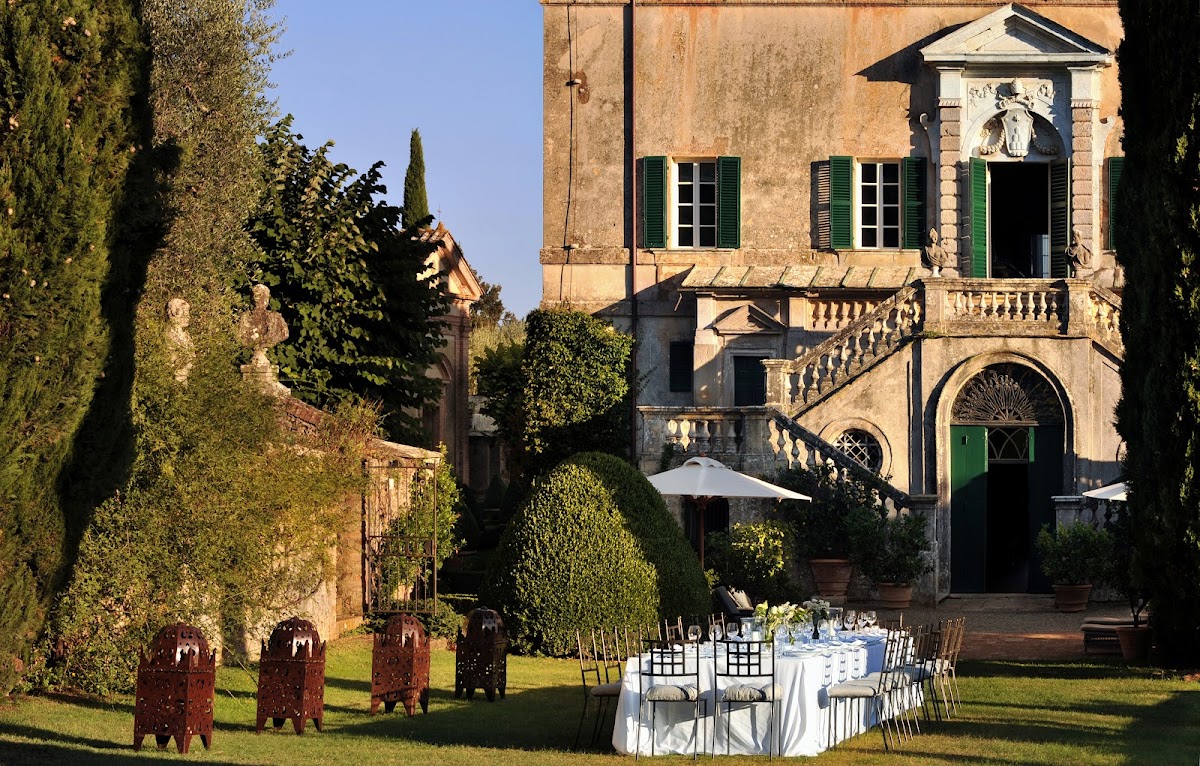
Villa Cetinale offers a different kind of estate stay, with landmark gardens, a 100-person wedding maximum and 48 sleeping places across four properties. It is the more natural comparison when the private-house experience and the gardens are the main attraction. Pignano’s larger accommodation inventory is a material advantage for a wedding of around 100–120 guests; Cetinale is not the alternative for increasing the guest list.
Still Comparing Tuscany Wedding Venues?
Explore the RoamRecs Tuscany wedding venue guides and collection to compare private villas, country estates and resort buyouts by minimum stay, total commitment, sleeping capacity and rain-plan quality. For Borgo Pignano, the most revealing comparison is the complete weekend, including food and drink and the covered reception, rather than the nightly rental alone.
Save the “Ultimate Tuscany Wedding Venue Guide” collection
Add every place in this collection to your RoamRecs in one tap.
More venues near Borgo Pignano
93 venues in Città della Pieve
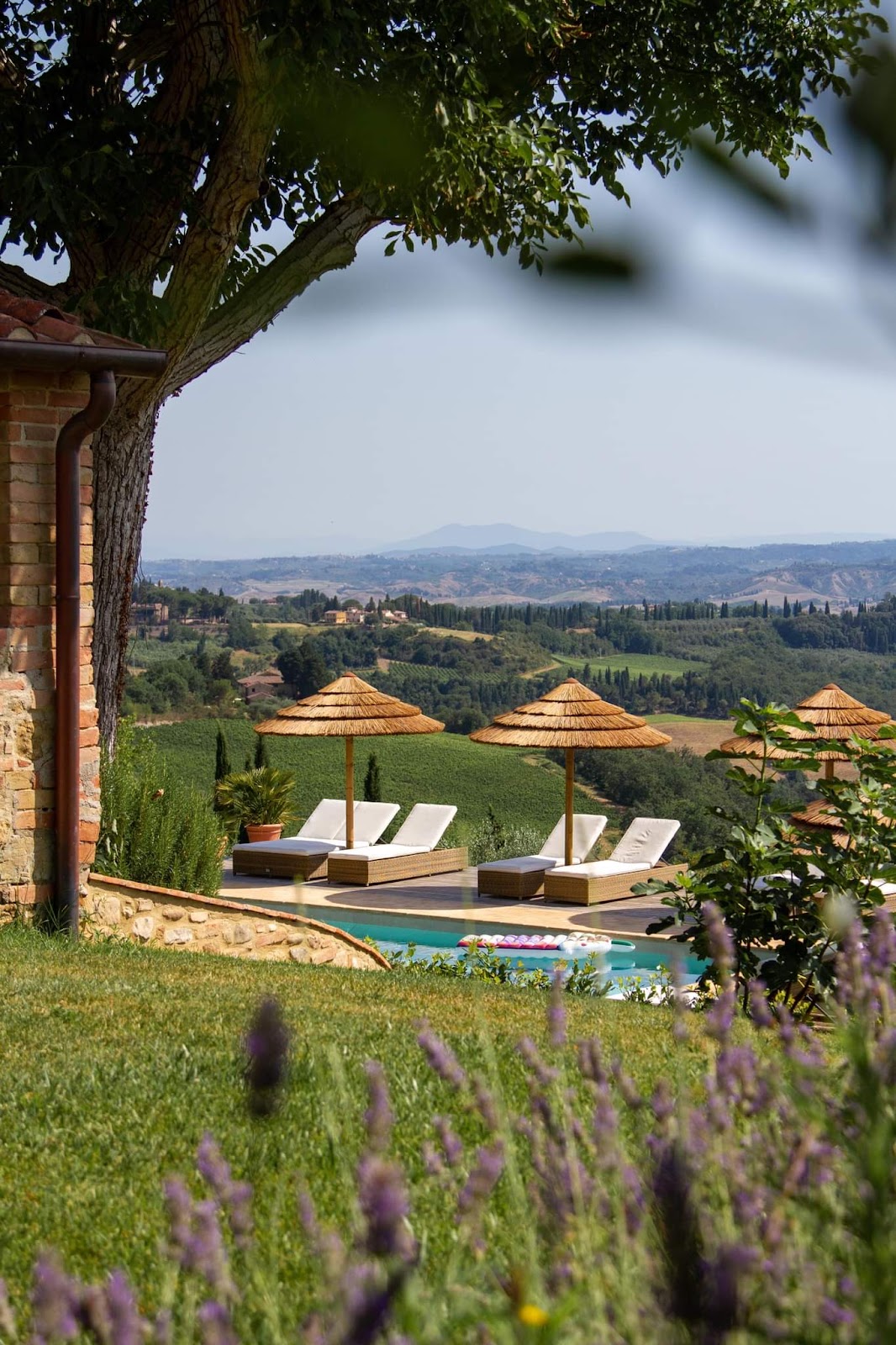
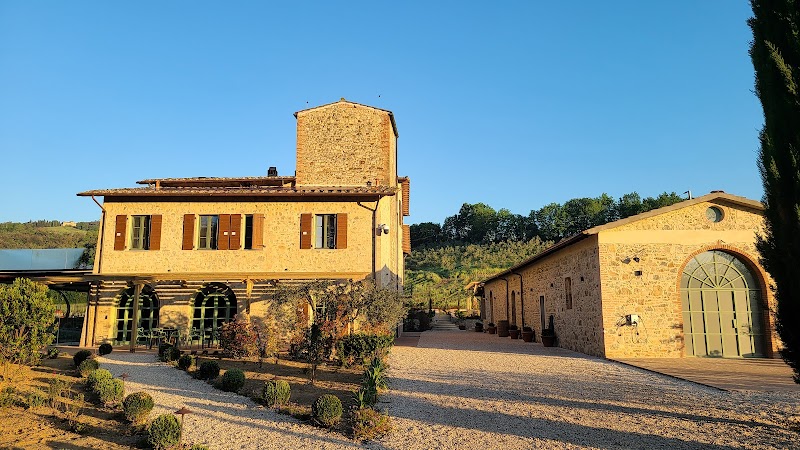
La Torre sulla via Francigena
Localita' San, Via Santa Maria a Chianni, 79, 50050 Gambassi Terme FI, Italy
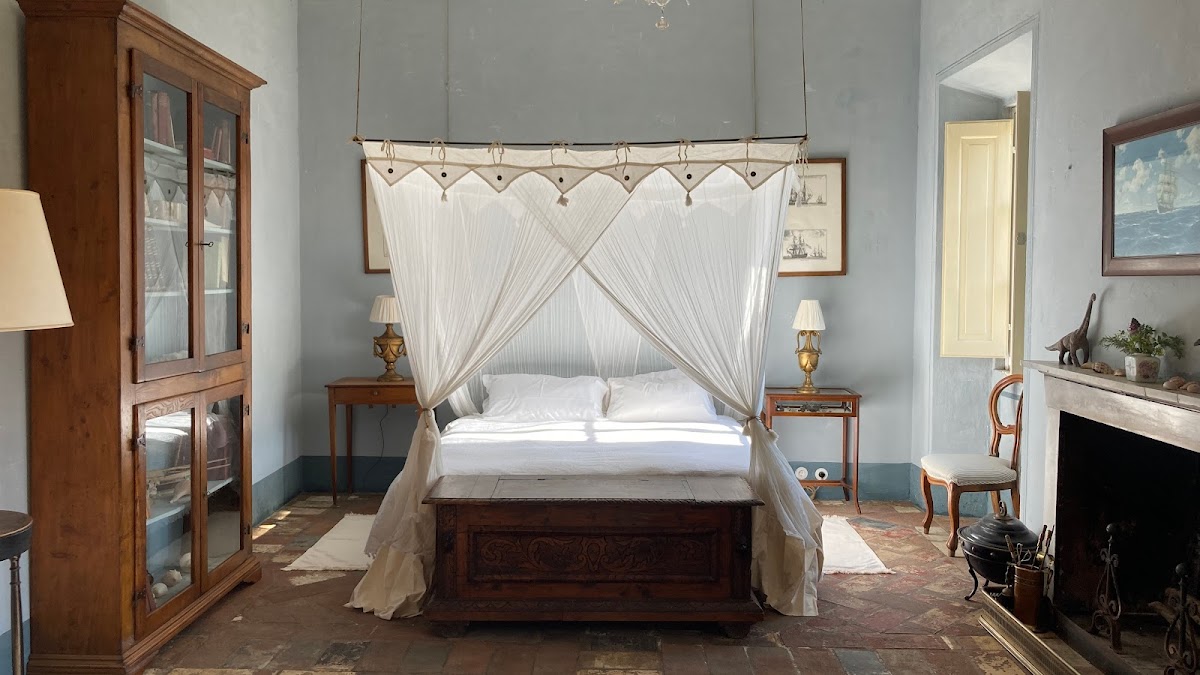
Villa Pozzolo; exclusive Weddings & Family holidays. In Artist villa - all inclusive
Via di, Via Pozzolo, 12, 50050 Florence FI, Italy

Frequently asked questions
How much does a Borgo Pignano wedding cost in 2027?
Is the €70,000 food-and-beverage minimum added on top of the menus?
How many wedding guests can Borgo Pignano accommodate?
How many people can stay on the estate?
What happens if it rains?
Do you have to book the entire estate?
Is there a minimum stay?
What does a wedding dinner cost?
How much is the open bar?
Can you bring your own wine?
What time does the party end?
Can you legally marry on the estate?
What is the damage deposit?
Related guides
Best Tuscany Wedding Venues (2026): Pricing, Costs & How to Choose the Perfect Venue
Borgo Santo Pietro Wedding Guide (2026): Pricing, Capacity & Everything to Know
Villa La Selva Wedding Guide (2027): Pricing, Capacity & Everything to Know
Villa Cetinale Wedding Cost (2026): Pricing, Capacity & Everything to Know
La Foce Wedding Guide (2027): Pricing, Capacity & Everything to Know
Castiglion del Bosco Wedding Guide (2027): Pricing & Capacity
About the creator
RoamRecs Weddings researches destination wedding venues around the world, comparing current pricing, guest capacity, accommodation, rain plans and booking requirements to help couples understand what venues actually cost and how they work.
View profile →