Castello di Celsa Wedding Guide (2028): Pricing & Capacity
A private castle near Siena for a short family stay and a larger garden wedding, with separate event and accommodation charges.
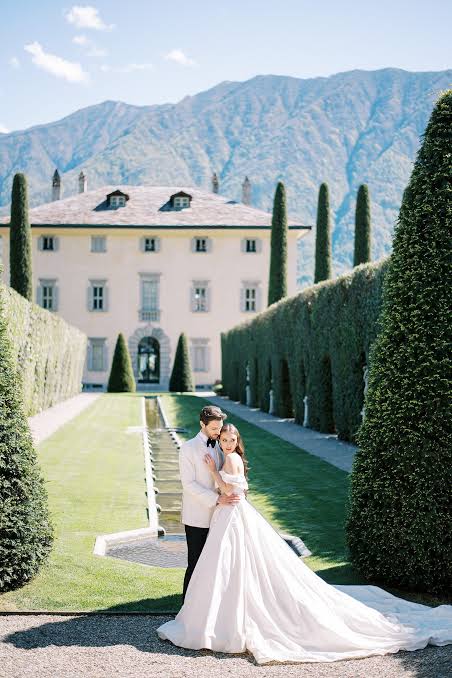

Castello di Celsa is for couples who want the wedding to feel like an occasion at a private Tuscan home, rather than an event inside a hotel. Its towers, circular Renaissance chapel and carefully composed gardens give the day a strong sense of place. The property lies west of Siena, with countryside views and several distinct settings for the ceremony and reception.
For 2028, the wedding-day charge is €12,000 when booked with accommodation, which costs extra and carries a two-night minimum. Renting both the castle and Villa Limonaia for those two nights brings the combined venue-and-stay cost to €23,400, before catering, production and other additions. A wedding without accommodation costs €14,000 and is available only on Tuesday, Wednesday or Thursday. Weekends require accommodation.
Celsa hosts up to 120 people under its 2028 terms, while 22 can stay on the estate, or 24 with two paid extra beds. Most guests therefore stay nearby, with the castle and Villa Limonaia providing a more intimate base for the couple and close family.
Castello di Celsa at a Glance
- Location: SP 101 di Montemaggio 20, Sovicille, west of Siena, Tuscany
- Venue type: Private historic castle and garden estate, not a conventional hotel
- Pricing year: 2028
- Wedding with accommodation: €12,000 wedding-day fee, plus separately charged accommodation
- Two-night, both-building example: €23,400 for one wedding and two nights in the castle and Villa Limonaia; calculated subtotal before catering, production and any added tax
- Wedding without accommodation: €14,000; Tuesday, Wednesday or Thursday only
- Minimum stay: Two nights when accommodation is booked; accommodation is mandatory for weekends
- Exclusivity: Exclusive use of the agreed event areas; residential interiors are for overnight guests
- Wedding guest limit: Up to 120 under the 2028 offer
- Indoor seated capacity: The Granary, with two halls beneath a timber-trussed roof and a loggia overlooking the countryside.
- On-site accommodation: Castle: 12. Villa Limonaia: 10. Total: 22, or 24 with two extra beds in Limonaia
- Extra events: €3,500 listed fee; an additional-event discount needs clarification
- Event access: 9 a.m. to 2 a.m. the following morning; extra agreed hours €350 each
- Music cutoff: 2 a.m. is the standard event-access end
- Catering: External catering; food, event furniture and tableware are not included
- Wedding planner: RoamRecs recommends a planning and coordination team
- Civil ceremonies: Authorized private location in Sovicille; municipal booking is separate
- Airport to consider first: Florence (FLR), about 1 hour 20 minutes–1 hour 45 minutes by road
- Defining restriction: No food or drink service in the Italian garden
- RoamRecs preferred scale: Roughly 60–100 guests, with a small resident group and most guests staying nearby; not an indoor capacity figure
- RoamRecs budget example: Approximately €90,000–€145,000 for 100 people, one wedding and two nights in both buildings, with the exclusions below
The RoamRecs Take
Celsa's appeal is the combination of a very distinctive setting and a relatively short residential commitment. You can have a castle wedding with close family staying on the property without automatically paying for an entire week. That makes it worth considering for couples who love the private-estate idea but do not want the wedding to become a seven-night house party.
The small accommodation inventory is part of the experience, not just a limitation. With 22 people in the standard arrangement, the castle and Limonaia can become a base for the couple, immediate family and a few close friends. Everyone else joins for the celebration. That suits a wedding where the wider group enjoys Siena or a nearby country hotel between events, rather than spending the whole weekend together on one estate.
The gardens give Celsa much of its identity. This is not simply a large lawn behind a handsome building. The chapel, formal garden, courtyard and wooded grounds offer different moods, so the day can move from one setting to another without losing its sense of being in one place. The most successful design would work with that existing architecture rather than cover it with a large production build.
The gardens also shape the wedding in a less obvious way: food and drink cannot be served in the Italian garden. A ceremony there followed by aperitivo elsewhere can give the day a natural progression, but dinner and the bar belong in another setting. The Granary provides an indoor alternative. The appeal of the outdoor wedding needs to be matched by a covered arrangement you would enjoy just as much.
Our preferred scale is around 60–100 people: a substantial celebration with room below the 120-person event ceiling. This is a recommendation about the overall experience. At 101–120, the indoor layout and the possible cost of a marquee become particularly important to the choice.
Celsa is less suited to couples who want everyone sleeping on-site, a fully bundled catering package, unrestricted access to all the castle interiors, or a guaranteed late outdoor party. It also is not the obvious economy option for a very small wedding: the venue charges do not shrink in proportion to the guest list.
Celsa’s strongest combination is a private castle setting, a manageable minimum stay, the possibility of a legally binding ceremony on the estate and enough accommodation to keep your closest group together. Its value lies in that combination, rather than in housing the whole guest list or supplying a ready-made wedding package.

How Much Does a Castello di Celsa Wedding Cost?
The 2028 pricing structure
Celsa separates the wedding-day fee from the overnight stay. The €12,000 charge is not a two-night accommodation package. It buys the wedding-day use associated with a residential booking; the castle and Villa Limonaia are additional lines.
- Wedding day with accommodation: €12,000. Accommodation charged separately; two-night minimum; required format for weekends
- Wedding day without accommodation: €14,000. Tuesday, Wednesday or Thursday only
- Villa Limonaia di Celsa: €2,350 per day. Up to 10 people; minimum two nights for the stay
- Accommodation in the castle: €3,350 per day. Up to 12 people; minimum two nights for the stay
- Extra adult or extra bed: €175 per day. Maximum two added beds, in existing Limonaia bedrooms; 24 residents maximum including children
Accommodation is quoted “per day,” alongside a two-night minimum. The stay calculations below assume one accommodation charge per night; the final dated rental needs to settle that billing basis. No seasonal price bands are listed for 2028.
What a venue-and-stay total actually looks like
- Both buildings, two nights, one wedding: €12,000 + 2 × (€2,350 + €3,350) = €23,400
- Both buildings, three nights, one wedding: €12,000 + 3 × (€2,350 + €3,350) = €29,100
- Both buildings, two nights, two extra beds, one wedding: €23,400 + 2 beds × €175 × 2 nights = €24,100
- No accommodation, one eligible midweek wedding day: Event-only tariff = €14,000
These are calculated combinations of the 2028 rates, not quotations for a particular date. They exclude meals, additional events, production and any tax added to the listed prices.
The €23,400 example covers both residential buildings at standard occupancy; it is not a universal minimum.
Is the midweek event-only option better value?
For couples happy to stay in Siena or another nearby property, the €14,000 event-only option deserves a serious look. It is €9,400 below the calculated two-night, both-building example, though you also give up the accommodation. The right comparison includes what you would otherwise spend housing the couple and any family you intend to host.
The event-only option is limited to Tuesday, Wednesday and Thursday; it does not extend to Monday or Friday.
What the rental includes, and what it does not
The wedding rental provides exclusive use of the agreed gardens and event areas, including the chapel, courtyard, Rocco, English garden, Granary and the lawn between the barn and castle, within the standard event window. Castle and Limonaia residential interiors remain for the people sleeping there, rather than functioning as general reception rooms for all wedding guests.
The specified preparation-and-photography access covers two castle rooms and a maximum of 10 people in total, including the couple and all staff. Once hair, makeup and photography are counted, that is a small getting-ready group. The terms do not explain whether a residential booking provides broader preparation access.
The stay includes housekeeping from 9 a.m. to 1 p.m. except Sundays and public holidays, garden and pool maintenance, electricity, water, gas, heating, air conditioning, pool use and tennis. Heating and air conditioning are residential inclusions.
Food is not included. Catering, drinks and the equipment needed for the wedding, including tables, chairs, linens and dishes, must be arranged separately. Planning, flowers, entertainment, photography, videography, guest transport and any marquee also sit outside the rental unless a later contract specifically adds them.
Extra events, setup and overtime
- Extra event, such as a welcome dinner or farewell brunch: €3,500. Venue-use fee, not a catered event package
- Additional-event discount: 50% stated. Eligibility and which event receives the discount are not defined
- Extra setup or dismantling day: €2,700. Eight working hours
- Extra setup or dismantling half-day: €1,500. Four working hours
- Extra event-access hour: €350. For agreed setup, partying or dismantling outside the standard window
For a welcome dinner and farewell brunch, allow €7,000 in extra-event fees before catering and production. If the 50% discount applies to the second extra event, the fees would instead total €5,250. That lower figure remains conditional because the discount’s application is not defined.
A third residential night adds €5,700 for both buildings. Accommodation, hosted events and extra setup access are separate charges, so a longer stay alone does not cover a welcome dinner or another working day for suppliers.
Residential meals and services
Optional meals and services for the resident group must be requested at least 15 days before arrival. These are residential service prices, not wedding-reception catering rates.
- Breakfast: €20 per person
- Light buffet lunch with cold dishes: €35 per person
- Hot lunch or dinner: €60 per person
- Babysitter: €40 per hour, maximum three children
- Additional cleaning: €40 per hour
- Extra linen change during the stay: €40 per bed
Breakfast for 22 residents costs €440 per service, or €880 across two mornings. One hot meal for that group is €1,320. Menus, drinks and service arrangements are agreed separately; a hosted gathering with nonresident guests may also attract an extra-event fee.
Payments and cancellation
- Contract signing: 20% of the contracted rental; €4,680 on a €23,400 rental subtotal
- Nine months before the rental starts: 40%; €9,360 on a €23,400 rental subtotal
- 60 days before the rental starts: 40%; €9,360 on a €23,400 rental subtotal
Payments are nonrefundable, except where the rental is cancelled for circumstances beyond either party’s reasonable control. The scope of that exception and any postponement rights need to be clear in the contract. No separate damage-deposit amount is specified; the 20% booking payment above is part of the rental, not an additional charge.
Estimated Wedding Budget
One wedding and a two-night stay
RoamRecs planning estimate, not a venue or vendor quote.
These models use the 2028 venue rates with no seasonal discount assumed. They cover one wedding celebration and two nights in both residential buildings for 22 people. Attendance includes the couple and residents; a welcome event and farewell gathering are not included in this first model.
The assumed celebration has professional catering and bar service, a planner, photography and video, considered flowers, hired event equipment, a DJ-led party with modest live elements and local wedding-day guest shuttles. It assumes the selected dinner and wet-weather layout works in the Granary without a substantial marquee build.
- 60 people: €75,000–€115,000
- 80 people: €80,000–€130,000
- 100 people: €90,000–€145,000
- 120 people: €100,000–€160,000
What the 100-person model contains
- Wedding-day charge plus two nights in both buildings: €23,400
- Wedding food, drinks and service: €23,000–€36,000
- Planning and coordination: €8,000–€14,000
- Photography and videography: €7,000–€12,000
- Flowers and décor: €6,000–€12,000
- Furniture, tabletop, lighting and production: €7,500–€15,000
- Music, entertainment and licensing: €3,500–€8,000
- Local wedding-day guest shuttles: €2,500–€4,500
- Ceremony, beauty and stationery: €3,000–€6,000
- Contingency: 10% of estimated non-venue costs: €6,050–€10,750
- Calculated total: €89,950–€141,650
The food-and-drink allowance is €230–€360 per person, covering aperitivo, dinner, dessert or cake, wine, a defined bar service and event staffing. The production allowance is for equipment and styling beyond the caterer’s and entertainment supplier’s inclusions, so basic chairs, tableware or sound equipment are not counted twice.
Not included: any VAT added to listed venue or supplier figures; local accommodation tax; a marquee; extra venue access or setup days; additional events; routine resident meals and breakfast; off-property hotel rooms; airport transfers; flights; attire; rings; or honeymoon costs. Optional extra beds are also outside the 22-resident model. This is a wedding planning range with a stated scope, not an all-inclusive ceiling.
Adding a welcome dinner and farewell gathering
For a 100-person celebration spread over three nights, start with the one-wedding model and add a third night in both buildings, two extra-event fees, food and drink for those events, additional production and more shuttle movements.
- Third night in both buildings: €5,700
- Welcome and farewell venue-use fees, before any confirmed discount: €7,000
- Welcome and farewell food and drinks, combined: €12,000–€20,000
- Additional rentals, coordination and staff not included in catering: €2,500–€5,000
- Additional local shuttle movements: €2,000–€4,000
- 10% contingency on these added supplier allowances: €1,650–€2,900
- Total increase: €30,850–€44,600
That produces a calculated three-night, three-event budget of €120,800–€186,250, or a rounded working range of €120,000–€190,000. It assumes all 100 people attend both extra events. Off-property rooms, airport transfers, routine resident meals, extra access, any added tax and a marquee remain excluded. The combined food-and-drink allowance is €120–€200 per person across the two gatherings, not per event.
The costs most likely to move the total
Weather infrastructure. If the Granary does not fit the planned wedding comfortably, a marquee becomes a separate project. For early planning, we would keep a provisional €15,000–€35,000 reserve for a fitted structure and associated weather protection, subject to design and supplier quotes. This is a RoamRecs allowance, not a Celsa tariff; elaborate structures can exceed it, and extra venue access charges remain separate. The location, weighted anchoring and any garden-protection requirements matter as much as the roof.
Production ambition. Hanging installations, a large band, extensive floral structures or multiple fully dressed events can push the budget well beyond the working ranges. A €12,000 wedding-day fee does not make those elements inexpensive.
Accommodation hosting. The models pay for 22 people at Celsa, not everyone attending. Covering hotels for the other 78 people at a 100-person wedding is an entirely separate hospitality budget. Guest contributions toward Celsa rooms may reduce what the couple personally pays, but they do not reduce the total cost of the wedding.
The clearest savings are usually fewer hosted events, restrained production and, where the dates suit, the midweek event-only arrangement. Reducing the guest count cuts catering and some rentals, but it leaves the fixed venue-and-stay cost unchanged.
Capacity and Event Spaces
The event limit and the individual spaces
The 2028 offer covers weddings and events of up to 120 people.
Celsa’s settings do different jobs. The formal garden supplies the ceremony backdrop, other lawns and the courtyard offer potential reception settings, and the Granary provides the indoor alternative. The uses below are planning directions, not a fixed wedding itinerary.
- Italian garden: Ceremony, portraits and the formal-garden experience. No food or drink service
- Lawn in front of the chapel: Outdoor ceremony or an approved reception arrangement
- Castle courtyard: Aperitivo, an intimate welcome gathering or an approved reception layout.
- English garden, woods and Rocco: Outdoor settings and movement between parts of the day. Permitted uses vary by chosen area; surfaces and lighting matter
- Lawn between the barn and castle: Outdoor reception.
- Granary / Granaio: Indoor reception and wet-weather option. Two halls and a loggia
- Chapel: Intimate ceremony setting.
- Castle and Limonaia interiors: Accommodation and private resident use. Not general reception or rain-plan rooms
The Granary’s two-hall arrangement is worth understanding alongside the outdoor choices. Whether dinner occupies one hall or both affects how connected guests feel to the couple and speeches. The full rain-plan discussion below explains what that means for drinks and dancing.
How we would use the estate
For a fair-weather wedding, we would begin with a ceremony in an approved garden or chapel-lawn setting, move guests to a food-permitted area for aperitivo, and choose one principal dinner setting rather than repeatedly relocating the meal. The courtyard or a lawn could then feel very different after dark without requiring the whole site to be dressed equally.
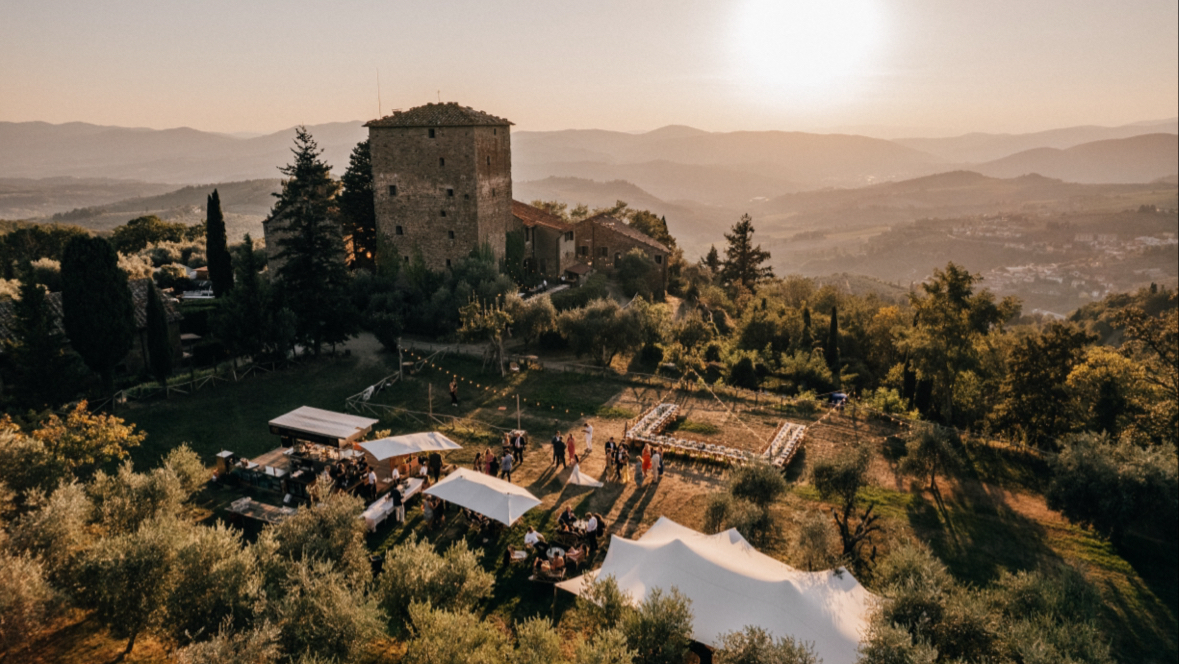
A previous Celsa reception used outdoor long tables beside a low stone wall, with countryside views and suspended decorative lighting. That arrangement shows how the setting can carry much of the design, while the furniture, lighting and flowers remain separate production choices.
A garden ceremony also needs a practical welcome point outside the area where food and drink service is restricted. Shade, a place to offer water before guests take their seats, a manageable walk and a clear route for anyone with limited mobility will affect the experience more than another decorative feature.


What Is the Rain Plan at Castello di Celsa?
The Granary is Celsa’s designated indoor backup. A marquee is also permitted in locations selected by the venue, using support weights. This gives couples two possible approaches: move the celebration into the existing building or invest in a covered outdoor reception.
The Granary option
The Granary gives Celsa a permanent indoor reception setting, with two halls beneath a timber-trussed roof and a loggia overlooking the Sienese countryside. Moving dinner here changes the atmosphere from a garden celebration to a historic interior. The central layout choice is whether everyone dines together in one hall or across both, and how drinks and dancing connect with the meal.
- Ceremony: A covered setting with seats for the full group and an accessible approach
- Aperitivo: Somewhere to gather while dinner tables are set; an open loggia may not shelter everyone from wind-driven rain
- Dinner: A comfortable table layout with service space, exits, a bar and clear sightlines to the couple and speeches
- Dancing: A separate dance area, or a room changeover with somewhere pleasant for guests to wait
- Movement between spaces: Lit routes that remain manageable in wet weather, particularly for guests with limited mobility
A venue-approved layout for the actual guest count should settle these points together. Two halls are useful when they let the celebration move naturally from drinks to dinner to dancing. They are less appealing when they split the meal into disconnected groups or require a long reset with nowhere for guests to go.
When a marquee makes more sense
A marquee may be the better choice from the outset if dining together in one space is a priority or the Granary feels too compromised for the guest count. The venue selects the permitted location and requires weighted anchoring. Flooring, sidewalls, drainage, lighting and heating or cooling affect both comfort and cost.
The separate €15,000–€35,000 RoamRecs weather reserve gives an early allowance for a fitted structure, not a fixed supplier price. Extra venue working time remains additional: €2,700 for an eight-hour day or €1,500 for a four-hour half-day. The structure’s booking deadline and build schedule need to allow it to be ready before guests arrive.
We would choose Celsa only with a covered version of the wedding that feels like a considered alternative, not an emergency compromise. That is especially important for spring and autumn dates, when the outdoor setting may play a smaller part in the day.

Accommodation and Where Guests Should Stay
Staying at Celsa
The standard residential arrangement sleeps 22 people: 12 in the castle and 10 in Villa Limonaia. Two extra beds may be added in existing Limonaia bedrooms at €175 per bed per day, bringing the property maximum to 24 residents, including children. These are additional beds, not two additional bedrooms.
That is enough for a close family group, but it does not make Celsa an all-guests-on-site wedding venue at the guest counts most couples will consider. For a very small wedding of 22–24, the full group could fit within the stated residential ceiling, subject to the room mix and child restrictions.
The room mix matters as much as the total. Children may stay only in the castle’s family suite or in Villa Limonaia, making those the natural places to allocate families first. A complete bedroom-and-bathroom plan, twin-bed allocation and step-free room inventory are not provided, so the final rooming list needs those details.
The couple or lead booker manages any room contributions: Celsa does not collect payment from individual guests. The €11,400 two-night accommodation subtotal works out to about €259 per resident per night at full standard occupancy. This is an estate-cost equivalent, not an individually bookable hotel rate; contributions can reflect the actual rooms rather than being split equally.
Arriving and leaving
Standard check-in is 5 p.m., with 11 a.m. checkout. Extending the rental for a welcome dinner allows a 1 p.m. check-in; extending it for a pool party allows a 4 p.m. checkout. Those are event-linked arrangements, not complimentary flexibility on every reservation.
A two-night Friday-to-Sunday stay is workable for a Saturday wedding, but it can feel short. The resident group may only settle in on Friday evening and then leave on Sunday morning. A Sunday farewell event or a relaxed recovery day is a reason to discuss an extension or third night, rather than assume the standard stay already provides one.
Our preferred accommodation strategy
For a wedding of 80–120, we would put the closest family at Celsa and concentrate most other guests in one or two accommodation hubs. Siena is the strongest default for guests who want independent meals and sightseeing between events. A country hotel can work equally well when the group would rather spend its free time by a pool.
The goal is not to find the largest number of charming small villas. It is to make the weekend easy to join. Every additional scattered address creates another pickup, and a beautiful room is less useful if its occupants spend much of the celebration waiting for transport.
Nearby places to consider
Hotel Athena, Siena
A practical city option inside the historic walls, with parking, a restaurant and a panoramic terrace. We would consider it for guests who want Siena on their doorstep rather than a second rural retreat. Allow roughly 25–35 minutes by road to Celsa.
Borgo San Luigi, near Monteriggioni
A country-hotel alternative with accommodation spread through a hamlet, a large pool, tennis and restaurant service. It suits a countryside group that would enjoy spending time at the hotel between events. One agreed transport meeting point keeps the dispersed rooms practical for wedding shuttles. Allow approximately 30–40 minutes by road.
Le Macine di Stigliano, Sovicille
A smaller boutique choice with 10 rooms, a restaurant, pool and hot tub. It makes more sense for one family group or a few couples than as the sole overflow hotel for a large wedding. Allow approximately 30–40 minutes by road.
These driving times are RoamRecs planning estimates; the vehicle, route and pickup point can change them. Hotel blocks and room categories need to be arranged for the wedding dates.
Siena’s Palio traditionally falls on July 2 and August 16, with related events in the preceding days. For weddings overlapping those periods, city accommodation and transport deserve early attention, before guests begin making separate plans.
Should guests rent cars?
Guests based in Siena should be able to manage the wedding without a rental car if you provide transfers for every hosted event. Guests staying in rural accommodation may appreciate a car for independent exploring, but it should not become the default plan for getting home after the reception.
Send a short, specific accommodation note: the preferred hotels, the dates to reserve, which events have transport, the exact pickup point and whether airport journeys are self-arranged. That is more useful than a long list of uncoordinated options.

Catering, Vendors and the Party
Food and drink
External catering is central to Celsa’s model. The caterer supplies reception food and the necessary event equipment rather than drawing on an included hotel banquet service. The €20 breakfast and €60 hot-meal prices belong to the residential stay, not the wedding menu.
An exclusive-caterer rule, compulsory wine purchase, corkage tariff and minimum bar spend vary based on event. Supplier choice and kitchen arrangements therefore need agreement with Celsa rather than being treated as unrestricted. The catering proposal should make clear who supplies the bar, equipment and service staff, particularly when several companies are involved.
The bar and aperitivo need a food-permitted lawn, courtyard or reception area outside the Italian garden. That boundary should shape the event layout from the start.
Music, dancing and the 2 a.m. finish
The standard wedding-day window runs from 9 a.m. until 2 a.m. the next morning, for vendors and guests. Additional hours for agreed setup, partying or dismantling are €350 each.
The practical choice is how to balance dancing, the final shuttle and clearing the venue. Because the standard access deadline also applies to suppliers, the schedule needs either time for breakdown before 2 a.m. or an agreed extension. Staying overnight does not extend supplier access.

Ceremony Options
A symbolic ceremony
A symbolic ceremony gives flexibility over timing, wording and who officiates. Celsa’s garden and chapel-lawn settings offer the castle architecture as a backdrop, while the legal formalities can take place separately. It is a natural option for couples who would rather keep paperwork out of the wedding-day schedule.
A legally binding civil ceremony
Castello di Celsa is an authorized private location for civil weddings and civil unions in the Comune di Sovicille. The municipal schedule reviewed in September 2026 lists €800 for nonresidents and €250 for residents or children of residents for ceremonies at approved private sites. These municipal charges are separate from venue hire and remain subject to the schedule in force for 2028.
The ceremony booking needs to cover the designated space, registrar and date through both Celsa and the civil-status office. The reviewed municipal schedule excludes Christmas Day, New Year’s Day, Easter and May 1.
Foreign couples need nationality-specific marriage documents; Sovicille's information allows nonresident foreign citizens to marry with the required documentation. Your planner or the civil-status office should establish the exact requirements, translations and any interpreter arrangements well ahead of the trip.
A religious ceremony in the chapel
The circular chapel is a distinctive setting for an intimate ceremony. A Catholic or other religious wedding requires separate arrangements with the relevant religious authority and officiant.
A small private chapel can also play a role without hosting the entire wedding. It might form part of the photographs or an intimate moment with family, while the main ceremony takes place elsewhere on the estate.

Other Rules Worth Knowing
Historic gardens. Confetti is prohibited throughout the property; biodegradable flower petals are the permitted alternative. Garden pots and basins must not be moved, so decorations need to work with the existing layout.
Fireworks and effects. Fireworks require a specialist company and the appropriate Municipal Police license. Cold fountains are listed as authorized, with the particular effect and location still to be agreed.
Accessibility. Step-free routes between event spaces, accessible bathrooms and suitable residential rooms are not documented. For guests who use mobility aids, the actual ceremony-to-dinner route and the bedroom and bathroom arrangements are more useful than a general description of the estate as accessible.
Pool gatherings. Pool use is included for the stay, while a hosted pool event is a separate arrangement. Nonresident access, supervision and any lifeguard requirement are unspecified and need to be part of the event agreement, along with the event-linked checkout extension.
Getting There and Transportation
Celsa is in Sovicille, west of Siena, rather than in the city itself. The official address is SP 101 di Montemaggio 20, 53018 Sovicille, Siena. Florence and Pisa are the main airports we would compare first; Siena station is a useful meeting point for guests arriving by train.
- Florence Airport, FLR: About 1 hour 20 minutes–1 hour 45 minutes
- Pisa Airport, PSA: About 1 hour 45 minutes–2 hours 15 minutes
- Rome Fiumicino, FCO: About 3–3¾ hours
- Siena railway station: About 25–35 minutes
- Siena hotel pickup: About 25–35 minutes, depending on the hotel and loading point
The wedding shuttle plan
With 78 people sleeping elsewhere in the 100-person, 22-resident example, transport is a core part of the wedding rather than a courtesy for a handful of guests. We would offer an earlier return for families or older guests and a final departure coordinated with the event finish.
Airport transfers and wedding shuttles are different budget lines. The main budget includes local movements on the wedding day only. It does not include collecting everyone from Florence, Pisa and Rome at different times, or transporting them to additional events.
Send guests the agreed entrance pin and written arrival instructions, especially for the rural final approach.
Best Time for a Castello di Celsa Wedding
Our first choices would be late May, June or September for a celebration centered on gardens and outdoor transitions. Celsa’s 2028 tariff has no published seasonal price bands, so April and October do not offer an established rental saving.
- April: average daytime high 18.1°C; average monthly rainfall 71 mm
- May: average daytime high 22.7°C; average monthly rainfall 70 mm
- June: average daytime high 27.1°C; average monthly rainfall 52 mm
- July: average daytime high 30.5°C; average monthly rainfall 29 mm
- August: average daytime high 30.7°C; average monthly rainfall 39 mm
- September: average daytime high 25.0°C; average monthly rainfall 81 mm
- October: average daytime high 19.8°C; average monthly rainfall 106 mm
These averages are for Siena, not a weather station at Celsa; monthly rainfall does not translate directly into the chance of rain during one ceremony.
Late spring and June. We would start here for couples who want the garden setting without deliberately choosing the hottest part of summer. June is warmer and historically drier than May, but a later ceremony and shaded waiting area remain sensible.
July and August. Heat is the more obvious comfort issue. Plan a later outdoor ceremony, make water available before guests enter the formal garden and avoid a long sun-exposed queue. A tent chosen for rain also needs a summer ventilation plan.
September and October. September offers a softer temperature profile, while October increasingly calls for an indoor-first approach. The difference is not merely the risk of a shower: shorter evenings and cooler conditions also change where guests will enjoy spending time.
For Celsa, season and dinner setting are closely connected. October makes more sense when the Granary or a fitted marquee is part of the appeal, rather than a last-minute substitute for the garden wedding.
Building a Wedding Weekend Around the Stay
A two-night Friday-to-Sunday stay suits a Saturday wedding with a modest arrival evening and breakfast before checkout. A welcome dinner can be added, with the relevant fee and agreed early check-in, but it is not built into the rental.
A three-night Friday-to-Monday stay is the more relaxed option for couples who want a welcome event, the wedding and a Sunday farewell gathering. The both-building venue-and-stay subtotal is €29,100. Allowing two full-price extra events brings the venue-side subtotal to €36,100, before their catering, production, tax and any additional access.
We would keep the arrival evening simpler than the wedding and leave the final day deliberately unhurried. A pool gathering can suit that rhythm, with nonresident access and safety arrangements included in its separate event agreement.
Three Questions to Settle Before Booking
What is the full rental for our group? The agreement should settle the required buildings, room allocation, tax treatment and any extra events. This is what determines whether the short-stay model works financially for your wedding.
Would we be happy with the covered version of the day? Look at the ceremony, drinks, dinner and dancing together, including how the Granary’s halls are used or whether a marquee is needed.
How will the evening finish? The music location and cutoff, supplier departure and return shuttles should form one schedule, so the final part of the wedding feels relaxed rather than rushed.
Similar Wedding Venues to Compare
Villa Cetinale: more of the group staying on a garden estate
Cetinale is a natural comparison for couples drawn to a historic private estate near Siena. Its wedding maximum is 100, and its four houses accommodate 48 in total. That can keep a much larger share of a 100-person wedding together than Celsa's standard 22-person residential arrangement.
Cetinale is the more relevant comparison when a larger resident group is central to the celebration. The rental duration, cost of the required houses and indoor reception arrangement still need to suit the wedding; more beds alone do not settle those choices.
Villa La Selva: a more accommodation-led estate stay
Villa La Selva’s wedding offering includes accommodation for up to 50, breakfast and room cleaning within its exclusive-use rental. Its wine-estate setting offers a different atmosphere from Celsa’s castle and formal gardens.
For a wedding of around 50, that can bring far more of the group into the shared stay. Celsa instead keeps the residential gathering small and charges separately for the event, accommodation and breakfast. The useful comparison is the total hospitality package, not just the wedding-day fee.
Borgo San Luigi: a hotel-based alternative
Borgo San Luigi is worth considering when hotel services, pool time and a more conventional accommodation operation matter more than occupying a private castle. It offers wedding hosting alongside its country-hotel accommodation and restaurant.
It is a different experience: guests staying in a country hotel with restaurant service, rather than a small group occupying the castle and Limonaia. The room block, event spaces and exclusivity terms determine how much of that hotel experience belongs to the wedding.
Still Comparing Tuscany Wedding Venues?
Explore the RoamRecs Tuscany Wedding Venue Collection to compare private villas, castles, wine estates and hotels by rental structure, sleeping capacity and rain-plan options.
Celsa belongs on the shortlist when the castle stay is for your closest group and the wider wedding will be based nearby. Compare the full stay-and-event cost and the covered reception, not the wedding-day fee in isolation.
Save the “Ultimate Tuscany Wedding Venue Guide” collection
Add every place in this collection to your RoamRecs in one tap.
More venues in Città della Pieve
93 venues in Città della Pieve

Borgo Siliano (Antico Podere Siliano)
Vocabolo Sigliano, 47, 06062 Città della Pieve PG, Italy
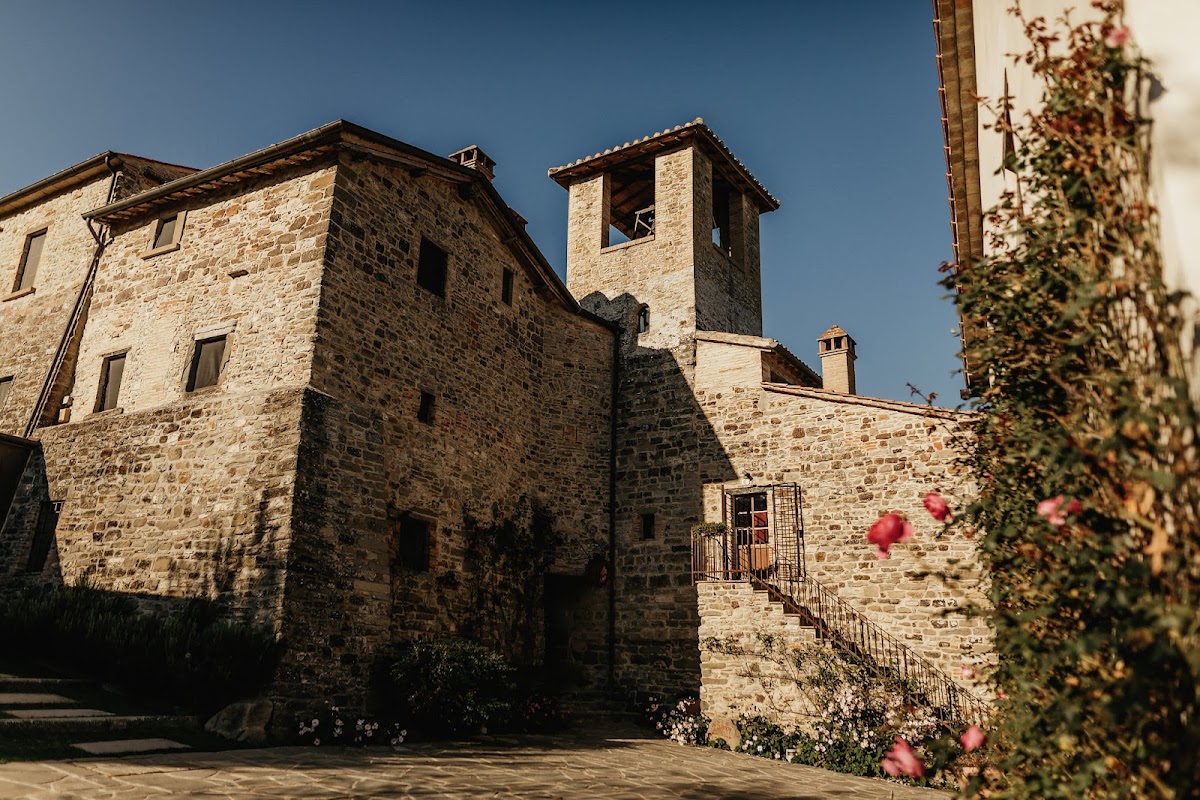
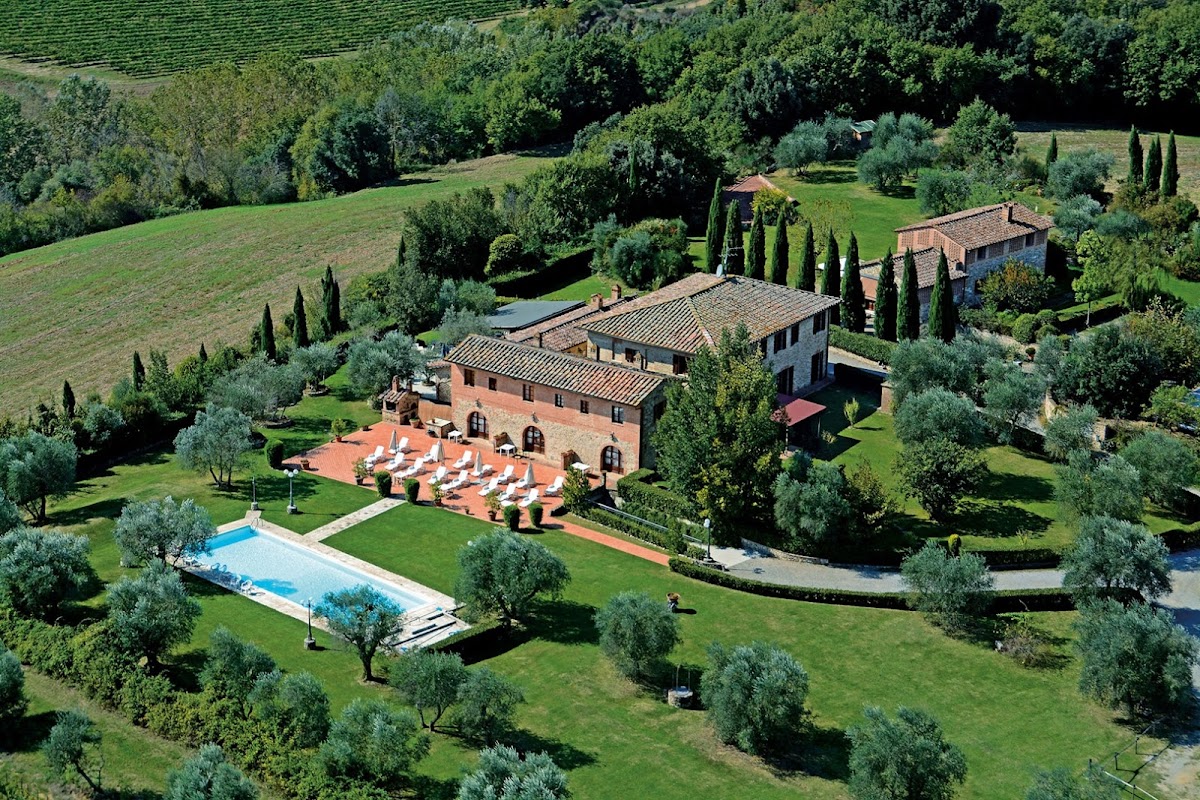
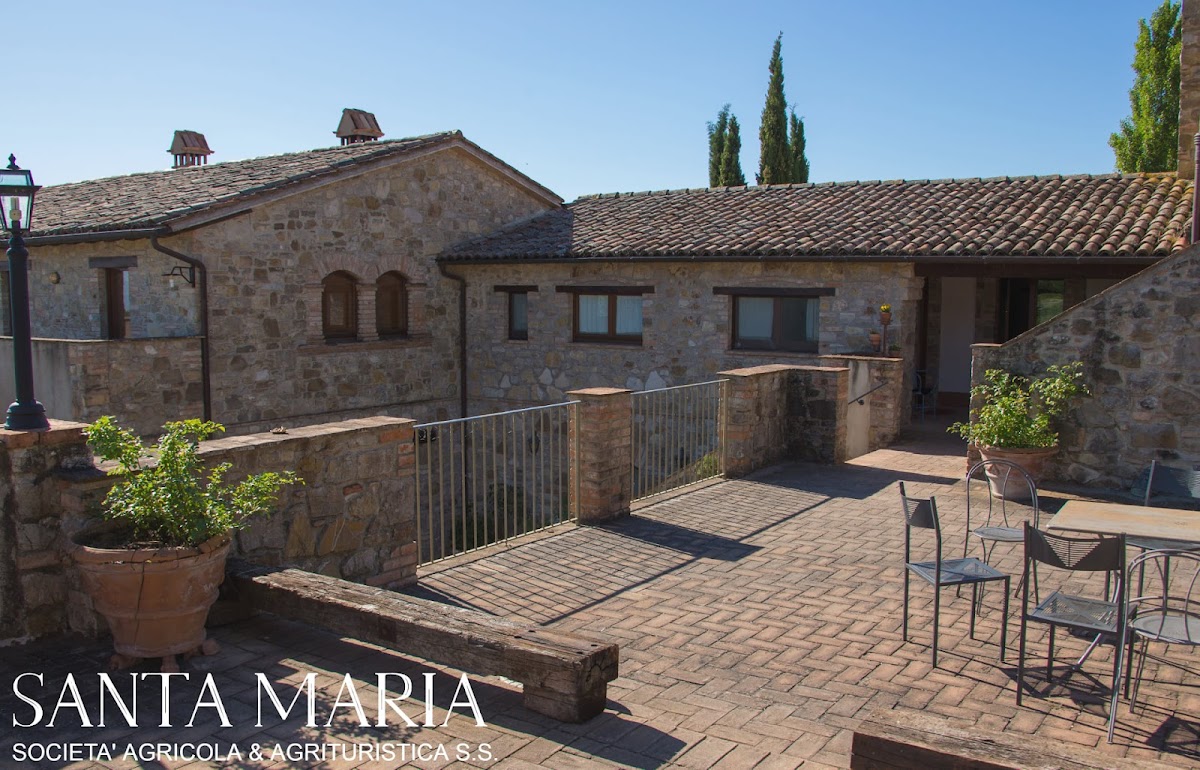
Agriturismo Podere Casato
Strada Chiantigiana, 12, 53019 Castelnuovo Berardenga SI, Italy
Frequently asked questions
How much does a Castello di Celsa wedding cost in 2028?
Is the €12,000 wedding fee inclusive of accommodation?
Do you have to stay at Celsa to get married there?
How many wedding guests can Castello di Celsa accommodate?
How many people can sleep on-site?
What happens if it rains?
Can you have a legal civil ceremony at Castello di Celsa?
Can dinner or cocktails take place in the Italian garden?
How late can the party continue?
Are a welcome dinner and farewell brunch included?
Can guests pay Celsa directly for their rooms?
Is breakfast included?
Related guides
Best Tuscany Wedding Venues (2026): Pricing, Costs & How to Choose the Perfect Venue
Castello di Bossi Wedding Cost (2026): Pricing, Accommodation & Everything to Know
Castiglion del Bosco Wedding Guide (2027): Pricing & Capacity
Villa Cetinale Wedding Cost (2026): Pricing, Capacity & Everything to Know

Villa La Selva Wedding Cost (2027): Pricing, Capacity & Everything to Know
Borgo Santo Pietro Wedding Guide (2026): Pricing, Capacity & Everything to Know
About the creator
RoamRecs Weddings researches destination wedding venues around the world, comparing current pricing, guest capacity, accommodation, rain plans and booking requirements to help couples understand what venues actually cost and how they work.
View profile →