Château d’Estoublon Wedding Guide (2027): A Private Provence Weekend
The €200,000 quoted privatization price, a private stay for 20 and the accommodation, catering and weather plans behind a wedding at this Alpilles estate.
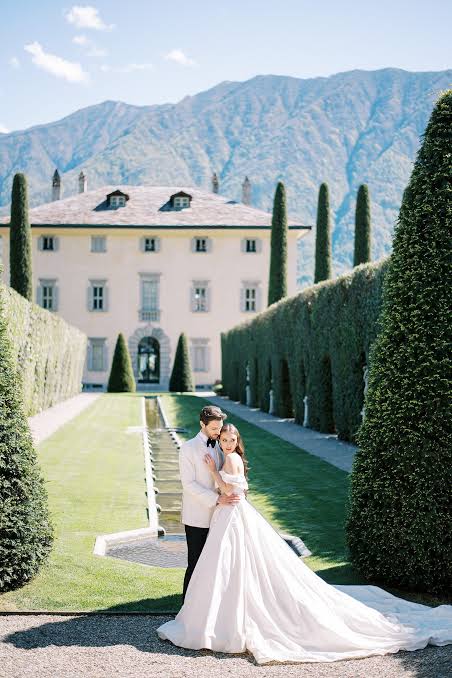

Château d’Estoublon offers two very different scales of celebration in one place: a fully staffed private house for up to 20 people, including the couple, and gardens and reception areas for a much larger wedding. Olive trees, vineyards and the grand double staircase give the estate its recognizable Provençal setting. It is part of the Airelles collection, but the wedding experience is a private residence rather than a hotel filled with your entire guest list.
The quoted privatization price is €200,000 including VAT, and weddings require a minimum stay of three nights. The dates and total nights covered by that price still need to be agreed. The rental includes the château’s ten rooms, everyday meals, soft drinks and estate wines for the house guests, as well as butlers, a private chef, daily housekeeping and concierge service. The welcome dinner, wedding dinner and farewell brunch are catered separately.
The estate accepts events of up to 250 guests, although seated dinner and indoor capacities need to be settled for the chosen spaces. For a modeled 150-person, three-night celebration using the €200,000 rental, a welcome dinner and a farewell brunch, allow approximately €385,000–€560,000. This RoamRecs planning estimate includes a provisional weather-protection allowance but excludes off-site guest rooms, airport transfers and the other costs detailed below.
Château d’Estoublon at a Glance
- Location: Route de Maussane, D17, 13990 Fontvieille, in the Alpilles area of Provence
- Venue type: Exclusive-use château and wine-and-olive estate; an Airelles private maison
- Quoted privatization price: €200,000 including VAT; a total rental figure, not a nightly rate
- Minimum stay: Three nights
- Dates and duration: The wedding year and total nights covered by the €200,000 price remain to be agreed
- On-site accommodation: Ten rooms for a maximum of 20 guests
- General event capacity: Up to 250 guests; dinner seating depends on the chosen space and layout
- Residential inclusions: Butlers, private chef, daily housekeeping, concierge, breakfast, lunch, dinner, soft drinks and estate wines for in-house guests
- Event catering: External catering for special events, including the welcome dinner, wedding dinner and farewell brunch; separate from residential meals
- Vendor choice and planner: Recommended vendors are not compulsory
- Music timings: No fixed venue cutoff for exclusive use; sound arrangements and late service hours are separate
- Our preferred scale: Around 100–150 guests
- Illustrative 150-person budget: RoamRecs planning estimate of €385,000–€560,000 for three nights, 20 residents and three events, using the €200,000 rental assumption and a weather reserve; exclusions below
- Principal arrival choices: Marseille Provence Airport and Avignon TGV, followed by a prebooked road transfer
- Main tradeoff: A substantial private-house commitment for only 20 overnight guests, with the larger wedding and most guest accommodation organized separately
The RoamRecs Take
Estoublon makes the most sense when the house is part of the reason you are getting married here, not simply the backdrop you want in the photographs.
For the resident group, the experience is unusually complete. There is a private chef and a proper rhythm of breakfast, lunch and dinner, rather than a rental house where every meal becomes another booking. The wedding can make fuller use of the grounds, with a staircase ceremony, drinks in the gardens and dinner in front of the château. The house gives the closest group a place to spend time together between those larger gatherings.
The freedom over music timings is another meaningful advantage. The venue does not impose a fixed cutoff for exclusive use, so dinner and dancing can unfold without an early finish shaping the evening. Late bar, entertainment and transport service still need to be budgeted. You are also not tied to the recommended vendors, which leaves room to choose a team whose food, design and style suit you.
The difficulty is that a €200,000 rental buys intimacy for a small group, not beds for a large wedding. At 150 guests, 130 people need accommodation elsewhere. This can still be a very sociable weekend, but it depends on good hotel choices, clear invitations to the surrounding events and reliable shuttles. It will not happen automatically because the château is private.
Our preferred scale is about 100–150 guests: a substantial celebration, but with fewer off-site rooms and shuttle passengers to organize than at the 250-person limit. That recommendation is about the shape of the weekend, not the size of an indoor room; the covered reception still needs its own plan.
For a smaller wedding, the decision is about the private stay rather than savings. At 50 guests, the €200,000 privatization alone works out to €4,000 per wedding guest, before catering or production. Inviting more people spreads that fixed cost, but increases food, transport, staffing and the size of the covered reception you may need.
We would look elsewhere for an all-guests-under-one-roof weekend, a tightly bundled wedding package or a ready-defined indoor reception. Estoublon suits couples who value the small, fully staffed house stay enough to fund the much larger celebration separately. The accommodation plan and covered reception deserve as much of that budget as the garden design.
Château d’Estoublon Wedding Photos


How Much Does a Château d’Estoublon Wedding Cost?
The €200,000 privatization
The quoted privatization price is €200,000 including VAT, and weddings require at least three nights. This is a total rental figure, not a nightly tariff.
Private use covers the château, its ten rooms and indoor and outdoor reception areas. The welcome evening, wedding and farewell gathering should each have named spaces in the booking, particularly if you plan to use La Table d’Estoublon or its terrace. This does not automatically mean every part of the wider working estate closes to other activity.
What the rental includes, and what it does not
- Château accommodation: Ten rooms for up to 20 overnight guests
- Residential service: Butlers, a private chef, full daily housekeeping and concierge service included
- Everyday meals for house guests: Breakfast, lunch and dinner included
- Everyday drinks for house guests: Soft drinks and estate wines included
- Welcome dinner, wedding dinner and farewell brunch: Special events, catered externally; their food and drinks are not included in residential hospitality
- Wedding planning, photography and entertainment: Budget separately
- Flowers, furniture, tableware, lighting, sound and event production: Separate wedding costs
- Weather protection and temporary structures: Budget separately where needed; any temporary structure requires venue approval
- Off-site guest hotels and guest transfers: Separate from the house accommodation
- Champagne, spirits and other residential upgrades: Outside the specified soft-drink-and-estate-wine inclusion; price separately
The private chef comes with everyday meals and the specified drinks for the house guests, not just cooking services. That is a useful inclusion for the stay, but it does not cover the wedding catering.
A farewell brunch for 150 people is still a special event even though 20 of them receive everyday meals at the château. Our budgets therefore include event catering for all 150, without assuming a credit for the house guests.
How the fixed cost changes with guest count
- 50 wedding guests: Privatization cost per wedding guest: €4,000
- 100 wedding guests: Privatization cost per wedding guest: €2,000
- 150 wedding guests: Privatization cost per wedding guest: €1,333
- 200 wedding guests: Privatization cost per wedding guest: €1,000
- 250 wedding guests: Privatization cost per wedding guest: €800
These comparisons divide the same €200,000 rental across different guest lists; they are not per-person packages. A smaller wedding still carries the full rental, while larger groups need a suitable dinner and weather plan.
Estimated Wedding Budget
RoamRecs planning estimate, not a venue or vendor quote.
These planning budgets assume a three-night stay for 20 overnight guests, plus a wedding reception, welcome dinner and farewell brunch for the full wedding guest count. They apply the €200,000 privatization price once to that stay.
The budgets include professional planning, catering and bar service, photography and video, flowers, rentals, lighting, entertainment, local event shuttles, a provisional weather-protection allowance and a 10% contingency on costs beyond the rental. Headline performers and highly elaborate custom builds are outside these estimates.
- 100 wedding guests: Approximately €345,000–€490,000
- 150 wedding guests: Approximately €385,000–€560,000
- 200 wedding guests: Approximately €425,000–€635,000
What the 150-person model contains
- Privatization baseline, VAT included: €200,000
- Wedding food, drinks and service: €45,000–€75,000
- Welcome dinner and farewell brunch, combined: €22,500–€37,500
- Wedding planning and coordination: €15,000–€30,000
- Photography and videography: €10,000–€18,000
- Flowers and décor: €15,000–€35,000
- Furniture, tabletop, lighting and production: €20,000–€40,000
- Music and entertainment: €8,000–€20,000
- Local guest shuttles: €4,000–€9,000
- Ceremony, beauty and stationery: €5,000–€10,000
- Provisional weather-infrastructure reserve: €25,000–€50,000
- Non-rental subtotal: €169,500–€324,500
- Contingency, 10% of the non-rental subtotal: €16,950–€32,450
- Calculated model total: €386,450–€556,950
The wedding food-and-drink allowance is €300–€500 per person, intended to cover the cocktail reception, dinner, dessert or cake, a defined bar service and event staffing. The welcome-and-farewell allowance is €150–€250 per person across both events combined, not for each event.
The separate €25,000–€50,000 weather reserve in the 150-person model allows for a covered reception and the infrastructure it may need. It is not a marquee quote or permission to install one. A highly specified glasshouse, extensive flooring, difficult access, heating or cooling could exceed the allowance; a suitable existing indoor room could reduce it.
The supplier allowances are intended to include VAT where applicable, and the €200,000 venue price already includes it. Compare tax-inclusive supplier totals with these allowances so the working budget reflects what you will actually pay.
These ranges exclude off-property guest rooms, flights, airport transfers, attire, rings, the honeymoon, extra nights and any venue supplements or local accommodation taxes not yet priced into the booking. They also exclude unusually elaborate production and headline performers. Any refundable damage security is a cash requirement, not a spent wedding cost unless charged.
Where the budget can move
Keeping the welcome evening and brunch relaxed is usually a more meaningful choice than cutting a handful of guests from a wedding with a €200,000 fixed venue cost. A major floral installation, a large live band or a custom covered reception can each change the budget materially.
Some supplier packages overlap. Basic furniture or tableware included by the caterer should reduce the separate rentals allowance, and lighting should appear only once. As the indoor or covered reception takes shape, replace the weather reserve with its actual costs rather than adding a second reception budget.
Capacity and Event Spaces
Estoublon accepts events of up to 250 guests and sleeps a maximum of 20. Dinner seating is a separate question: each space needs enough room for your tables, service, bars and entertainment.
- Great Staircase and château forecourt: How it could work for a wedding: Ceremony, portraits, an outdoor dinner backdrop or an evening gathering. Practical considerations: The staircase gives the event a strong focal point; chair and table layouts need to work around the forecourt.
- Formal gardens: How it could work for a wedding: Ceremony, drinks and an outdoor dinner sequence. Practical considerations: Different arrangements are possible; paths, planting and circulation shape the usable layout.
- Vineyard and olive-grove settings: How it could work for a wedding: A more rural ceremony backdrop, portraits or a smaller gathering. Practical considerations: Best considered alongside guest walking routes and the distance to the next part of the day.
- La Table d’Estoublon indoor restaurant: How it could work for a wedding: A possible indoor meal or reception setting. Practical considerations: An air-conditioned, vaulted former barrel cellar; private use and wedding seating need to be agreed.
- Restaurant terrace: How it could work for a wedding: A shaded meal, drinks or a welcome gathering. Practical considerations: Tree cover and arbors provide atmosphere and shade, not a complete weatherproof enclosure.
- Château interiors: How it could work for a wedding: Getting ready, residential meals and time with the house group. Practical considerations: Suited to the private stay; not established as a full-wedding dinner setting.
- Pool and surrounding grounds: How it could work for a wedding: A relaxed resident afternoon or a separately arranged celebration. Practical considerations: Pool-event attendance, swimming and safety arrangements need a separate agreement.
The staircase, gardens, vineyard setting and restaurant offer different ways to organize the celebration. The pool belongs to the residential stay; a larger poolside gathering is a separate event.
A day that uses the setting well
Our starting point would be a ceremony at the foot of the staircase or against the vineyard landscape, followed by drinks in a separate garden area. Dinner could return to the château frontage or another agreed garden setting. Keeping drinks away from the dinner tables gives the team time to finish the reception without guests sitting through the setup.
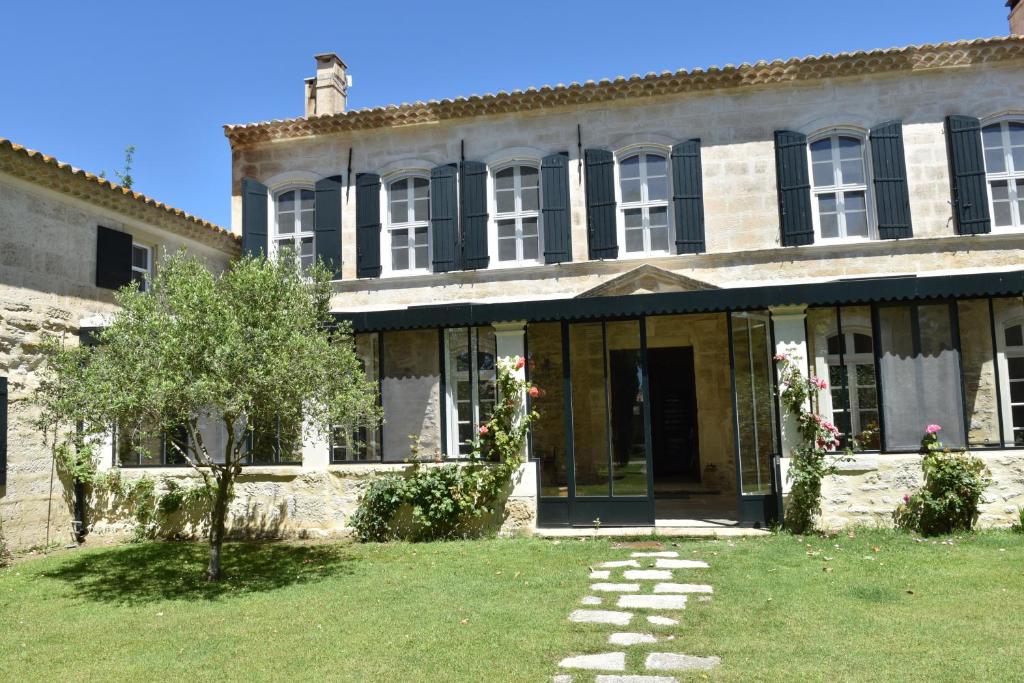
Long-table dinners and garden gatherings have been staged here, using the façade as the visual focus rather than filling every part of the grounds. Keeping that relationship between the house and gardens visible lets the setting do more of the work.
For a long dinner table, think about speeches and the couple’s position as much as the image. For a larger wedding, several tables may create a more sociable room than one exceptionally long arrangement. Those are design choices, but they also affect the covered alternative and the service team’s work.
What Is the Rain Plan at Château d’Estoublon?
The indoor or covered reception is one of the main decisions at Estoublon. Indoor reception areas are available, but their seated wedding capacities are limited. Neither the 250-person event limit nor our preferred 100–150-person guest list guarantees that the full wedding fits indoors.
La Table d’Estoublon offers a different atmosphere from the gardens: an air-conditioned dining room in a vaulted former barrel cellar. It is worth considering for an indoor celebration, but private use, seating and any room changeover must work for your group. It is a potential option, not an automatically included full-wedding fallback.
A useful weather plan covers four moments, not just dinner:
- Ceremony: A seated ceremony for everyone, with a clear aisle, good sightlines and a sheltered arrival
- Drinks: Somewhere comfortable to gather while the dinner room or covered reception is already set
- Dinner: Enough covered space for all dinner tables, service, bars and any stage
- Dancing: A party space with an easy transition from dinner, including somewhere for guests to go if tables need to move
Tents and glasshouse-style receptions have been used at past weddings. A similar approach could keep dinner closer to the garden setting, but any new installation requires venue approval for its location, size and setup timetable. The type of structure also needs to suit the weather it may face.
Wind matters as much as rain. The mistral can arrive with blue skies, making an exposed dinner uncomfortable and affecting whether an outdoor setup is safe to use. The venue and structure team need a wind plan as well as a rain plan.
We would give the covered celebration as much attention as the outdoor one. Moving dinner into a vaulted restaurant changes the atmosphere; building a glazed reception space changes the cost and setup schedule. The right choice is a version of the wedding you would still be happy to host, rather than somewhere to retreat only after the weather turns.
Accommodation and Where Guests Should Stay
The private house for 20
The château’s ten rooms accommodate a maximum of 20 people, including the couple. This is the intimate side of the weekend: close family or the wedding party staying together with meals and staff already in place.
The house has a cinema, billiard room and bar, while the grounds include a pool, a grass tennis court and pétanque. These give the resident group plenty to enjoy between events. Access for guests staying elsewhere needs its own arrangement.
Allocate the rooms around the people staying, not just the number of couples. Bed configurations, arrangements for children, step-free bedroom options and space for wedding preparations still need to be worked through within the 20-person total.
Nearby hotels we would consider
- Hôtel Belesso, Fontvieille: Why it belongs on the shortlist: A practical three-star option with 38 air-conditioned rooms, including eight family duplex rooms, plus a restaurant, parking and a pool. Driving allowance to the estate: About 10–15 minutes.
- La Régalido, Fontvieille: Why it belongs on the shortlist: A more intimate four-star village hotel with 23 rooms and suites; useful for a smaller block rather than the whole wedding. Driving allowance to the estate: About 10–15 minutes.
- Domaine de Manville, Les Baux-de-Provence: Why it belongs on the shortlist: A luxury hotel-and-villa stay with 30 hotel rooms and nine villas; suitable for guests who want resort facilities and more space. Driving allowance to the estate: About 10–20 minutes.
- Baumanière, Les Baux-de-Provence: Why it belongs on the shortlist: A five-star option with 53 rooms and suites across five buildings, suited to guests making the hotel stay part of the trip. Driving allowance to the estate: About 15–25 minutes.
- Arles: Why it belongs on the shortlist: A town-based alternative for a larger group who want restaurants and independent time between events; choose hotels around realistic shuttle pickup points. Driving allowance to the estate: About 20–30 minutes.
Our default would be one main accommodation hub in Fontvieille or the nearby Les Baux area, with a second option for a different budget. Sending every guest to a different rural rental can make three days of transport surprisingly complicated.
There is also a social reason to concentrate the group. Most guests will not have the private-house experience that the resident 20 enjoy. A shared hotel, a clear welcome plan and easy transport help them feel part of the same weekend rather than occasional visitors to it.
Catering, Vendors and the Late-Night Party
Separate the house kitchen from the wedding kitchen
The private chef looks after everyday meals for the house guests. The welcome dinner, wedding dinner and farewell brunch use an external caterer, with food and drinks charged separately. A hosted special event remains separate from everyday house meals even when only the resident group attends.
The estate can recommend vendors, but their use is not mandatory. Couples with a particular caterer, photographer or planner in mind have room to build their own team. The caterer’s quote should cover the staff and equipment needed for the chosen reception, not just a menu price.
Estate wines are included with everyday house hospitality, while the event bar is a separate purchase. Its cost will depend on the wine and spirits selection, service hours and staffing.
We would budget for an experienced destination-wedding planner with an on-site team. A planner can bring the private house, external caterer, hotel blocks, transfers and weather decisions into one schedule, with clear responsibility for the whole weekend.
Music without a fixed venue cutoff
For exclusive use, the venue imposes no restriction on music timings. That is a real difference from a château where outdoor music has to stop at a fixed hour.
That flexibility makes the late-night plan more important, not less. Choose the party location and service hours together so the bar, entertainment and shuttles follow the same schedule. Sound levels still need to be agreed, and late service is a separate cost.
We would arrange an earlier return shuttle as well as a final departure tied to the party schedule. That gives guests a choice without leaving a large group to find cars at the end of the night. The planner or transport coordinator should stay in contact with the drivers.
Ceremony Options
A symbolic ceremony on the estate
The most straightforward destination-wedding plan is to complete the legal marriage separately and hold a personal ceremony at Estoublon. The staircase gives the moment an architectural focus; a vineyard-facing setting makes the landscape the backdrop instead. The final choice should work for the seating plan and for anyone who cannot comfortably use steps or uneven garden paths.
A legal marriage in France
Civil weddings in France generally take place at the mairie or an authorized municipal building. The municipality must have the required connection to the couple or, where applicable, a parent. A residence-based connection normally requires at least a month of continuous residence before the marriage notices are published, so a three-night château stay does not establish eligibility. Foreign couples without a qualifying connection face additional restrictions.
For a local civil ceremony, Fontvieille’s mairie is the starting point for eligibility and documents. Holding it at the château would also require municipal authorization for the location. A symbolic ceremony on the estate avoids making the wedding celebration depend on those legal arrangements.
A religious ceremony or blessing
A religious service needs separate arrangements with the relevant clergy. A chapel ceremony may be worth discussing for an intimate group, but its availability, seating and religious permissions remain unresolved. In France, a religious marriage must follow the civil marriage.
Getting There and Transportation
The estate is on Route de Maussane, the D17, outside Fontvieille. For most international itineraries, we would compare flights into Marseille Provence with a rail journey to Avignon TGV. Neither arrival option removes the need for the final road transfer.
- Marseille Provence Airport, MRS: About 55–75 minutes
- Avignon TGV station: About 35–50 minutes
- Arles station or town hotels: About 20–30 minutes
- Nîmes airport, where flights suit the itinerary: About 40–55 minutes
- Saint-Rémy-de-Provence: About 25–35 minutes
For guests combining the wedding with Paris, direct trains to Avignon TGV commonly take roughly 2½–3 hours. Avignon TGV and Avignon Centre are different stations, so use the full station name in guest travel information and book the onward car or shuttle for the correct arrival.
Hotel pickup points should be chosen alongside the room blocks, with space for guests to gather and board. Coach size and access at the château still need to be agreed with the venue and transport operator, including where vehicles can turn and wait. Those details determine whether the shuttle plan works as smoothly as the drive time suggests.
Guests can manage without a rental car when airport or station transfers and the wedding-event shuttles are provided. Those spending additional days exploring the countryside may prefer one. Keep wedding-day transport separate from that personal choice so people are not expected to drive after the party.
Best Time for a Château d’Estoublon Wedding
Our first shortlist would be late May, June or September. Choose around outdoor comfort and the covered reception you like, rather than assuming a particular month brings a rental discount.
- April: Average daytime high: 19.3°C. Average monthly rainfall: 51.6 mm.
- May: Average daytime high: 23.5°C. Average monthly rainfall: 37.7 mm.
- June: Average daytime high: 27.9°C. Average monthly rainfall: 27.9 mm.
- July: Average daytime high: 30.7°C. Average monthly rainfall: 10.8 mm.
- August: Average daytime high: 30.5°C. Average monthly rainfall: 25.8 mm.
- September: Average daytime high: 25.9°C. Average monthly rainfall: 82.0 mm.
- October: Average daytime high: 21.3°C. Average monthly rainfall: 73.3 mm.
Late May and June are our strongest all-round choices. We would use a later-afternoon ceremony with shaded time before dinner. Choose them for the opportunity to spend more of the day in the grounds, rather than relying on a particular flower being in bloom.
July and August suit couples who want summer atmosphere and accept the heat. A late ceremony, readily available water, shaded gathering areas and somewhere comfortable to cool down matter more than an ambitious daytime schedule.
September offers a gentler temperature profile but is not the dry-weather shortcut it can appear to be. The regional rainfall comparison makes a properly planned indoor or covered reception especially important. April and October can work for an indoor-first celebration, but we would not choose them simply on the assumption of a cheaper rental.
The mistral adds another variable across the seasons. Consider the exposure of the ceremony, the comfort of an outdoor dinner and the stability of the design, not just the chance of rain.
Building the Weekend Around the Stay
A three-night stay leaves room for an arrival evening, the wedding and a slower day afterward. This is one way to use the stay, with the extra events arranged separately and the final schedule built around agreed arrival and departure times.
- Arrival day: The resident group settles into the château. Other guests check into their hotels, followed by a separately catered welcome dinner or drinks-and-supper event
- Wedding day: A quiet morning for the house group, preparations, a later ceremony, garden drinks, dinner and the party
- Day after: A farewell brunch for invited guests, with a slower afternoon for residents rather than another fully programmed event
- Departure day: Residential breakfast and departure at the agreed checkout time
The included house meals make the gaps between the larger events easier for the residents. The separately catered welcome dinner and brunch bring the wider group back together.
Wine-and-olive-oil experiences, tastings or a picnic can give the residents another way to enjoy the estate during a longer or less event-heavy stay. These are separately arranged activities, not automatic rental inclusions. We would keep them small rather than add another full-group outing to an already busy weekend.
A farewell brunch is easier to enjoy when it is not squeezed against checkout. Any substantial covered build also needs setup and removal time around the celebrations, which may affect the access days included in the booking.
The Decisions That Matter Most
Three questions should shape the first detailed conversation with the estate.
What does our complete weekend cost for these dates? Start with the €200,000 quoted privatization, then establish the nights, spaces and events it covers, alongside any extra charges and payment terms. The stay for 20 should be a part of the experience you genuinely value, not a cost that crowds out the wedding itself.
Where would we host the whole day in rain or strong wind? Discuss the ceremony, drinks, dinner and dancing together. The answer should be a covered celebration you like, with a realistic price, rather than an assumption based on the general event limit.
How will the guests staying elsewhere share the weekend? At 150 guests, 130 need other accommodation. Hotel blocks, invitations to the surrounding events and return shuttles are what make the château feel like the center of one shared celebration.
Similar Wedding Venues to Compare
Château de Tourreau: another private-house weekend
Tourreau is a useful comparison when the attraction is a historic private château rather than a resort. Its château and farm together offer 16 rooms for 29 guests, with gardens, an infinity pool and sports facilities. That accommodates nine more people than Estoublon, but still leaves most of a larger wedding in nearby hotels. The useful comparison is the full stay and level of service, not just the additional rooms.
Domaine de Manville: a more hotel-led guest experience
Manville offers 30 hotel rooms and nine villas, alongside its wedding and celebration spaces. It is worth comparing when keeping more guests at the same hospitality property matters most. The atmosphere is different: a hotel-and-villa estate rather than a small group taking over one château. The number of rooms available to your wedding and the level of exclusivity depend on the booking.
Château de Sannes: an orangery-centered reception option
Sannes combines a Provençal garden-and-vineyard setting with an orangery overlooking the pond and vines. It is worth comparing when the covered reception is central to your choice, rather than something to work out after falling for the gardens. Its seating and inclusions still need to fit your wedding. Sannes is in the Luberon, so choosing it also means a different hotel and transport plan.
Still Comparing Wedding Venues in France?
Explore the RoamRecs France Wedding Venue Collection to compare private châteaux, wine estates and hotels by the full weekend cost, sleeping arrangements and reception format.
For Estoublon, the most useful comparison is not simply which property has the lowest rental or highest capacity. It is which one gives your resident group and the guests staying elsewhere the best combined experience.
Save the “Ultimate France Wedding Venues Guide” collection
Add every place in this collection to your RoamRecs in one tap.
More venues near Château d'Estoublon
155 venues in Grignan
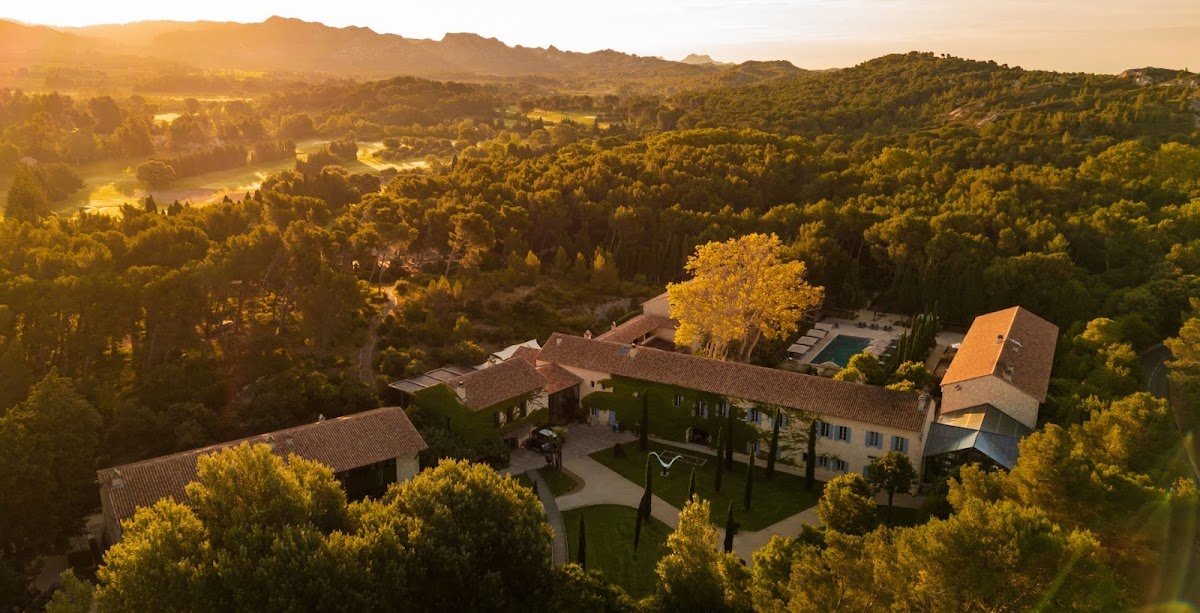
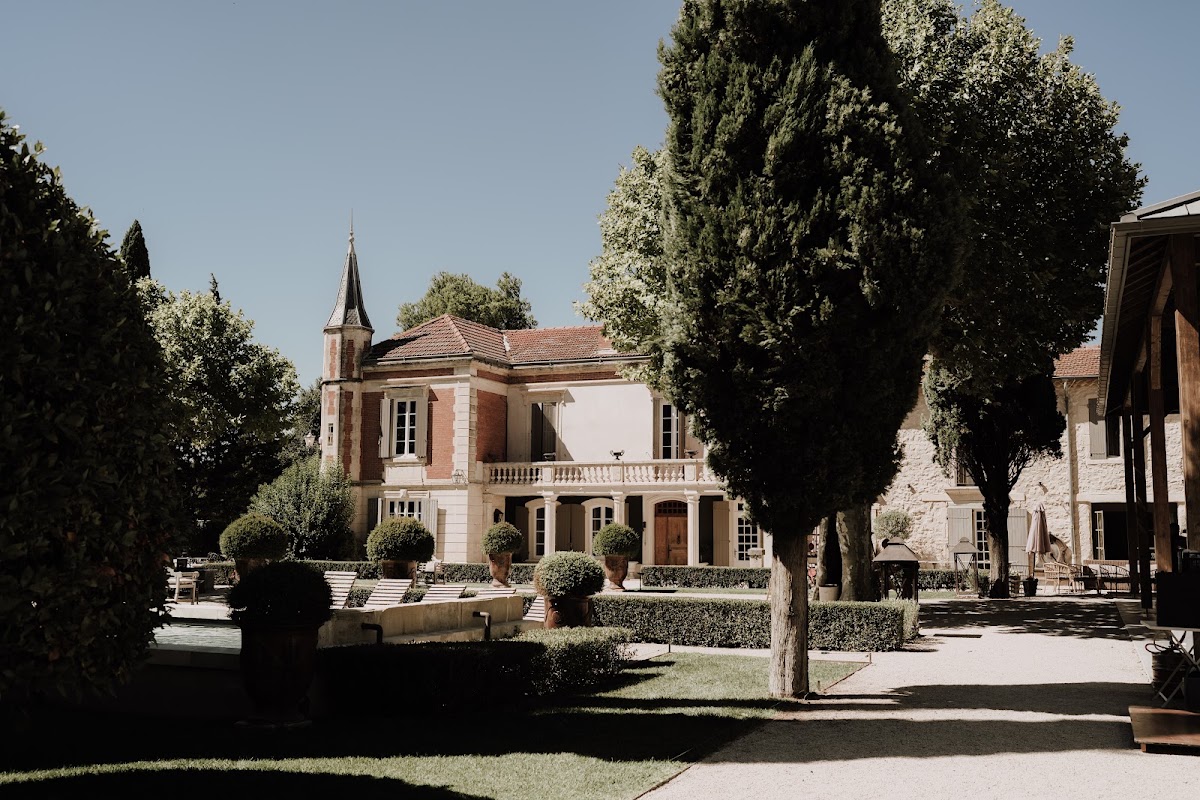
Mas d'Arvieux - Lieu de réceptions, mariages et Séminaires
2 Chemin du Mas d'Arvieux, 13150 Tarascon, France
Frequently asked questions
How much does a Château d’Estoublon wedding cost?
Is €200,000 the nightly rate?
How many guests can attend the wedding?
How many guests can sleep at the château?
Are the private chef, meals and wine included?
Can we choose our own caterer and vendors?
What happens if it rains?
What time does the music have to stop?
Can we have the legal ceremony at the château?
What is the best month to choose?
Related guides
About the creator
RoamRecs Weddings researches destination wedding venues around the world, comparing current pricing, guest capacity, accommodation, rain plans and booking requirements to help couples understand what venues actually cost and how they work.
View profile →