Château de Fonscolombe Wedding Cost 2028: Pricing & Capacity
A private château-hotel weekend near Aix-en-Provence, with 2028 buyout prices, the daily food-and-drink commitment, guest accommodation and the weather plan explained.
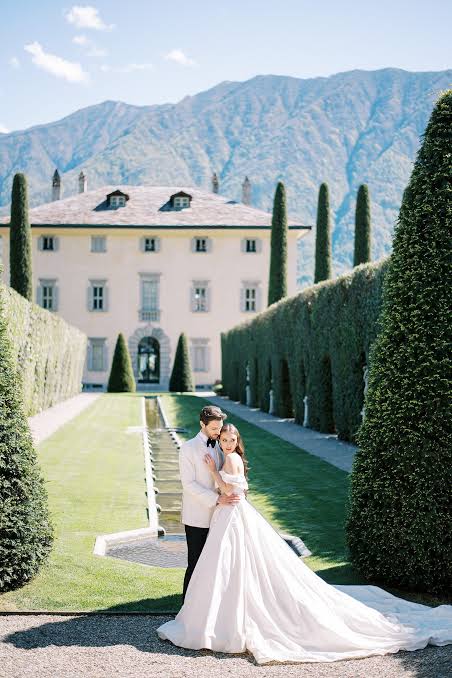

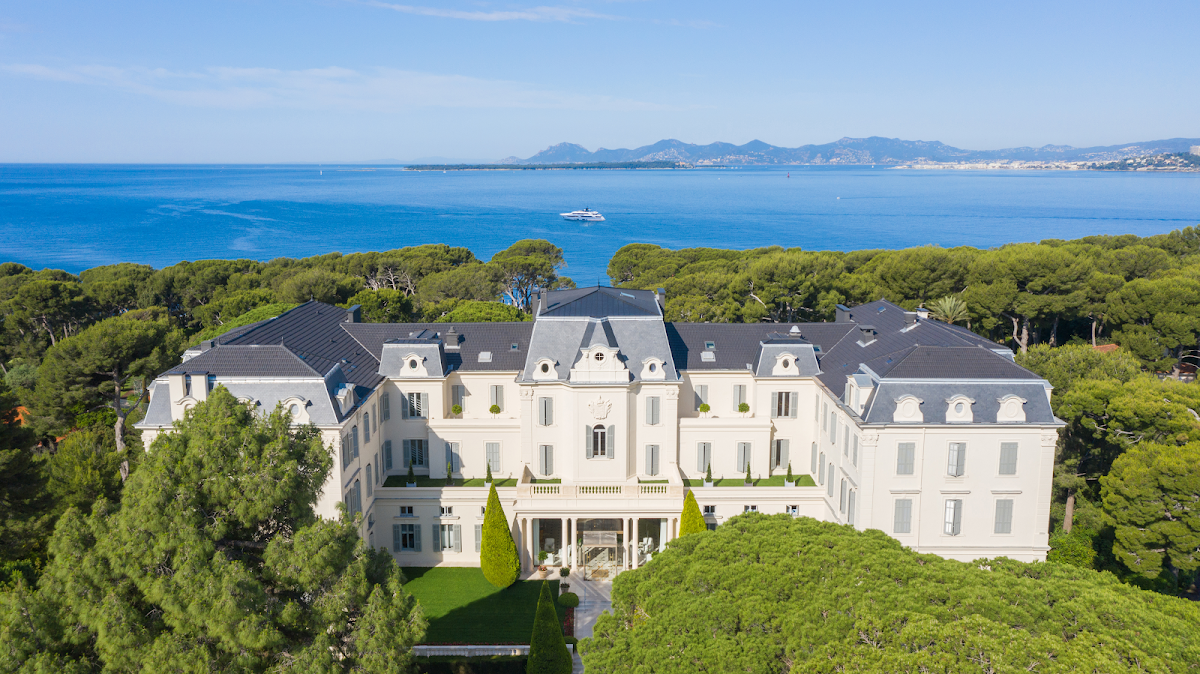
Château de Fonscolombe offers something quite different from hiring a French château for a single evening. You take over a 50-room hotel for three nights, with historic salons, gardens, restaurants and accommodation for up to 110 people. The setting is countryside rather than central Aix-en-Provence: an eighteenth-century house and park in Le Puy-Sainte-Réparade, with the city close enough for guests to add a few days of sightseeing.
For 2028, the Friday-to-Monday buyout starts at €54,000 from November through April, €78,000 in October and €105,000 from May through September. Accommodation and breakfast are included, with a €20,000 food-and-beverage minimum for each day of exclusive use on top. This is a commitment to hosting a full weekend, not simply paying for Saturday's reception.
Fonscolombe can host dinner for up to 130 guests, but weddings above 100 need a separate covered-weather solution. For 100 guests and a three-night May-to-September stay, our planning range is approximately €275,000–€425,000, including weather cover and either three or four daily food-and-beverage minimums.
Château de Fonscolombe at a Glance
- Location: Route de Saint-Canadet, 13610 Le Puy-Sainte-Réparade, Provence, France; countryside north of Aix-en-Provence
- Venue type: Five-star château hotel with historic salons, gardens, a chapel, restaurants and an outdoor pool
- Wedding booking: Exclusive use of all 50 rooms and suites; minimum three nights, Friday to Monday
- 2028 nightly buyout: From €18,000 November–April; €26,000 October; €35,000 May–September
- Three-night buyout: From €54,000; €78,000; or €105,000 respectively
- Included in the buyout: Exclusive property use, accommodation and breakfast
- Food-and-beverage commitment: Minimum €20,000 per day of exclusive use; a Friday-to-Monday stay may attract three or four daily minimums
- Dining maximum: 130 guests, with a seated layout suited to the chosen space
- Rain plan: A separate covered solution is needed above 100 guests. Indoor seated capacity for smaller weddings still needs a room-by-room plan
- Indoor reception capacity: Up to 150 for reception use, not seated dinner
- On-site accommodation: Up to 110 people in 50 rooms and suites, subject to the rooming arrangement
- Catering: In-house catering is required for weddings with fewer than 130 guests. The arrangement at exactly 130 needs agreement
- Other suppliers and planner: Other suppliers may be chosen freely; a wedding planner is compulsory for organization and on-site coordination
- Music: Outdoors until midnight; celebration indoors until 2 a.m.
- Arrival airport: Marseille Provence, MRS; allow about 40–55 minutes by road, as a RoamRecs planning estimate
- RoamRecs preferred guest count: Around 80–100 for a largely residential weekend; the wet-weather layout remains important
- Illustrative wedding budget: Approximately €275,000–€425,000 for 100 guests and three May–September nights, with the assumptions and exclusions below
The RoamRecs Take
Fonscolombe is strongest as a residential wedding weekend, not as a château backdrop you rent for Saturday.
Having 50 rooms changes the experience. Close family can settle in before the wedding, guests can meet over breakfast, and a substantial part of the group can stay after the party without getting into a shuttle. With a guest list around 80–100, there is a realistic opportunity to keep everyone on the property, depending on who is sharing rooms and which guests need family or accessible accommodation. That is a meaningful advantage over a grand private house with only a handful of bedrooms.
The setting has two sides that work well together: the château's formal interiors and the less structured pleasure of being outside in the park. A welcome dinner can feel different from the wedding reception without moving everyone to another venue. The food is also a reason to consider Fonscolombe seriously. La Table de l'Orangerie holds one Michelin star in 2026, although a wedding banquet is a separately designed menu rather than the restaurant's tasting experience automatically transferred to a larger group.
The financial commitment is substantial even before you start making design choices. Fifty rooms are compulsory, and the daily food-and-drink minimum does not shrink with the guest list. A 50-person wedding could feel intimate here, but it would leave much of the hotel underused without reducing the fixed commitment. Nor does taking guests elsewhere for a welcome dinner necessarily remove that day's hotel spending commitment.
The weaker point is the weather plan. The historic salons are part of the château's appeal, but they do not offer the simplicity of a single ballroom for a 130-person dinner. Above 100, a covered reception becomes central to the design. For smaller weddings, the choice between dining together, spreading dinner across salons or using a tent changes the feel of the evening.
Our preferred range is 80–100 guests. It makes good use of the accommodation while keeping the event below the maximum dining count. A wedding of 110 can still work as an almost entirely residential gathering, but already exceeds the stated rain-fallback threshold. At 130, some guests need other hotels and the covered reception deserves the same attention as the outdoor setting.
Bottom line: We would shortlist Fonscolombe for couples who want hotel service, a substantial food-and-drink weekend and a historic setting, and are comfortable with the overall budget. We would look elsewhere for a one-day hire, an unrestricted choice of caterer, a modest fixed cost, a guaranteed large indoor banquet room or outdoor dancing into the early hours.
Château de Fonscolombe Wedding Photos


How Much Does a Château de Fonscolombe Wedding Cost?
The 2028 exclusive-use rate
Weddings require a minimum three-night stay from Friday to Monday. These are starting prices; the selected dates can cost more.
- November–April: Starting rate per night: €18,000. Three-night buyout: €54,000.
- October: Starting rate per night: €26,000. Three-night buyout: €78,000.
- May–September: Starting rate per night: €35,000. Three-night buyout: €105,000.
The buyout includes the property, all 50 rooms and suites, accommodation and breakfast. It is not an all-inclusive wedding package. Wedding meals, drinks, planning, design and production sit outside that rental figure.
October reduces the three-night starting rental by €27,000 compared with May–September. November–April reduces it by €51,000. Moving from June to September does not create the same saving: both months share the €35,000 starting nightly band.
The €20,000 daily food-and-beverage minimum
This is the most important addition to the room buyout. A minimum of €20,000 per day of exclusive use applies whether catering is provided in-house or by an external caterer.
A Friday-to-Monday stay covers three nights but four calendar days. It is not yet clear whether Monday departure attracts another daily minimum, making the food-and-beverage commitment €60,000 for three days or €80,000 for four. Both possibilities are shown below.
- November–April: Buyout + three daily minimums: €114,000. Buyout + four daily minimums: €134,000.
- October: Buyout + three daily minimums: €138,000. Buyout + four daily minimums: €158,000.
- May–September: Buyout + three daily minimums: €165,000. Buyout + four daily minimums: €185,000.
These are starting commitments for the stay and minimum food-and-beverage spend, not complete wedding budgets. Both columns include the same three-night rental. The difference is a possible fourth daily minimum, not another night at the hotel.
The €20,000 is a minimum spend, not a second catering bill to add after paying for qualifying meals and drinks. The important detail is what counts toward it. Menus, bar service, service charges, supplier meals, any credit for included breakfast and an outside caterer's invoice all need clear treatment in the daily hospitality price.
A large Saturday dinner does not necessarily offset a quieter Friday or Sunday. The requirement is daily, so the budget should meet each day's minimum unless the hotel expressly allows spending to be shared across days.
What sits outside the rental?
Beyond the stay, allow for the compulsory planner, meals and bar service, flowers and décor, furniture and table settings, lighting and sound, entertainment, photography and video, transport, and any tent or other weather cover. Items supplied by the hotel or caterer should not also appear in a separate hire budget.
A farewell brunch can be a separate event rather than the breakfast included with the bedrooms, especially with additional guests, a different menu, longer bar service or a separate setup. Poolside gatherings also need their own arrangements; ordinary pool access is not the same as a hosted pool party.
Estimated Wedding Budget
RoamRecs planning estimate, not a venue or vendor quote.
A 100-person, three-night May–September 2028 wedding
This model covers 100 wedding guests and all 50 rooms for three nights, using the €105,000 May–September starting buyout. It includes a welcome event, wedding day and Sunday gathering, professional suppliers, local transport and an allowance for weather cover. The rooming plan determines the overnight headcount; off-property hotel rooms are not included.
The main model uses three food-and-beverage billing days. The four-day version follows immediately below it. The food-and-beverage allowance already includes the daily minimums, rather than adding them again.
- Three-night May–September buyout, venue starting rate: €105,000
- Friday food and drinks: €20,000–€25,000
- Saturday food and drinks: €25,000–€40,000
- Sunday food and drinks: €20,000–€25,000
- Wedding planning and on-site team: €25,000–€35,000
- Photography and videography: €10,000–€18,000
- Flowers and décor: €12,000–€28,000
- Furniture, tabletop, sound and lighting: €15,000–€32,000
- Music and entertainment: €6,000–€15,000
- Local guest transport: €3,000–€7,000
- Ceremony, beauty and stationery: €4,000–€8,000
- Weather structure, flooring and installation: €15,000–€35,000
- Contingency: 10% of modeled non-rental costs: €15,500–€26,800
- Calculated total: three food-and-beverage billing days: €275,500–€399,800
- Calculated total: four billing days, adding €20,000 plus contingency: €297,500–€421,800
Across the two billing scenarios, a useful rounded planning range is approximately €275,000–€425,000.
Friday's allowance covers a welcome meal and associated drinks. Sunday's can be spread across eligible meals and drinks for the group still staying, rather than spent at one brunch. The menus and service hours determine what those allowances buy; they are not unlimited daily hospitality packages.
The weather allowance covers a potential structure, flooring and installation, not a quoted tent package. An elaborate enclosed reception, substantial heating or cooling, difficult ground conditions or extensive production could cost more. Lighting and décor have separate budget lines. At 100 guests, an indoor arrangement that suits the whole wedding could reduce the weather-cover cost, but this model does not rely on one.
Included: the full hotel buyout, modeled meals and drinks across the three event days, the listed suppliers, local transport, weather infrastructure and contingency. Excluded: any rental premium above the starting rate; taxes or compulsory venue charges not already included in the eventual quotes; off-property hotel rooms; guest flights; personal attire, rings and honeymoon; and discretionary excursions. Refundable security is a separate cash requirement, not treated as money spent on the wedding.
Guest accommodation is already part of the buyout. Contributions from guests would change who pays, not reduce the hotel commitment itself. Any arrangement for guests to pay for rooms needs to work with the venue's booking and billing process.
Capacity and Event Spaces
Dinner, accommodation and indoor reception capacity
130 is the dining maximum. 110 is the overnight maximum. 150 is an indoor reception figure, not a banquet capacity. The existing rain fallback does not accommodate more than 100 people, and the seated indoor arrangement for smaller groups remains a separate question.
For dinner, the useful layout includes the tables, space for service, bars and any band, DJ or dance floor, not simply room for the guests to enter.
The most promising outdoor sequence is a ceremony in the gardens, drinks around the château's terraces and fountains, then dinner in the south park or against the façade. This allows each part of the day to have its own setting without sending guests off-property. The exact sequence should be designed around walking distances, shade, mobility and the weather alternative.
- South park and château-facing outdoor areas: How it could work for a wedding: Ceremony, drinks or al fresco dinner. Capacity and distinction: Use the 130-person dining maximum as the ceiling, not proof that every outdoor setup seats 130.
- Le Temps Suspendu: How it could work for a wedding: Smaller meals and garden-facing hospitality. Capacity and distinction: Regular seated setup of 50; a larger reception arrangement is a different use.
- Galerie: How it could work for a wedding: A more intimate indoor meal or part of the guest flow. Capacity and distinction: A 60-seat reference dinner layout; not a standalone solution for a 130-person wedding.
- Caravelle: How it could work for a wedding: Ceremony-style gathering, meeting or smaller event. Capacity and distinction: 87 m²; current layouts include 80 theatre-style or 40 cabaret. Neither is an 80-seat wedding banquet.
- Private chapel: How it could work for a wedding: An intimate ceremony setting. Capacity and distinction: 20-seat reference layout; religious use requires separate arrangements.
- Indoor late-night reception space: How it could work for a wedding: Continuation of the celebration after outdoor music ends. Capacity and distinction: Up to 150 for reception use
The smaller indoor figures describe individual layouts, not an approved combined dinner plan. Even if the 50-seat and 60-seat rooms can be used together, that would mean dinner across separate spaces rather than one 110-person reception. Sightlines, speeches and movement between rooms matter as much as the combined seat count.
Two approaches to the reception
A tented reception for 95 guests has been held here, showing how a covered dinner can keep the château and gardens central to the evening even below the 100-person weather threshold. Another outdoor reception used long and rectangular tables in front of the house, with lighting suspended from freestanding poles. These offer two distinct design directions: a covered garden dining room or a more open celebration against the façade.
An open decorative frame or a ceiling of string lights does not provide rain protection. Furniture, lighting and structures shown in photographs are also not an included wedding package.
What Is the Rain Plan at Fonscolombe?
Above 100 guests, a tent or another approved covered solution is part of planning the wedding, not a last-minute precaution. Fonscolombe's existing rain fallback does not accommodate a larger group. For 100 or fewer, the indoor plan still needs to cover the full day, and there is no established single-room seated capacity for 100.
For a smaller gathering, the salons and dining rooms may be part of a good solution. The question is whether the arrangement suits the wedding you want. A single shared dinner, dinner spread between rooms and a covered garden reception all create different sightlines, acoustics and atmospheres. A couple who care about everyone seeing the speeches should look at that layout early.
The ceremony and drinks need somewhere to happen while dinner tables are set. Reusing a room can work, but guests need a comfortable place to gather during the changeover. A late-night room that is ready before midnight also keeps the move from dinner to dancing from interrupting the evening.
For a tented reception, comfort depends on more than the roof: a dry, level floor, a sheltered route back to the château, enough light and a comfortable temperature. The structure's position also affects the view, the walk between events and how smoothly dinner is served. Your planner and the venue need to design it as a dining space, not just cover for the tables.
Wind matters alongside rain. Provence's mistral can bring strong winds even under clear skies, so an outdoor or tented wedding needs a wind plan as well as a wet-weather alternative.
The budget's €15,000–€35,000 weather allowance is a RoamRecs estimate for structure, flooring and installation. The approved design determines the final price; a larger or highly finished enclosed reception can exceed it.
For an October or April wedding, we would choose the covered layout because we genuinely like it, not treat it as an unattractive emergency option. The lower rental is useful only if the overall event still works in the conditions that month can bring.
Accommodation and Where Guests Should Stay
Staying at the château
The compulsory buyout includes 50 rooms and suites for up to 110 people. Accommodation is distributed between the historic château, its wing and an outbuilding, rather than every guest sleeping in the main house. Rooms have air conditioning, and the hotel offers double or twin arrangements, suites with additional sleeping options and family accommodation.
Using all 110 sleeping places depends on the rooming arrangement, not just the total headcount. Couples, single travelers, children and guests who cannot share all affect how far 50 rooms will stretch. Accessible room options are also part of the allocation, and the route from the room to the ceremony and dinner matters as much as the room itself.
For an 80–100-person wedding, keeping everyone on-site may be realistic. At the full 130-person dining count, at least 20 people need other accommodation even when every one of the 110 overnight places is usable. If fewer people can share rooms, the overflow is larger.
We would allocate the couple's suite, parents' rooms, family accommodation and accessible rooms first, then build the rest of the plan. A planner, photographer or other supplier sleeping on-site uses accommodation that cannot simultaneously be assigned to a wedding guest.
Nearby hotels worth considering
- Auberge La Coste, Le Puy-Sainte-Réparade: Why it belongs on the shortlist: A 71-room hotel on the Château La Coste art-and-wine estate. A useful first option for concentrating an overflow group nearby. Drive allowance: About 10–20 minutes.
- Villa La Coste: Why it belongs on the shortlist: A separate luxury suite hotel on the same wider estate, with a restaurant and spa. Better for a small group wanting a particularly high-end stay. Drive allowance: About 10–20 minutes.
- Best Western Sévan Parc Hôtel, Pertuis: Why it belongs on the shortlist: A 47-room hotel with parking and a pool. A practical alternative to placing every guest in another château or luxury estate. Drive allowance: About 20–30 minutes.
- Renaissance Aix-en-Provence Hotel: Why it belongs on the shortlist: A city-based option for guests who prefer time in Aix before or after the wedding. Drive allowance: About 25–40 minutes.
Auberge La Coste and Villa La Coste are separate hotels, so choose the property that suits the group's budget and style of stay. Room blocks depend on availability for the wedding dates.
For the wedding weekend itself, one nearby hotel block is usually simpler than several small properties spread around the countryside. Aix is more appealing for guests extending their trip, but adds a longer transfer each time they return to Fonscolombe. Build welcome-event and Sunday movements into the transport plan, not just Saturday night's return.
Catering, Vendors and the Party
Food and drinks
Weddings with fewer than 130 guests must use Fonscolombe's in-house catering with Chef Marc Fontanne. Other suppliers may be chosen freely. The rule at exactly 130 guests needs a specific agreement; the guest count should not be treated as a way to unlock outside catering automatically. The €20,000 daily food-and-beverage minimum applies even when an external caterer is used.
The hotel has two distinct dining identities: the gastronomic La Table de l'Orangerie and the more relaxed Le Temps Suspendu. That gives couples a useful starting point for the food conversation, but wedding menus, prices and service are designed separately from an ordinary restaurant booking.
Plan food and drinks across the whole stay: arrival refreshments, welcome dinner, the wedding meal and bar, late-night food, Sunday hospitality and meals between events. This makes the daily minimum easier to use well. Bar hours, wine and Champagne choices, corkage, outside alcohol and additional service charges still need to be agreed with the hotel.
Dietary requirements also belong in the menu discussion early, especially when a large group is eating several meals on the property. The same is true of children's meals, supplier meals and the headcount used for each gathering.
The planner and creative suppliers
A wedding planner is required for both organization and on-site coordination, and is a separate budget item. You can choose the other suppliers, with their work fitting the hotel's access and event arrangements.
For this format, we would look for a planner who manages the guest stay as well as the wedding day: room allocations, meals, transport, suppliers and any weather changeover. The hotel's event team and your planner have different roles, so the scope of on-site support matters.
Midnight outside, 2 a.m. inside
Outdoor music is permitted until midnight, with the celebration continuing indoors until 2 a.m.
Plan the move as part of the party rather than an interruption at the cutoff, with the indoor sound system and bar ready before outdoor music ends. The hotel still needs to identify the late-night room and its sound and staffing arrangements.
Guests staying elsewhere need a final return after the indoor celebration, plus an earlier option for anyone leaving before then. The hotel buyout makes the evening easier for residents, but does not extend the outdoor music hours.
Ceremony Options
A symbolic ceremony on the estate
A garden ceremony is the simplest way to make the château the center of the day. The grounds and the exterior of the chapel offer different backdrops, while a celebrant can tailor the ceremony without treating it as the legal marriage. Seating, shade and the route to drinks should be considered together.
The chapel
The chapel has a 20-seat reference layout, making it an intimate setting rather than a solution for the whole wedding at the usual guest counts. A religious ceremony depends on the relevant church and officiant arrangements; booking the property alone does not secure religious permission. For a larger group, the chapel exterior and the chapel interior are very different ceremony spaces.
A legally binding wedding
For many international couples, the straightforward approach is to marry legally at home and hold a symbolic ceremony at Fonscolombe. In France, the civil marriage normally takes place at the mairie or an authorized municipal location, and eligibility depends on the couple's connection to the municipality. A three-night hotel stay does not satisfy a residence route requiring a continuous month before publication of the banns. A religious marriage follows the civil marriage.
A château booking does not secure an authorized civil-ceremony location. Couples pursuing a French civil marriage need to establish their eligibility and ceremony location with the mairie; an on-site legal wedding should not be assumed.
Other Details That Shape the Weekend
For guests with mobility needs, look beyond the bedroom. Garden paths, the chapel entrance and the route to an outdoor dinner may present different challenges. A useful site visit follows the actual journey from bedrooms to ceremony, drinks, dinner and the late-night room, with step-free access checked along the way.
Allow time around the celebration for setup and packing down. A design that needs Thursday installation or work after Monday checkout may require access beyond the three-night stay, so those timings belong in the venue arrangements.
The outdoor pool and wellness facilities give resident guests something to enjoy between gatherings. A private pool event needs separate arrangements for hours, safety, children's supervision and service charges. Pets are welcomed by the hotel for an additional charge; include their role in the wedding when discussing the stay.
Candles, fireworks, drones and other effects need the venue's approval and suitable suppliers. Decide which of these matter to the design early, before spending on them.
Getting There and Transportation
Fonscolombe is in Le Puy-Sainte-Réparade, north of Aix-en-Provence, not in Aix's historic center. The address to send guests and drivers is Route de Saint-Canadet, 13610 Le Puy-Sainte-Réparade.
- Aix-en-Provence center: Approximately 20–30 minutes
- Aix-en-Provence TGV station: Approximately 30–45 minutes
- Marseille Provence Airport, MRS: Approximately 40–55 minutes
- Marseille Saint-Charles station: Approximately 45–65 minutes
These are planning allowances, with extra time needed for baggage, group loading, traffic and the meeting point. The venue can help arrange transfers; budget for them separately unless they are included in your offer.
Guests traveling through Paris can reach Aix-en-Provence TGV in roughly three hours on a direct train, followed by the road transfer. Aix TGV is not the city-center railway station, so the station name should be explicit in the guest information. Exact 2028 services and fares should be checked when booking opens.
Guests spending the full weekend at Fonscolombe can manage without a rental car when arrival and departure transport is organized. Guests exploring Provence independently before or afterward may prefer one. For off-site guests, scheduled shuttles are the simpler arrangement, using a vehicle and pickup point that the hotel and operator have checked together.
Best Time for a Fonscolombe Wedding
Our first choices would be late May, June or September. They suit an outdoor-focused celebration without making the hottest part of summer the default. They all sit within the same May–September starting rental band, so September is not a lower-price season here.
- April: Average daytime high: 19.3°C. Average monthly rainfall: 51.6 mm.
- May: Average daytime high: 23.5°C. Average monthly rainfall: 37.7 mm.
- June: Average daytime high: 27.9°C. Average monthly rainfall: 27.9 mm.
- July: Average daytime high: 30.7°C. Average monthly rainfall: 10.8 mm.
- August: Average daytime high: 30.5°C. Average monthly rainfall: 25.8 mm.
- September: Average daytime high: 25.9°C. Average monthly rainfall: 82.0 mm.
- October: Average daytime high: 21.3°C. Average monthly rainfall: 73.3 mm.
July and August call for shade, water and a later ceremony. September is appealing for its warmth, but is not a rain-free compromise: these regional averages show substantial rainfall, slightly above October's. October brings cooler evenings and shorter days while reducing the three-night starting rental by €27,000.
April is the bigger rental saving, at €51,000 below the May–September starting buyout. We would consider it for a wedding designed to feel good under cover from the outset. The weather infrastructure can absorb some of that saving, and the month does not change the hotel's dining and rain-plan limitations.
The seasonal choice does not remove the need to plan for the mistral, particularly for outdoor ceremonies, décor and tented dinners.
Building the Friday-to-Monday Weekend
Friday: arrive and settle in. Keep the first gathering easy to attend after travel. Welcome drinks and dinner on the property make good use of the residential format, while avoiding a second journey for people who have just arrived.
Saturday: leave room around the wedding. Breakfast and a relaxed morning give guests time to use the hotel. A later ceremony can work better in warm weather, followed by drinks and dinner outdoors or in the planned covered setting. The move indoors should be complete by the midnight outdoor music cutoff, with the celebration ending at 2 a.m.
Sunday: make use of the third night. A slower meal, time by the pool where permitted, and another evening together are part of the reason to choose a three-night hotel buyout. Sunday hospitality should be designed around the people actually remaining, while still accounting for the daily food-and-beverage minimum.
Monday: breakfast and departures. Leave enough time for breakfast and transfers around checkout. Monday's hospitality needs to follow the daily-minimum arrangement explained in the pricing section; supplier collection should not get in the way of guests leaving.
There is little reason to fill every hour. This suggested rhythm makes the most of having everyone together, with meals and gatherings arranged and priced around the stay rather than treated as included event packages.
The Three Decisions That Matter Most
Does the whole weekend make financial sense? Compare the stay, daily meals and drinks, taxes and wedding suppliers together, rather than judging Fonscolombe on its nightly room rate.
Would you still love the reception under cover? Around or above 100 guests, that setting deserves as much attention as the outdoor dinner.
Does the rooming plan work for your guests? Fifty rooms are a major advantage, but the 110-person maximum depends on who can share and which rooms they need.
Those three answers will tell you more about the fit than the château's largest capacity figure.
Similar Provence Wedding Venues to Compare
Château de Berne: compare the covered reception infrastructure
Berne's Jardin du Jasmin is a 288 m² glass-roofed space with heating and air conditioning, offered for events of up to 120 people. It is worth comparing when the covered reception is a deciding factor: you can assess a defined space rather than start with a temporary structure. The seated dinner layout and room block still need to suit your group; 120 is an event figure, not a guaranteed banquet capacity.
Château d'Estoublon: a smaller private-house stay
Estoublon's ten-key château is a different proposition from taking over 50 hotel rooms. Its gardens and grand-house setting suit couples drawn to a private residential experience for a close circle, with most wedding guests staying elsewhere. It is worth comparing when the house itself matters more than keeping a large group under one hotel booking. The accommodation and production costs need to be compared as a whole.
Château de Tourreau: another private-estate approach
Tourreau, near Sarrians, offers a private château setting with gardens and a pool rather than Fonscolombe's 50-room hotel model. It belongs on the shortlist for couples who want to compare a private-house stay with a hotel buyout. The useful questions are how much accommodation is included, how the reception is produced and what the weather solution costs. Private-estate hire should not be assumed to mean cheaper production or unrestricted party hours.
Still Comparing Provence Wedding Venues?
Use RoamRecs to compare the venues on your shortlist by the things that change the weekend: exclusive-use cost, mandatory catering spend, bedrooms, seated reception space and a usable rain plan.
For Fonscolombe, the question is not simply whether you love the château. It is whether a three-night, 50-room hotel celebration is the right way to bring your group together.
Save the “Ultimate France Wedding Venues Guide” collection
Add every place in this collection to your RoamRecs in one tap.
More venues near Château de Fonscolombe
155 venues in Grignan
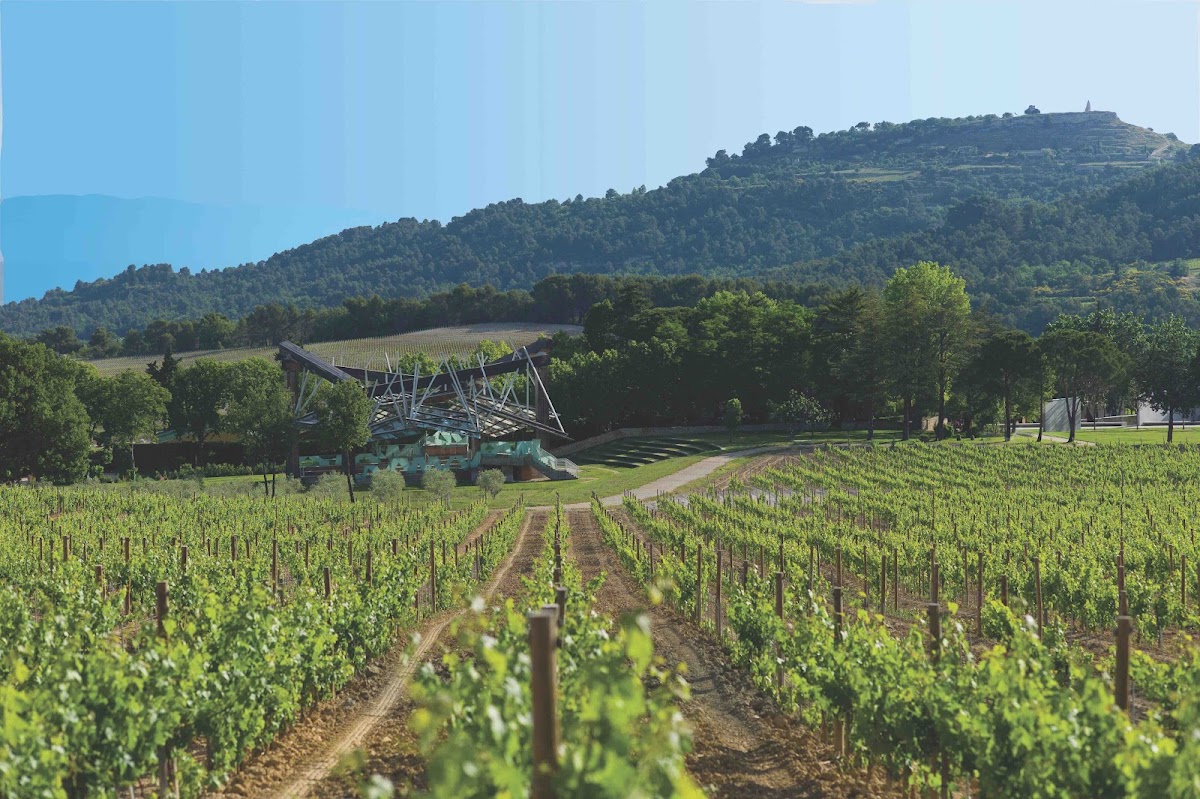
Château La Coste
2750 Route De La Cride, 13610 Le Puy-Sainte-Réparade, France

Home Lavender - Terre Ugo
1885 Rte du Puy Sainte-Réparade, 13540 Aix-en-Provence, France
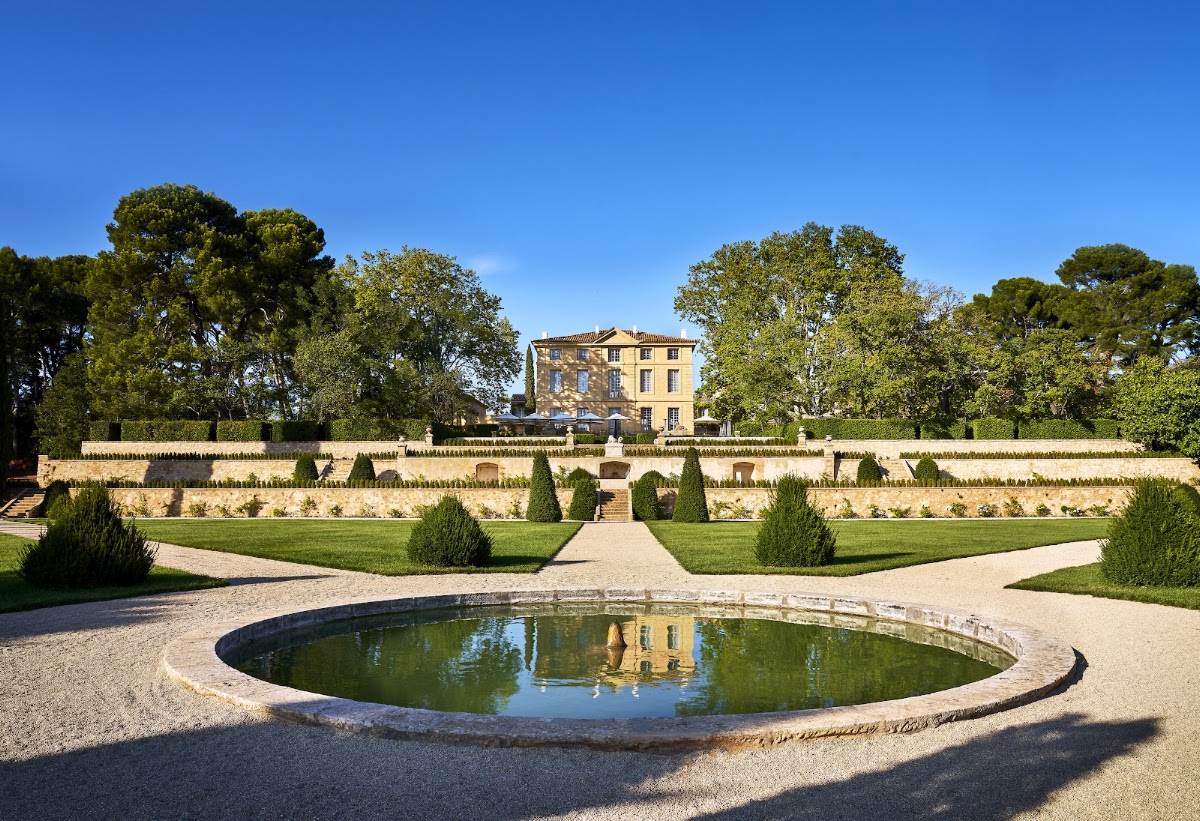
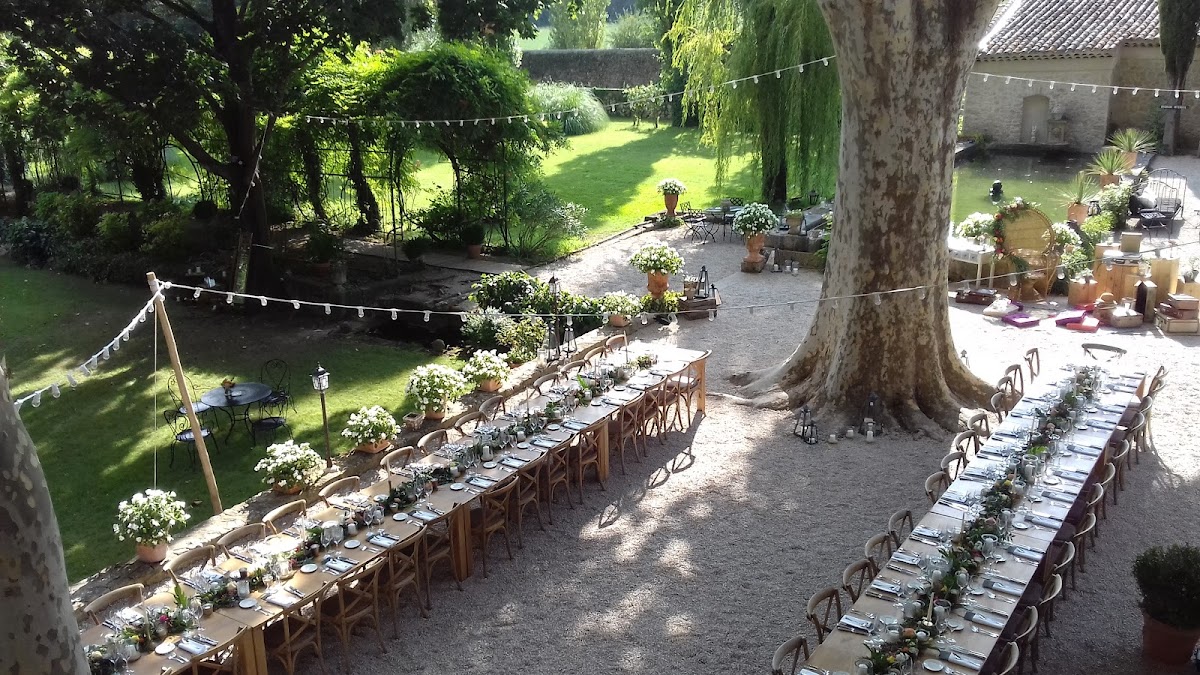
Bastide de Puget
Chem. de Bourtin, 13590 Meyreuil, France
Frequently asked questions
How much does a Château de Fonscolombe wedding cost in 2028?
Is the €20,000 food-and-beverage minimum for the whole wedding?
Do you have to book the entire hotel?
How many guests can dine and stay at Fonscolombe?
Can 150 guests have dinner indoors?
What happens if it rains?
Can you choose your own caterer and wedding planner?
What time does the party finish?
Can you have a legal ceremony at the château?
Related guides
About the creator
RoamRecs Weddings researches destination wedding venues around the world, comparing current pricing, guest capacity, accommodation, rain plans and booking requirements to help couples understand what venues actually cost and how they work.
View profile →