Chicago Cultural Center Wedding Cost (2027): Prices & Capacity
How a wedding works under the Tiffany dome: what the two packages cost, how many guests each room suits, who caters and where everyone stays in the Loop.
New to RoamRecs? Save these venues to your own shortlist and map, then ask our wedding concierge to help narrow them down. Free to start.

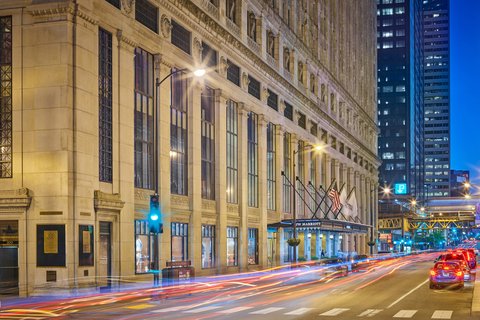
The Chicago Cultural Center fills a city block on Michigan Avenue, directly across from Millennium Park. It opened in 1897 as Chicago’s first central public library, and the city still runs it as a free public cultural center. After hours, two of its grandest rooms are let for weddings.
Most couples come for one room. Preston Bradley Hall sits under the largest Tiffany glass dome in the world, framed by mosaic arches and Tiffany chandeliers, with the park outside the windows. The other side of the building, GAR Hall and its domed Rotunda, was built as a Civil War memorial: darker, coffered and more formal, with a stained-glass dome of its own.
The wedding package is $14,550 for one of the two areas, or $18,150 for both, for six hours. You bring the caterer, the bar and the rest of the team. What you get in return is one of the most striking rooms in America, entirely indoors, with your guests’ hotels a few minutes’ walk away.
Chicago Cultural Center at a Glance
| Location | 78 E. Washington Street, the Loop, opposite Millennium Park |
| Venue type | Historic city landmark and public cultural center |
| Wedding package | $14,550 for Preston Bradley Hall or GAR Hall and Rotunda; $18,150 for both |
| Event time | Six hours, with extra hours at $1,000 each; everything ends by midnight |
| Dinner capacity | Preston Bradley Hall 330 seated; GAR Hall and Rotunda 220 |
| Ceremony capacity | Preston Bradley Hall 320; GAR Hall and Rotunda 300 |
| Sweet spot | 150 to 250 guests, using both areas |
| Rain plan | None needed: the whole wedding is indoors |
| Catering and vendors | Outside caterer of your choice, from a recommended list or approved by the venue |
| Accommodation | None on site; three hotels within a 15-minute walk |
| Typical total budget | $105,000 to $175,000 for 200 guests* |
| Getting there | Midway or O’Hare; the Blue Line runs from O’Hare to Washington, a block away |
| Best for | An architecture-led city wedding that looks the same in a downpour as in June sun |
| Main consideration | This is a room rental: the food, bar, planning and production are yours to assemble |
*RoamRecs planning estimate. Budgets and travel times throughout this guide are ours.
The RoamRecs Take
Book the Cultural Center because you want the building to be the design. Preston Bradley Hall arrives fully dressed: the dome, the glass mosaics and the arches give a wedding its look before a single flower goes in. Couples here can afford to be restrained with décor, and the room still looks finished. It won’t make the floral bill small, but it does mean the money goes on food, music and light rather than on disguising a ballroom.
The second strength is the weather. Most landmark venues in Chicago have an outdoor moment that the forecast can take away. Here the room you fall for is the room you get, in July or in January. Rain changes the walk from the hotel and the portraits in the park. It does not change the wedding.
Take both areas. The extra $3,600 buys a second room with a completely different character, and that solves the hardest part of any one-room wedding: where guests go while the ceremony chairs are cleared and dinner is laid. Ceremony under the Tiffany dome, cocktails in the Rotunda, then back to Preston Bradley Hall for dinner is the classic Cultural Center sequence, and it works.
The sweet spot is 150 to 250 guests. That fills Preston Bradley Hall properly while leaving room for a band, a dance floor and generous bars. The hall seats 330 on paper, but at that number the table plan starts making your decisions for you.
The tradeoff is that this is a public building, not a hotel. There is no banquet department, no bedrooms and no package menu. You hire the caterer, the bar, the planner and the production team and bring them into a landmark with its own rules. Couples who budget for a good planner from the start find it easy. Couples who expect the venue to run the night do not.
Best for: a formal city wedding of 150 to 250, couples who want architecture over décor, and a crowd staying in the Loop for the weekend.
Think twice if: you want everything under one package, a party that runs past midnight in the same room, or a small wedding chosen mainly on price.
Chicago Cultural Center Wedding Photos


How Much Does a Chicago Cultural Center Wedding Cost?
The Cultural Center sells weddings as one simple package: a room, six hours and the building’s own staff. There are no seasonal rates, no Saturday premium and no per-guest charge from the venue, so the price is the same for 120 guests in February as for 300 in June.
| Six-hour wedding package | |
|---|---|
| Preston Bradley Hall or GAR Hall and Rotunda | $14,550 |
| Preston Bradley Hall and GAR Hall and Rotunda | $18,150 |
| Each extra hour | $1,000, ending by midnight |
What the package includes
- Exclusive use of the room or rooms you book, for six hours
- Two off-duty police officers and building security
- Custodial staff and cleaning
- The building’s standard tables, chairs and equipment
- A dance floor
Think of it as a very well-staffed room. Security and cleaning, which many city venues add as line items, are already in the price. Ask to see the standard furniture before you hire rentals: it decides whether you are filling gaps or replacing everything.
What you bring in
The caterer, bar, planner, flowers, lighting, music, photographer and transport. Sound and lighting from the venue are extra, and a union electrician is called in only if your band or production needs more power than the room provides. Have your caterer, band and lighting team put their power needs on one list before the venue prices it.
Holding the date
The venue will hold a date for ten business days. After that it becomes a first right of refusal: if another couple asks for the date, you get a short window to sign or let it go. Signing takes 20% of the package, credited against the fee. Popular June and September Saturdays go first, so tour early and have your questions ready.
Estimated Wedding Budget
A well-produced Cultural Center wedding using both areas, with one ceremony, cocktails, dinner and dancing over six hours, lands in these ranges. They are RoamRecs planning estimates.
| Guests | Typical total budget |
|---|---|
| 150 | $90,000 to $150,000 |
| 200 | $105,000 to $175,000 |
| 250 | $125,000 to $205,000 |
Here is where the money goes at 200 guests:
| Both-area venue package | $18,150 |
| Food, bar and catering staff ($220 to $330 a guest) | $44,000 to $66,000 |
| Planner and on-site coordination | $6,500 to $12,000 |
| Flowers and design | $7,500 to $16,000 |
| Furniture and tabletop beyond the venue’s own | $3,500 to $8,000 |
| Sound, lighting and electrical labor | $3,500 to $8,000 |
| Photography and video | $8,000 to $14,000 |
| Music and entertainment | $3,500 to $10,000 |
| Guest transport | $1,500 to $3,500 |
| Ceremony, stationery and event insurance | $1,500 to $3,500 |
Add a 10% cushion on everything except the venue and you arrive at the range above.
Catering is the number that moves. The per-guest figure is meant to be all in: cocktail-hour food, dinner, dessert, a full bar, service staff, linen and the caterer’s own fees and taxes. Get two or three caterers to price exactly the same menu, bar and timeline, because a cheaper menu is often a proposal that leaves out the staff or the rentals.
Look for overlaps. If the caterer brings linen and glassware, the rentals line covers upgrades only. If the band brings its own sound system, the production line shrinks. Choosing one area instead of two saves $3,600 on the rental, but a single room that has to be reset mid-evening can give some of that back in labor.
The ranges leave out hotel rooms, flights, attire and beauty, a welcome party, a farewell brunch and any after-party.
Capacity and Event Spaces
The two wedding areas are on opposite sides of the building, and they feel like two different venues.
| Space | Seated dinner | Ceremony | Cocktails |
|---|---|---|---|
| Preston Bradley Hall | 330 | 320 | 700 |
| GAR Hall and Rotunda | 220 | 300 | 550 |
Preston Bradley Hall: the Tiffany dome
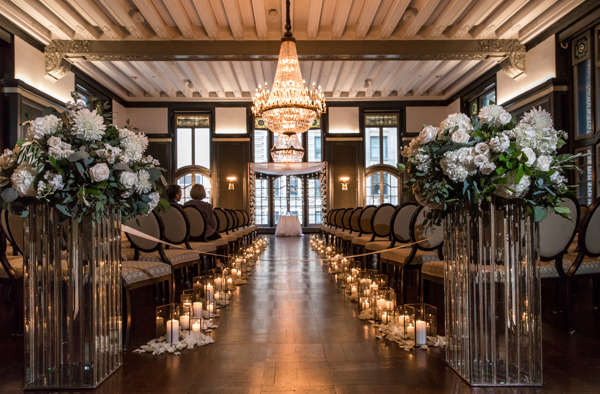
This is the room on the cover of every Cultural Center wedding album. The dome floats over the center of the hall, the walls are lined with glass mosaic, and the tall windows look across Michigan Avenue to Millennium Park. It is the obvious place for dinner and an extraordinary place for vows.
GAR Hall and Rotunda: the other dome
GAR stands for Grand Army of the Republic, and the hall was built to honor Civil War veterans. It is moodier than Preston Bradley Hall: dark wood, a coffered ceiling and a stained-glass dome over the Rotunda, which acts as its foyer. On its own it suits a dinner of up to 220. Paired with Preston Bradley Hall it is the natural place for cocktails, and a striking room for a ceremony.
How we would use the building
Ceremony under the Tiffany dome, cocktails in the Rotunda while the hall is turned for dinner, then back to Preston Bradley Hall for dinner and dancing. Guests see the best room twice, and the second time it is lit and laid for dinner, which makes a good reveal.
If you would rather not reset the hall, flip it: vows in GAR Hall, cocktails in the Rotunda, and dinner already set under the dome. It is the simpler night for the caterer and still gives guests both domes.
Above 220 guests, Preston Bradley Hall is your dinner room. Above 300, it is your ceremony room too, which makes the reset the critical part of the night. Ask the venue and your caterer for a floor plan with the band, dance floor and bars drawn in at your real guest count before you sign.
Photographs
The building is the portrait studio. The Carrara marble staircase from the Washington Street entrance, the mosaic arches and the Rotunda all photograph beautifully, and Millennium Park and the Bean are across the street for a quick outdoor set at golden hour. The city requires a permit for formal photography inside the building, so ask how your wedding booking covers portraits before and during the event.
What Is the Rain Plan at the Chicago Cultural Center?
There isn’t one, because there doesn’t need to be. Ceremony, cocktails, dinner and dancing all happen indoors, in the rooms you chose. No tent, no backup room, no forecast-watching the week before.
Weather still touches the edges of the day. Plan the arrival from the hotel so nobody walks two blocks in formalwear in a storm: a short shuttle loop or cars at the door does it. Keep portraits indoors if the sky turns, and leave a coat check near the entrance in the colder months.
Millennium Park is across the street, not part of the rental. A ceremony or reception in the park is a separate booking with its own permits, so treat the park as a backdrop for photographs rather than a second venue.
Accommodation and Where Guests Should Stay
There are no bedrooms at the Cultural Center. That is less of a drawback than it sounds, because some of Chicago’s best hotels are a few minutes’ walk away. Keep most guests in one or two of them and the whole weekend becomes walkable.
| Hotel | Why stay here | Walk to the venue |
|---|---|---|
| Chicago Athletic Association, 12 S. Michigan Avenue | Our first choice for the couple and the core group. A historic hotel with real character, great bars and the park on its doorstep | 5 to 10 minutes |
| Silversmith Hotel Chicago Central Loop, 10 S. Wabash Avenue | The practical second block, on the same few streets | 5 to 10 minutes |
| Fairmont Chicago, Millennium Park, 200 N. Columbus Drive | The big full-service option for a large block, a welcome dinner or the brunch | 10 to 15 minutes |
Size the block from traveling households, not the guest count: 120 guests from out of town, two to a room, is around 60 rooms a night. Ask each hotel for its release date, whether you pay for unsold rooms, and a suite with early check-in for hair and makeup. The wedding party’s morning should not depend on a 3 p.m. check-in.
Catering, Vendors and the Party
Choose your caterer
The Cultural Center has no in-house kitchen team. Its recommended list covers Ashyana Banquets & Events, Blue Plate Catering, Catering by Michaels, Entertaining Company, Food For Thought, Hearty Boys, Jewell Events Catering, Limelight, J & L Catering and Paramount Events. You can also bring a caterer from outside the list, provided it is licensed, insured and approved by the venue.
This is the venue’s quiet advantage. The money a hotel would put into its fixed banquet menu goes to the caterer you actually want. Pick one that has worked in the building before: they will know the loading dock, the elevators and how long the dinner reset really takes. The caterer usually handles the bar and its license as well, so settle who serves the alcohol at the same time.
Hire a planner
With an outside caterer, two rooms, a reset and a hotel block, this wedding needs someone running it. The venue’s events team looks after the building. Your planner owns the schedule, the suppliers, the reset and the family.
Sound and décor
The halls are tall and hard-surfaced, so plan the sound for clarity rather than volume. Test the ceremony microphones and the speeches position in the room itself. For décor, submit the plan early: candles, hanging installations, confetti and anything attached to the building all need the venue’s approval, and the room rarely needs much help anyway.
Midnight is the finish
Everything ends at midnight. Time the last dance, last call and the send-off around it, and book the vendors’ breakdown separately. For guests who want to keep going, plan the after-party at your hotel or a nearby bar, a short walk away.
Ceremony Options
Both areas host ceremonies. Preston Bradley Hall seats 320 under the dome and is the setting most couples picture. GAR Hall seats 300 and makes a quieter, more formal choice that keeps the dinner room ready.
For a legal wedding in Chicago, get a Cook County marriage license. It costs $60, you apply together with ID, and it takes effect the day after it is issued and stays valid for 60 days, so pick it up a few days before the wedding rather than on the morning. Your officiant returns the signed certificate to the county within ten days.
A religious ceremony works here too. Talk to the venue early if it involves candles or other flame.
Getting There and Transportation
Chicago is one of the easiest cities in the country to fly into, and the Loop is well served by trains from both airports.
| From | Best route | Travel time |
|---|---|---|
| O’Hare (ORD) | CTA Blue Line to Washington, a block from the venue | About 40 to 45 minutes |
| Midway (MDW) | CTA Orange Line into the Loop | About 20 to 25 minutes |
| O’Hare by car | Taxi, rideshare or car service | 45 to 90 minutes |
| Midway by car | Taxi, rideshare or car service | 30 to 60 minutes |
Midway is closer, but O’Hare has more flights, and the Blue Line runs around the clock and drops guests a block from the venue. Washington/Wabash and Lake on the Red Line are also a short walk. On the wedding website, give guests the entrance for your event, not just the building’s address.
Do wedding guests need a car?
No. Guests staying in the Loop can walk to everything: the wedding, the welcome drinks and the brunch. A car is more trouble than it is worth downtown.
Spend the transport budget on airport pickups for groups, cars for older guests and anyone with mobility needs, and a shuttle loop for bad weather. Agree the drop-off point with the venue and your transport company in advance, because several buses loading at one curb on Michigan Avenue is how a send-off runs late. Guests who do drive can use Grant Park North at 25 N. Michigan Avenue or the Millennium garages off Columbus Drive.
The building has ramps and elevators. Ask the venue to walk you through the step-free route from the door to each room and the restrooms, and share it with any guest who needs it.
Best Time of Year for a Chicago Cultural Center Wedding
Late May, June and September are our picks: warm enough for portraits in the park and a walk to the after-party, without July’s heat.
| Month | Average high | Average low | Rainfall |
|---|---|---|---|
| May | 71°F | 51°F | 4.5 in |
| June | 80°F | 61°F | 4.1 in |
| July | 85°F | 66°F | 3.7 in |
| September | 76°F | 57°F | 3.2 in |
| October | 63°F | 45°F | 3.4 in |
National Weather Service averages for O’Hare.
June is the classic choice: long evenings and the city at its liveliest. September has the best light, softer heat and the full Chicago social calendar. July brings heat and thunderstorms, which matter only for portraits and arrivals.
Winter is the Cultural Center’s secret. The rooms look the same in January as in June, the dome glows against a dark sky, and the city does the holidays well. The package costs the same year-round, so book a winter date for the atmosphere and the easier hotel rates, not a venue discount.
Check the city calendar before you commit. Lollapalooza takes over Grant Park in summer and the Chicago Marathon closes much of downtown in October; both fill hotels and snarl traffic.
The Weekend, and What to Do in the Loop
This is a city wedding, and the best weekends lean into that.
Friday. Welcome drinks at the hotel or a restaurant nearby. Keep it close so guests can walk back.
Saturday. Getting ready at the hotel, portraits in the building and the park, then the ceremony, cocktails and dinner at the Cultural Center, and an after-party back at the hotel after midnight.
Sunday. A late brunch at the hotel, and goodbyes.
For guests with an extra day
- An architecture river cruise. The best introduction to the city, leaving from the river a few blocks north.
- Millennium Park and the Bean. Across the street, and best early in the morning before the crowds.
- The Art Institute of Chicago. A few minutes south on Michigan Avenue.
- The Chicago Riverwalk. Cafés and bars along the water, good on a warm evening.
- The Cultural Center itself. It is free and open to the public by day, so guests can come back and see the building in daylight.
Best For / Things to Consider
Best for
- Weddings of 150 to 250 guests
- Couples who want the architecture to do the decorating
- An all-indoor wedding with no weather risk
- Couples with their own caterer or planner in mind
- A walkable city weekend with guests in Loop hotels
- Winter weddings
Things to consider
- No bedrooms on site; guests stay in nearby hotels
- Catering, bar, planning and production are all brought in
- Everything ends at midnight
- Sound and lighting from the venue cost extra
- Formal photography in the building needs a city permit
- It is a public building, so privacy outside your rooms is agreed, not automatic
Questions to Ask Before Booking
These are the questions a good planner would put to the venue before you sign. The answers shape the contract more than the price does.
- Which calendar year do the package prices cover, and is any tax or fee added to them?
- What is the payment schedule after the 20% at signing, and what are the cancellation and postponement terms?
- Is there a damage deposit?
- Can you show us a floor plan with a band, dance floor and bars at our guest count?
- How long does the ceremony-to-dinner reset take, and who does it?
- How many guests fit in the Rotunda alone for cocktails?
- When can our vendors get in to set up, and when must they be out?
- What standard furniture and equipment is included, and can we see it?
- Is there kitchen or prep space for our caterer?
- What are the bar and alcohol requirements, and what insurance do our vendors need?
- Is there a food and beverage minimum or any kitchen fee?
- How does the photography permit work for our wedding, including portraits before the event?
- Which entrances and corridors are ours, and will anything else be happening in the building?
- What is the step-free route for guests, and where do cars and buses drop off?
- What are the rules on candles, flames, confetti and hanging décor?
Similar Wedding Venues to Compare
The Rookery. Choose it if you want another architectural landmark at a smaller scale. Its Light Court seats 170 with a band and dance floor, or 200 with a DJ, so it suits a wedding that would rattle around under the Tiffany dome.
Chicago Athletic Association. Choose it if you want the hotel and the wedding in one place. The White City Ballroom seats 230, the catering is in-house and guests take the elevator to bed. You trade the Tiffany dome for convenience.
Museum of Contemporary Art Chicago. Choose it if you want contemporary art and an outdoor option. It seats 300 indoors or 200 outside, with ceremonies of up to 200, so it suits a smaller ceremony than the Cultural Center.
Still Comparing Chicago Wedding Venues?
The RoamRecs Chicago wedding venue collection maps landmarks, museums, hotels and lofts across the city, with price, capacity and catering for each. Save the Cultural Center, add two or three alternatives and compare them side by side.
The question to carry through your shortlist: how much does dinner under the Tiffany dome matter to you? If it is the wedding you have been picturing, assembling your own team around it is a fair price.
Save the “Ultimate Chicago Wedding Venues Guide” collection
Add every place in this collection to your RoamRecs in one tap.
More venues near Chicago Cultural Center
21 venues in Chicago
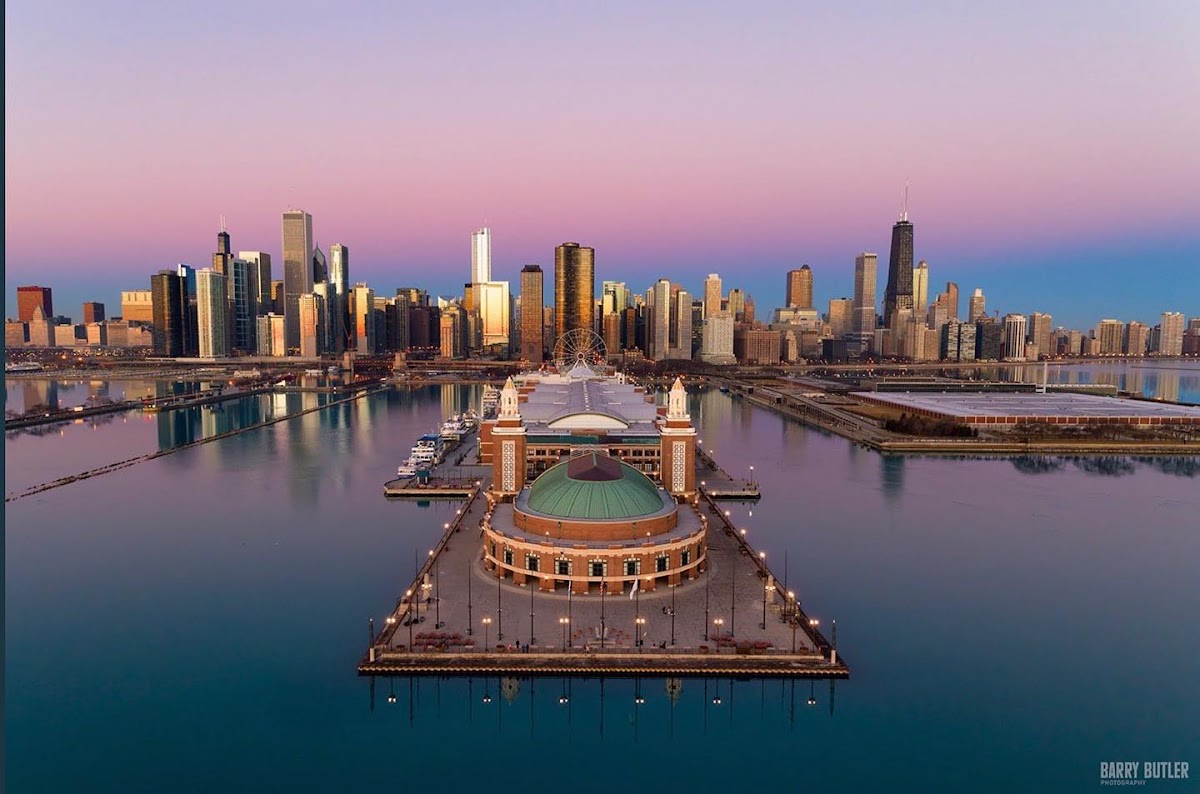
Chicago Athletic Association - The Unbound Collection by Hyatt
12 S Michigan Ave, Chicago, IL 60603, USA
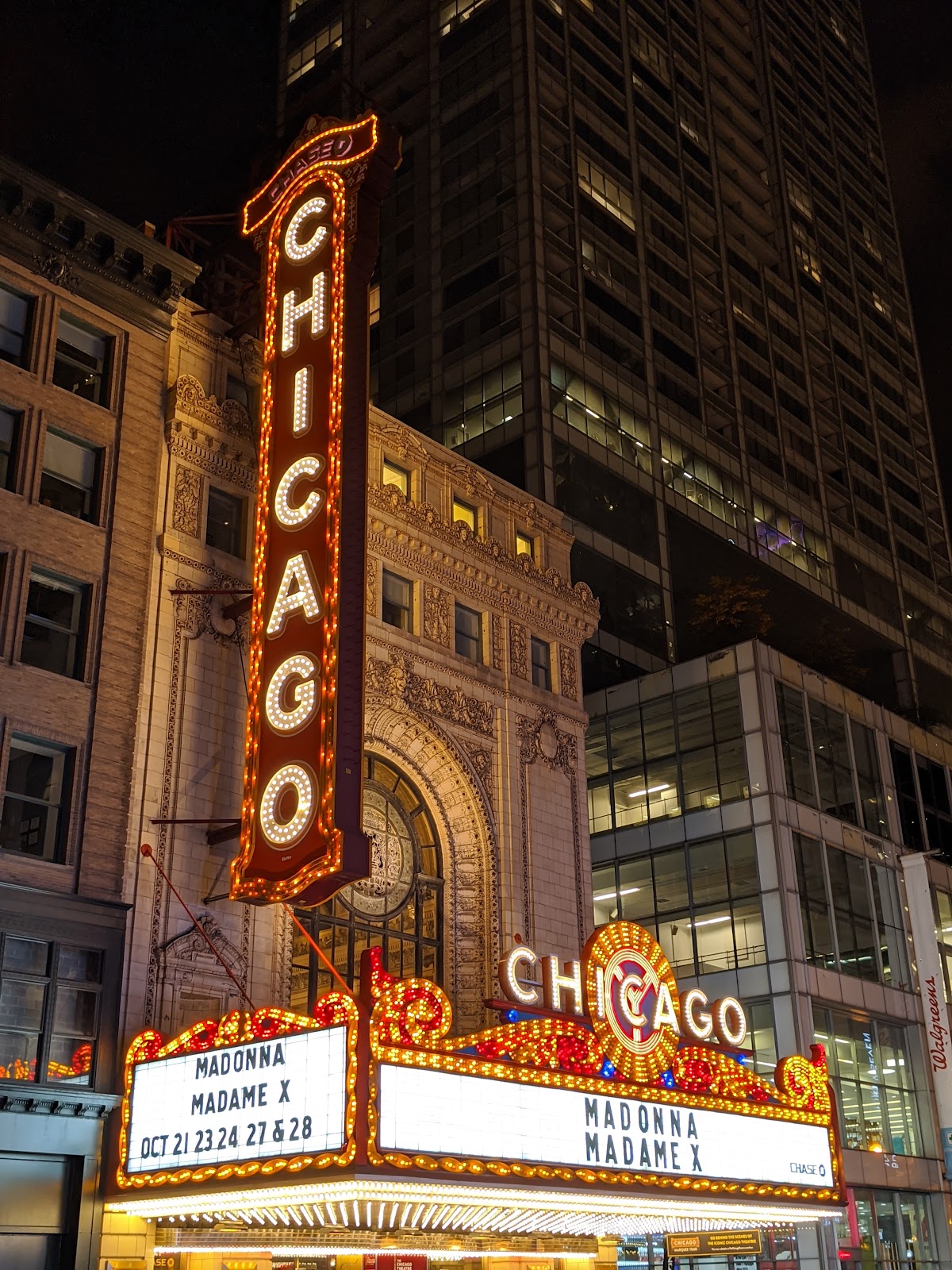
The Chicago Theatre
175 N State St, Chicago, IL 60601, USA
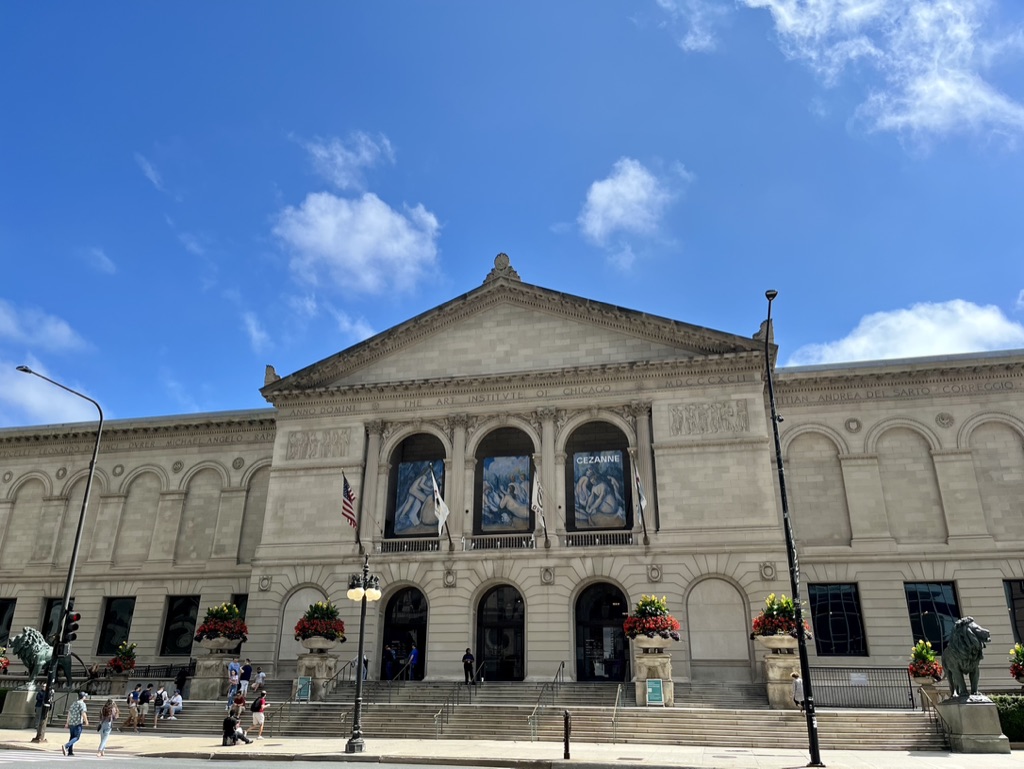
The Art Institute of Chicago
111 S Michigan Ave, Chicago, IL 60603, USA
Email me this guide
The guide and more venues nearby, in your inbox. No account needed.
Frequently asked questions
How much does a Chicago Cultural Center wedding cost?
How many guests can the Chicago Cultural Center hold?
Where is the Tiffany dome?
What happens if it rains?
Can we bring our own caterer?
Can guests stay at the Chicago Cultural Center?
What time does the wedding have to end?
Should we book one room or both?
Which airport should guests use?
Do wedding guests need a car?
Can we take wedding photos inside the building?
What is the best month for a Chicago Cultural Center wedding?
Related guides
Chicago Athletic Association Wedding Guide (2027): Cost, Capacity & Everything Else
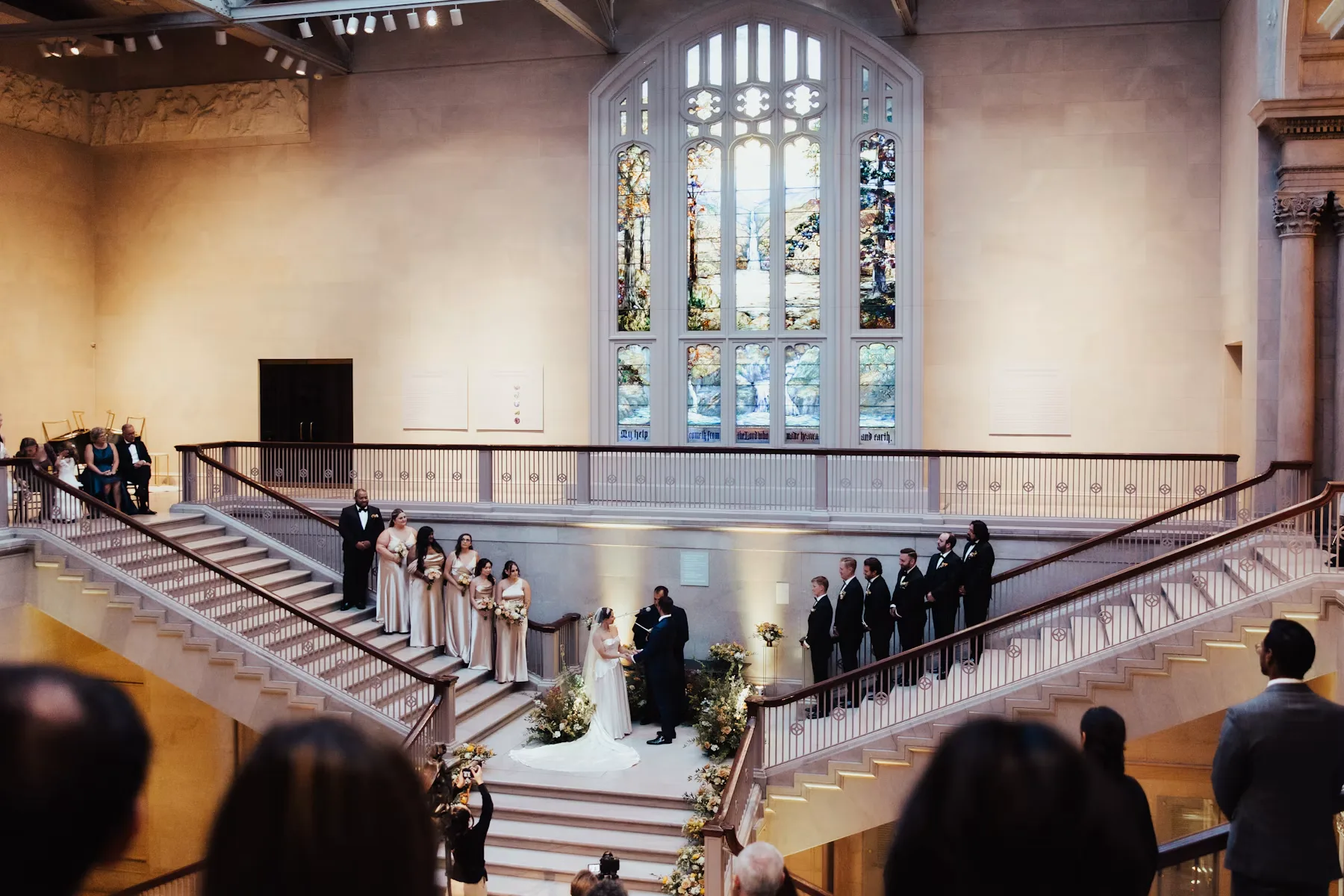
Art Institute of Chicago Wedding Guide (2027): Cost, Capacity & Insider Tips
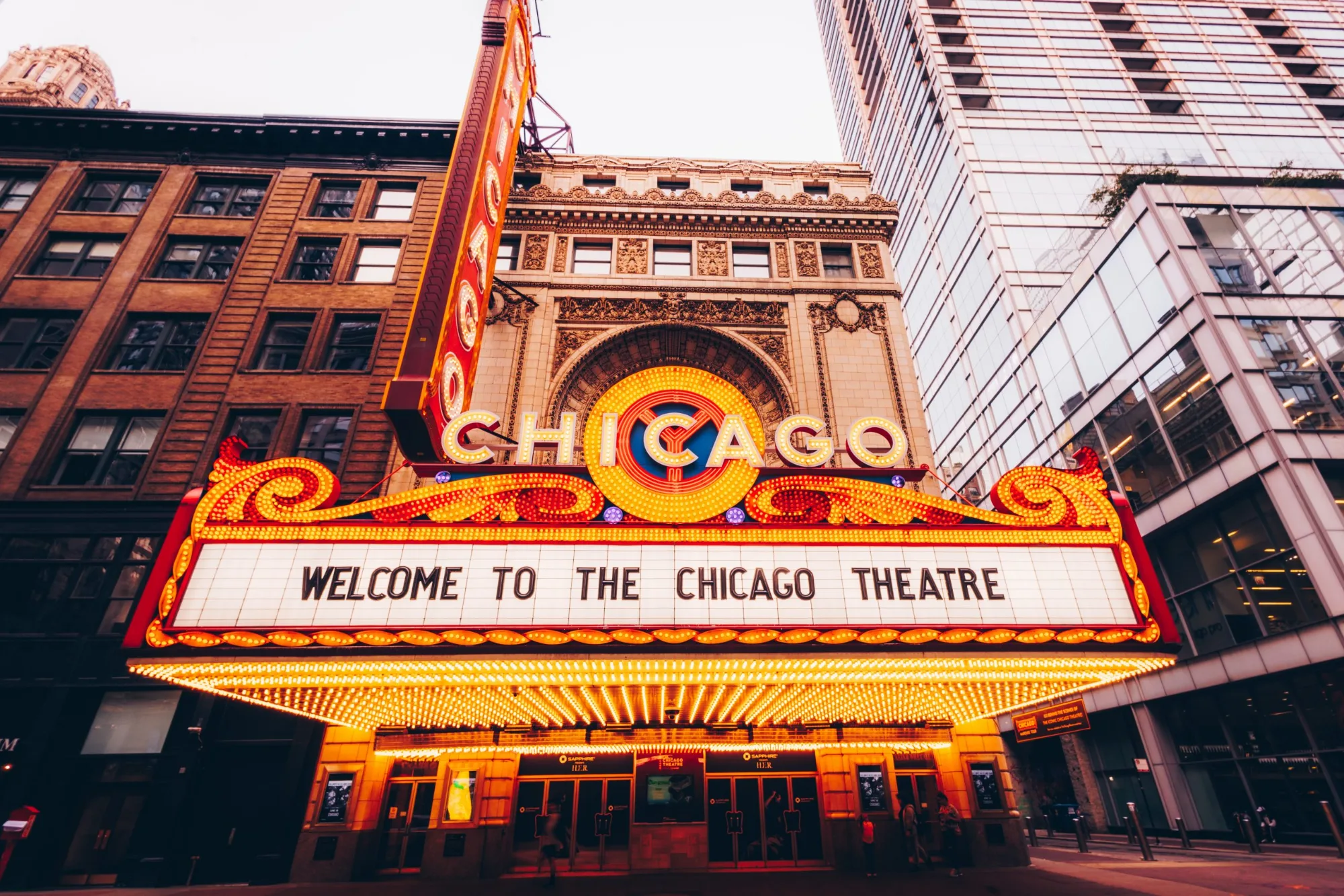
The Chicago Theatre Wedding Guide (2027): Cost, Capacity & Insider Tips
Chicago History Museum Wedding Guide (2028): Cost, Capacity & Insider Tips
Field Museum Wedding Guide (2027): Cost, Capacity & Insider Tips
Café Brauer Wedding Guide (2026): Cost, Capacity & Everything to Know
More in Chicago
About the creator
RoamRecs Weddings researches destination wedding venues around the world, comparing current pricing, guest capacity, accommodation, rain plans and booking requirements to help couples understand what venues actually cost and how they work.
View profile →