The Beginner's Guide to the Uffizi Gallery: 10 Masterpieces You Shouldn't Miss
Planning a visit to Florence's Uffizi Gallery? Discover the must-see masterpieces beyond The Birth of Venus, plus tips for visiting and a curated Florence map you can save before your trip.

Why Visit the Uffizi Gallery?
If Florence is the birthplace of the Renaissance, the Uffizi Gallery is where that story comes to life.
Originally built in the 1500s as offices for the powerful Medici family, the Uffizi is now home to one of the greatest collections of Renaissance art in the world. Inside, you'll find Botticelli's Birth of Venus, Leonardo da Vinci's early paintings, Michelangelo's only completed panel painting, masterpieces by Raphael, Caravaggio, Titian, and countless works that changed the course of Western art.
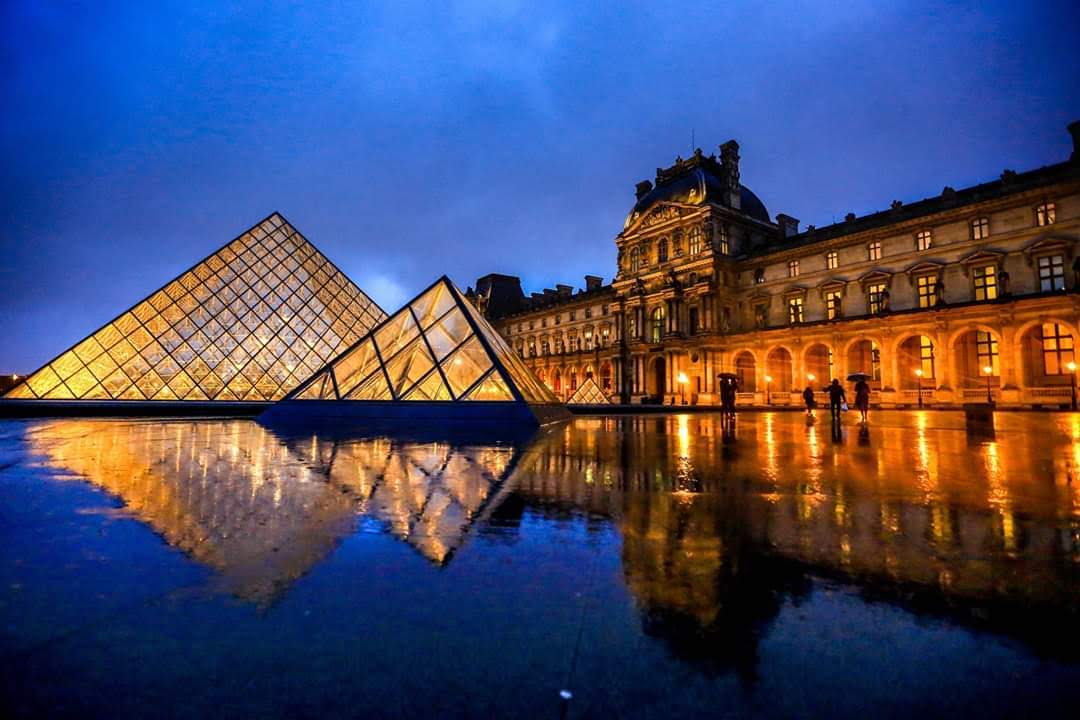
Unlike larger museums like the Louvre, the Uffizi feels focused. Nearly every room builds on the one before it, making it the perfect place to understand how Renaissance artists transformed painting through perspective, anatomy, light, and storytelling.
Whether you're an art lover or simply visiting Florence for the first time, these are the masterpieces I'd make time for.
I've also pinned the museum, nearby cafés, restaurants, viewpoints, and landmarks into one Florence collection on RoamRecs so you can plan your entire day in one place.
The Birth of Venus

Why it’s worth seeing
You’ve probably seen The Birth of Venus reproduced on posters, postcards, tote bags, and phone cases—but seeing it in person is completely different.
The painting is enormous, stretching more than nine feet across, with Venus appearing almost life-size as she arrives on the shore standing on a giant seashell.
Despite the title, the painting doesn’t actually show the moment Venus is born. She has already emerged from the sea and is being blown toward the island of Cyprus by Zephyrus, the god of the west wind. On the shore, one of the Hours waits to cover her with a flower-patterned cloak.
Venus’s body is also intentionally unrealistic. Her neck is unusually long, her shoulders sit at an impossible angle, and her pose would be difficult for a real person to hold.
But Botticelli wasn’t trying to paint a perfectly realistic woman. He was creating an ideal of divine beauty—something graceful, elegant, and almost otherworldly.
Her face has often been associated with Simonetta Vespucci, a famous beauty admired by members of the Medici circle, although there is no definitive proof that she served as Botticelli’s model.
Fun facts
- Botticelli painted The Birth of Venus around 1484–1486.
- The painting is more than nine feet wide.
- Venus is arriving on the island of Cyprus, not being born in the scene.
- It was painted on canvas, which was less common than wooden panels for large Florentine paintings at the time.
- The orange trees in the background may reference the Medici family.
- Venus’s proportions are deliberately elongated and anatomically unrealistic.
Don't miss
Primavera

Why it's worth seeing
If The Birth of Venus made Botticelli famous, Primavera proved he was unlike any other artist of his time.
At first glance, it looks like a beautiful garden party. But look closer, and you'll discover one of the most mysterious paintings of the Renaissance.
Mercury stands at the far left, Cupid hovers overhead, Venus watches from the center, the Three Graces dance together, while Zephyrus chases the nymph Chloris before she transforms into Flora, the goddess of spring.
No one knows exactly what Botticelli intended the painting to mean, and that's part of what makes it so fascinating. Some historians believe it's an allegory of spring, others see a celebration of marriage or Neoplatonic philosophy, while many simply view it as a celebration of beauty and love.
The painting is also incredibly detailed. Botanists have identified hundreds of individual flowers and plants throughout the scene, many painted with remarkable scientific accuracy.
Fun facts
- Painted around 1480.
- Contains more than 500 identifiable plant species.
- Believed to have been commissioned by the Medici family.
- One of the most debated paintings in art history.
Don't miss
Annunciation

Why it's worth seeing
Long before the Mona Lisa and The Last Supper, there was this painting.
Created when Leonardo da Vinci was still in his early twenties, Annunciation already shows the curiosity that would define his career.
The angel Gabriel kneels before Mary to announce that she will give birth to Jesus, but it's Leonardo's observation of nature that steals the show. Every flower, tree, shadow, and fold of fabric feels carefully studied from life.
You can almost watch Leonardo teaching himself how light works.
Fun facts
- One of Leonardo's earliest major paintings.
- Painted around 1472–1475.
- Originally attributed to another artist before scholars recognized Leonardo's hand.
Don't miss
Doni Tondo

Why it's worth seeing
Most people know Michelangelo for sculpting David or painting the Sistine Chapel ceiling.
Few realize he also painted this masterpiece.
The Doni Tondo is Michelangelo's only finished panel painting and already feels sculptural. The figures are muscular, dynamic, and almost seem carved rather than painted.
Even before stepping into the Sistine Chapel years later, Michelangelo was redefining what the human body could look like in art.
Fun facts
- Michelangelo's only completed panel painting.
- Painted around 1506.
- Created for a wealthy Florentine family to celebrate the birth of their daughter.
Don't miss
Medusa

Why it's worth seeing
This might be the most dramatic painting in the museum.
Rather than painting on canvas, Caravaggio painted directly onto a ceremonial shield, capturing the exact moment Medusa realizes she's been beheaded.
Her mouth is frozen mid-scream.
The snakes writhe wildly around her head.
And because Caravaggio places the face directly toward the viewer, it almost feels like she's alive.
Fun facts
- Painted around 1597.
- Painted on a convex wooden shield.
- Believed to be a self-portrait of Caravaggio.
Don't miss
Walk to the side and notice how the curved surface changes the illusion of the painting.
Venus of Urbino

Why it's worth seeing
Titian's Venus of Urbino became one of the most influential paintings in Western art.
Unlike earlier idealized depictions of Venus, she looks directly at the viewer with remarkable confidence.
Her relaxed pose would inspire generations of artists, including Édouard Manet's Olympia centuries later.
Fun facts
- Painted in 1538.
- Commissioned by the Duke of Urbino.
- Inspired countless reclining nude paintings that followed.
Don't miss
Look beyond Venus herself—the maidservants in the background quietly add another layer to the story unfolding inside the room.
Bacchus

Why it's worth seeing
Caravaggio had an incredible ability to make mythology feel real.
His Bacchus doesn't look like an untouchable Roman god.
He looks like someone sitting across the table offering you a glass of wine.
The realism, imperfections, and direct eye contact make the painting feel surprisingly modern for something created over 400 years ago.
Fun facts
- Painted around 1598.
- Thought to use Caravaggio's assistant as the model.
- Famous for its incredibly realistic still-life details.
Don't miss
Look closely at the fruit basket—you'll notice bruised fruit and aging leaves, subtle reminders that beauty doesn't last forever.
Ognissanti Madonna

Why it's worth seeing
Painted by Giotto around 1310, the Ognissanti Madonna marks one of the biggest turning points in Western art.
Compared to earlier medieval icons, the figures suddenly feel heavier, more emotional, and almost three-dimensional.
It may not grab your attention as quickly as Botticelli or Caravaggio, but without Giotto, the Renaissance might never have happened.
Fun facts
- Painted around 1310.
- One of Giotto's greatest surviving works.
- Helped pave the way for Renaissance naturalism.
Don't miss
Compare the faces and body language to earlier medieval paintings—you'll immediately notice how much more human they feel.
Planning Your Uffizi Visit
The Uffizi is much more manageable than the Louvre, but it's still one of Italy's busiest museums.
I'd recommend setting aside 2–3 hours for your visit. That's enough time to see the gallery's most famous masterpieces while still wandering through a few quieter rooms.
If it's your first visit, don't rush straight to The Birth of Venus. Spend time with Primavera, Leonardo's Annunciation, Michelangelo's Doni Tondo, and Caravaggio's Medusa—together, they tell the story of how Renaissance art evolved over nearly three centuries.
Book tickets in advance, arrive early if possible, and wear comfortable shoes. The museum follows a mostly chronological layout, making it easy to understand how one generation of artists inspired the next.
Planning a Day Around the Uffizi
One of the best things about the Uffizi is that it's right in the heart of Florence, making it easy to explore the city on foot before or after your visit.
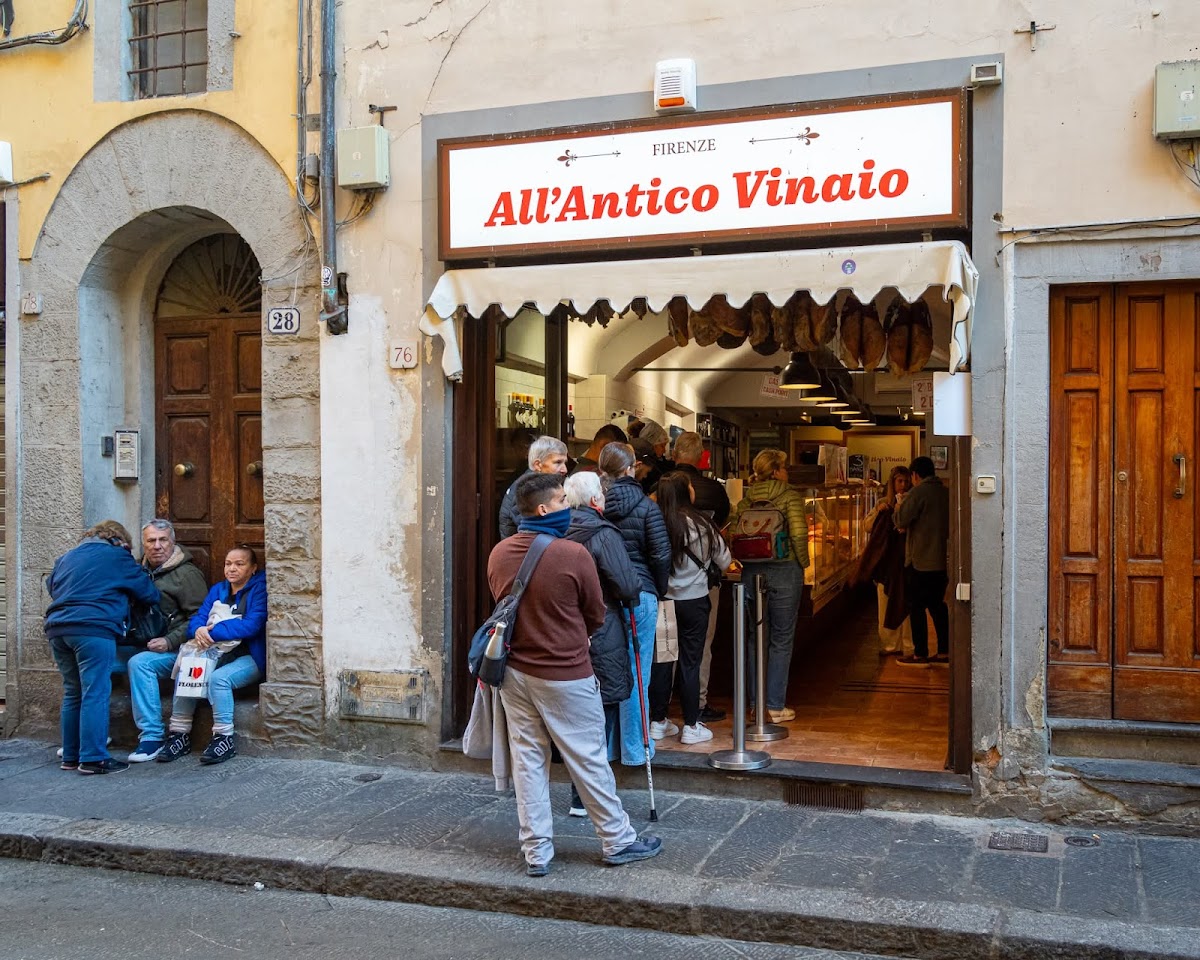
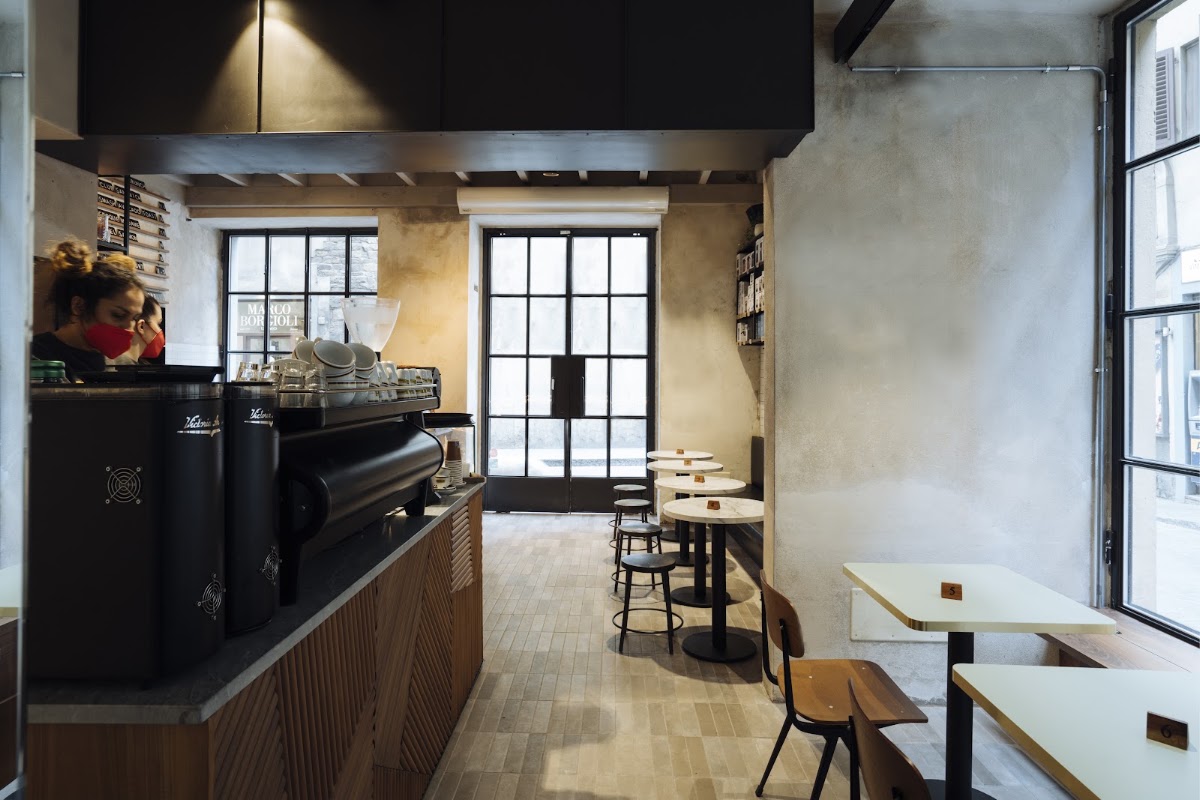
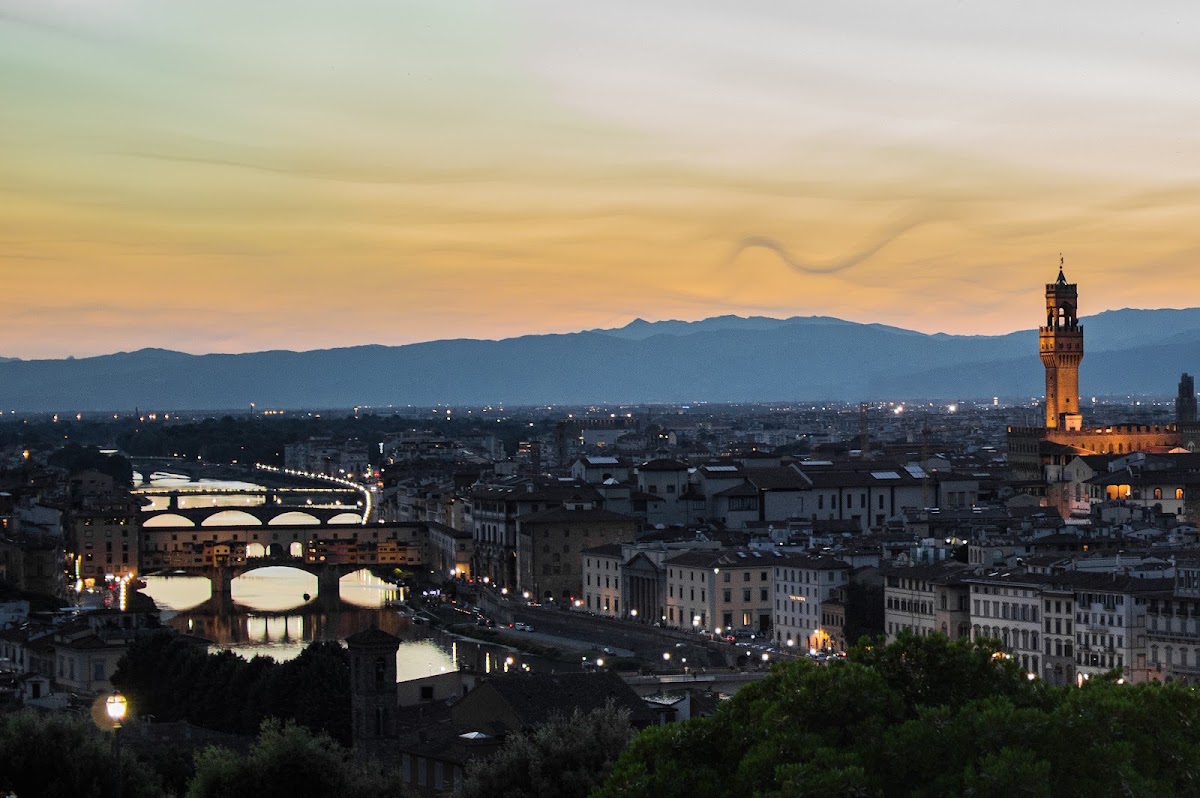
After leaving the museum, cross the Ponte Vecchio, wander through Piazza della Signoria, grab a sandwich from All'Antico Vinaio, stop for coffee at Ditta Artigianale, or end the day watching sunset from Piazzale Michelangelo.
I've pinned all of these places—along with museums, cafés, restaurants, viewpoints, and landmarks—into one Florence collection on RoamRecs so you can save the entire itinerary before your trip.
Places to check out
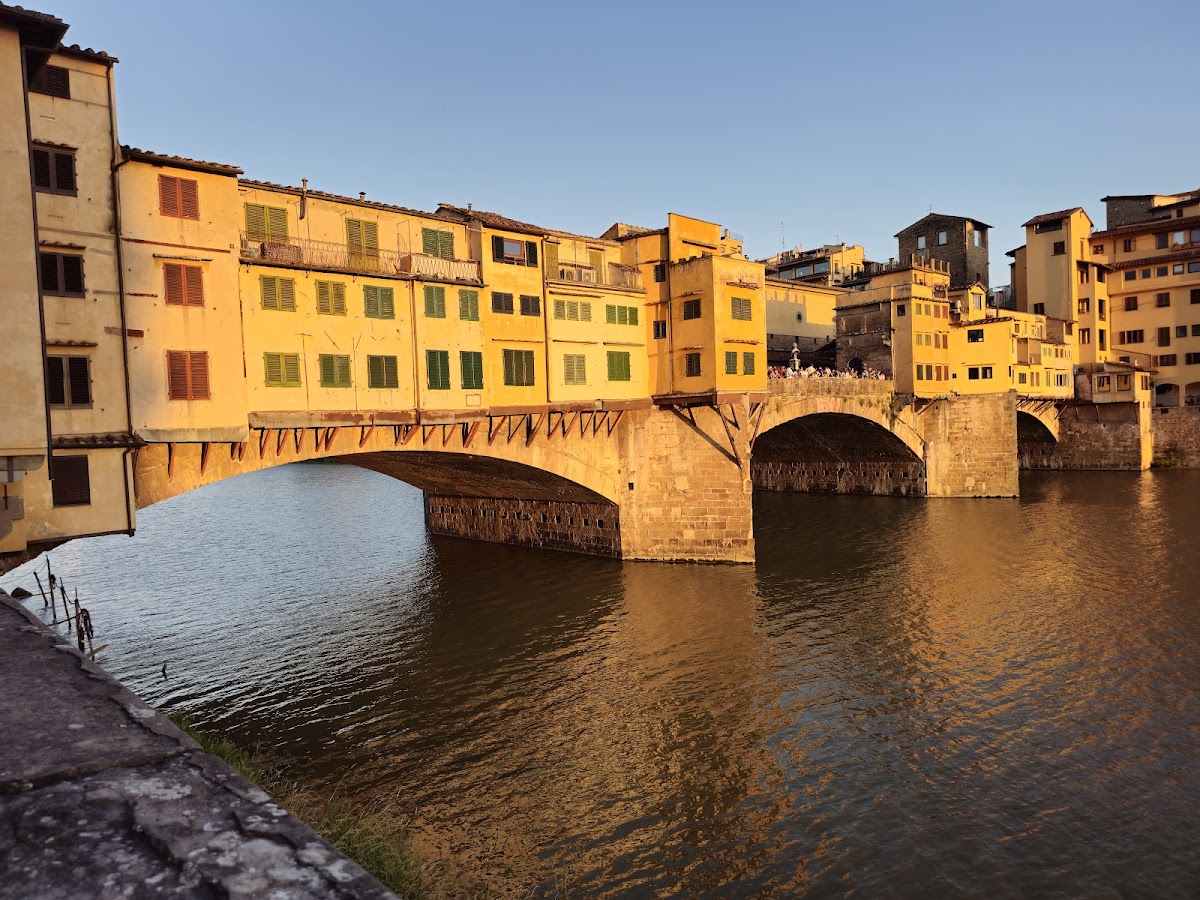
Ponte Vecchio
Ponte Vecchio, 50125 Firenze FI, Italy
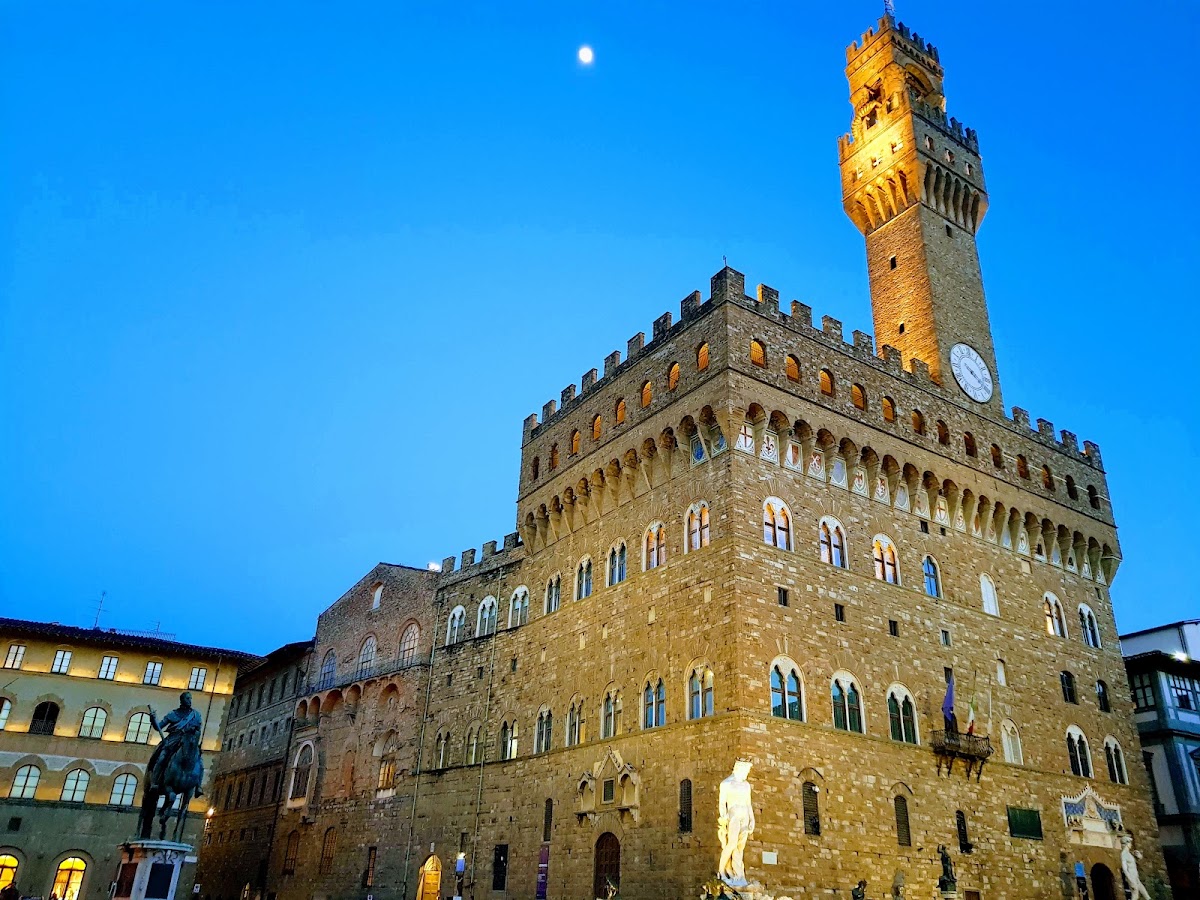
Piazza della Signoria
P.za della Signoria, 50122 Firenze FI, Italy
Piazzale Michelangelo
Piazzale Michelangelo, 50125 Firenze FI, Italy
Save this guide
Save this guide for your next visit to the Uffizi Gallery
Frequently asked questions
What are the must-see paintings at the Uffizi Gallery?
How long should you spend at the Uffizi Gallery?
Should I buy Uffizi tickets in advance?
What's the difference between the Uffizi and the Accademia?
Can you visit the Uffizi and Accademia in one day?
What should I do after visiting the Uffizi?
Related guides
About the creator